 Religious Tourism
 According to Catholic traditions, Holy Week gastronomy refers to the culinary customs and foods considered 'permitted' during this sacred period, which spans from Palm Sunday to Easter Sunday, from March 29 to April 05.
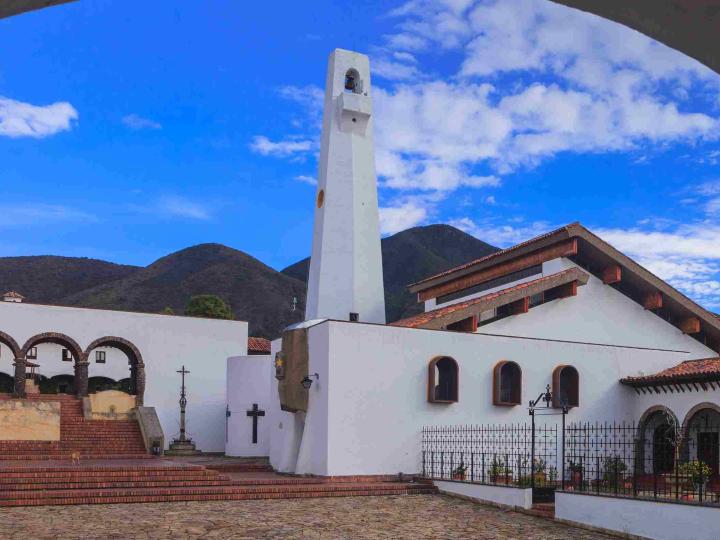
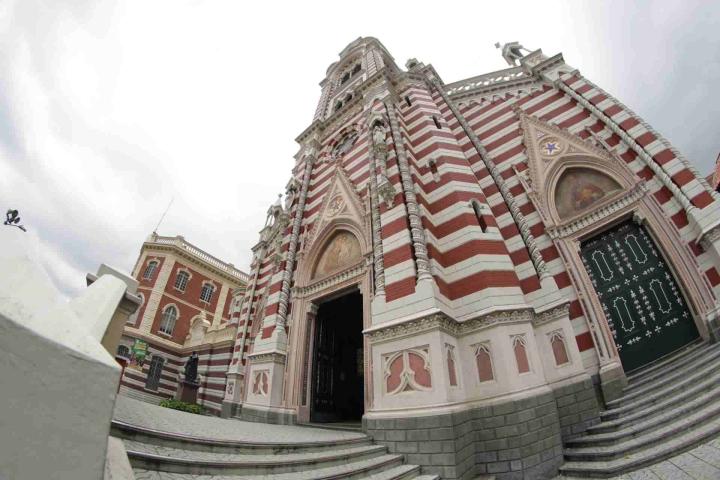
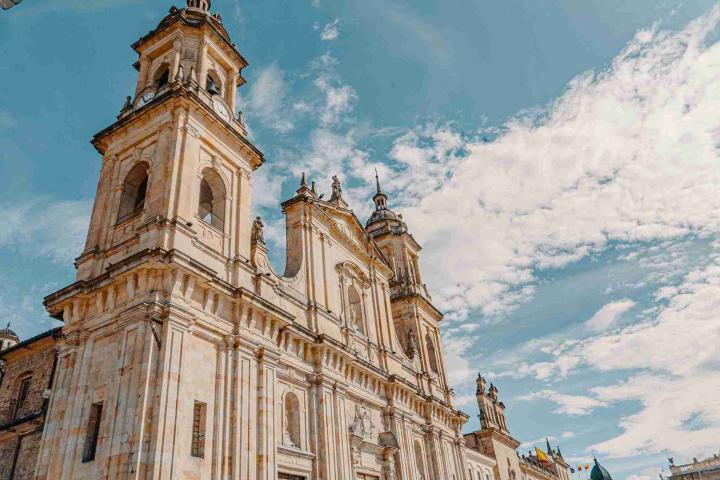
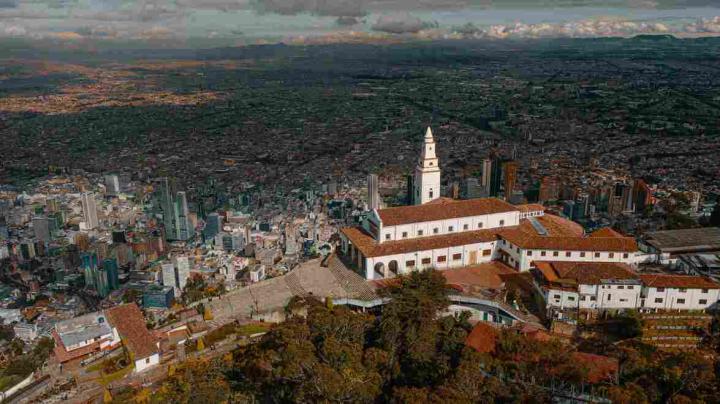
Bogotá and Cundinamarca, regions rich in Catholic traditions, joined forces to promote religious and gastronomic tourism during the upcoming Holy Week. This collaborative effort invites visitors to enjoy exquisite local and regional gastronomy while exploring significant temples in the city and the department and participating in various Eucharistic activities associated with this religious celebration.
The official launch of Holy Week 2026 under the religious campaign Caminando hacia la Pascua con María (Walking towards Easter with Mary) will take place on March 20 at 03:00 p.m. at the Primatial Cathedral of Colombia in the presence of Bogotá’s First Lady, Carolina Deik Acosta Madiedo, the Director of the District Tourism Institute (IDT), Ángela Garzón; and other representatives from the Government of Cundinamarca, the Archdiocese of Bogotá, and Los Caballeros de la Virgen (Heralds of the Gospel).
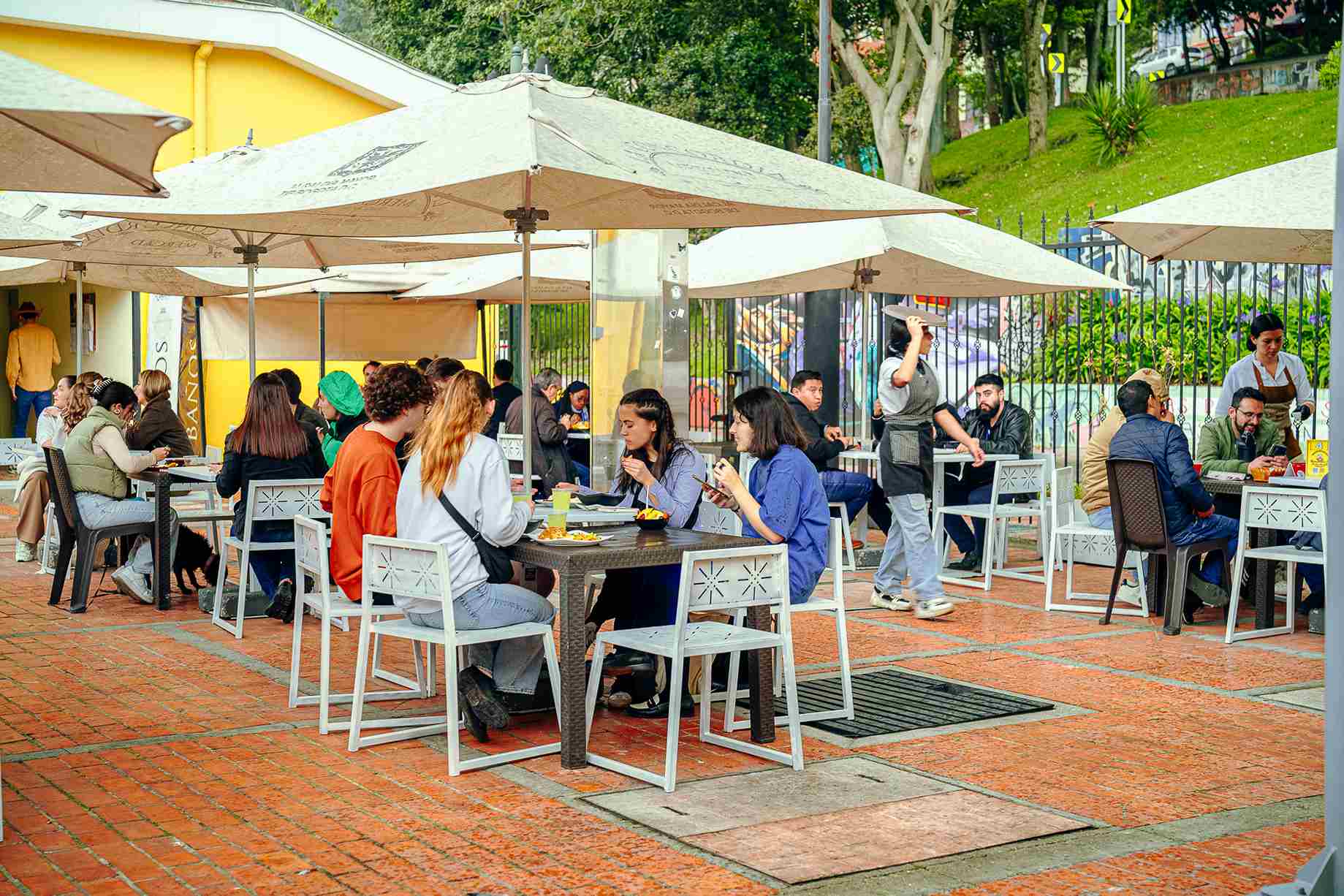
Market menu, a la carte
Those who wish to avoid 'sinning'—by following the tradition of abstaining from red meat, pork, chicken, or rabbit—can enjoy a whole universe of fish, seafood, and ceviches. And there is no better place than Bogotá recently recognized by the prestigious magazine National Geographic as one of the most exciting gastronomic destinations in Latin America and a must-visit for lovers of fine cuisine.
Y To delight your palate, there’s nothing better than heading to the city’s traditional market: colorful, lively places where ancestral local and national recipes are prepared and where, during Holy Week, fish and seafood take center stage.
Bogotá is home to around 45 traditional markets, both public and private—with 16 run by the city district—located in different districts of the city.
In markets such as La Perseverancia, Siete de Agosto, and La Concordia, visitors—both believers and tourists alike—will discover a diverse range of culinary offerings. They can enjoy traditional dishes from the Colombian Pacific and Caribbean, including fish stew, shrimp ceviche, seafood casserole, and encocado de pescado (fish in coconut sauce). Other specialties include viudo de capaz, fried or grilled mojarra, garlic trout, and bocachico broth, among many other delicious preparations.
If fish and seafood are not to the diner's liking and they decide to commit a little 'sin,' they can try other delicious specialties from Bogotá and Cundinamarca. These include the traditional ajiaco santafereño, sancocho de gallina, or baked delights known as amasijos — including almojábanas, pan de yuca, empanadas, and all kinds of arepas. And, of course, traditional desserts such as marquesas, obleas with arequipe, cuajada con melao, turrones, and many other sweet treats that reflect the region's rich culinary heritage.
District markets open on Good Friday
As part of Holy Week traditions, some markets close on Good Friday. However, several will remain open. Check which ones will welcome visitors that day and their operating hours below:
- El Carmen District Market (8:00 a.m. a 4:00 p.m.)
- Trinidad Galán District Market (7:00 a.m. a 2:00 p.m.)
- Carlos E. Restrepo District Market (7:00 a.m. a 2:00 p.m.)
- Plaza Distrital de Mercado 20 de Julio (7:00 a.m. a 3:00 p.m.)
- Plaza Distrital de Mercado Fontibón (7:00 a.m. a 2:00 p.m.)
- Plaza Distrital de Mercado Las Ferias (7:00 a.m. a 5:00 p.m.)
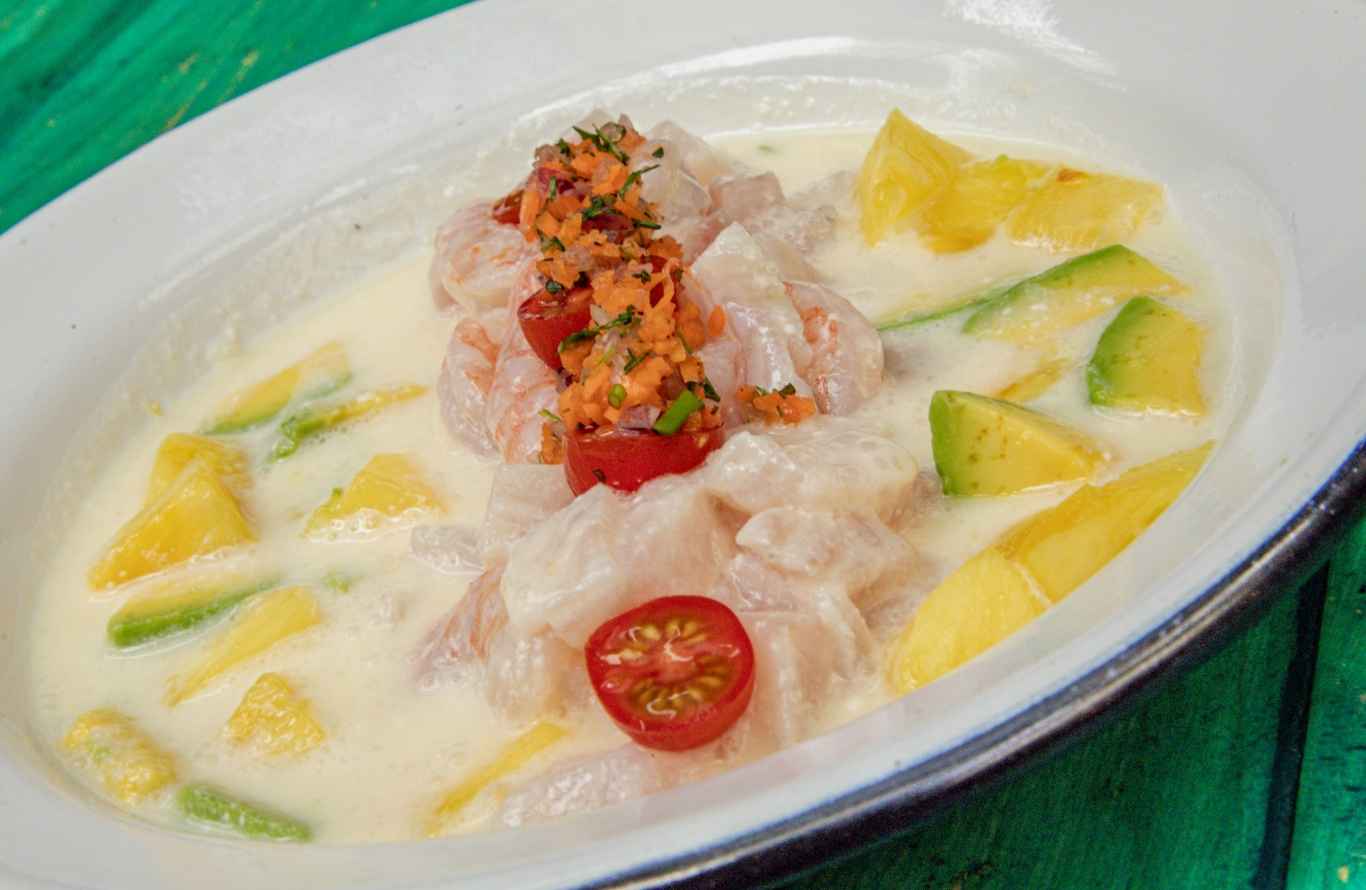
From town to town in Cundinamarca
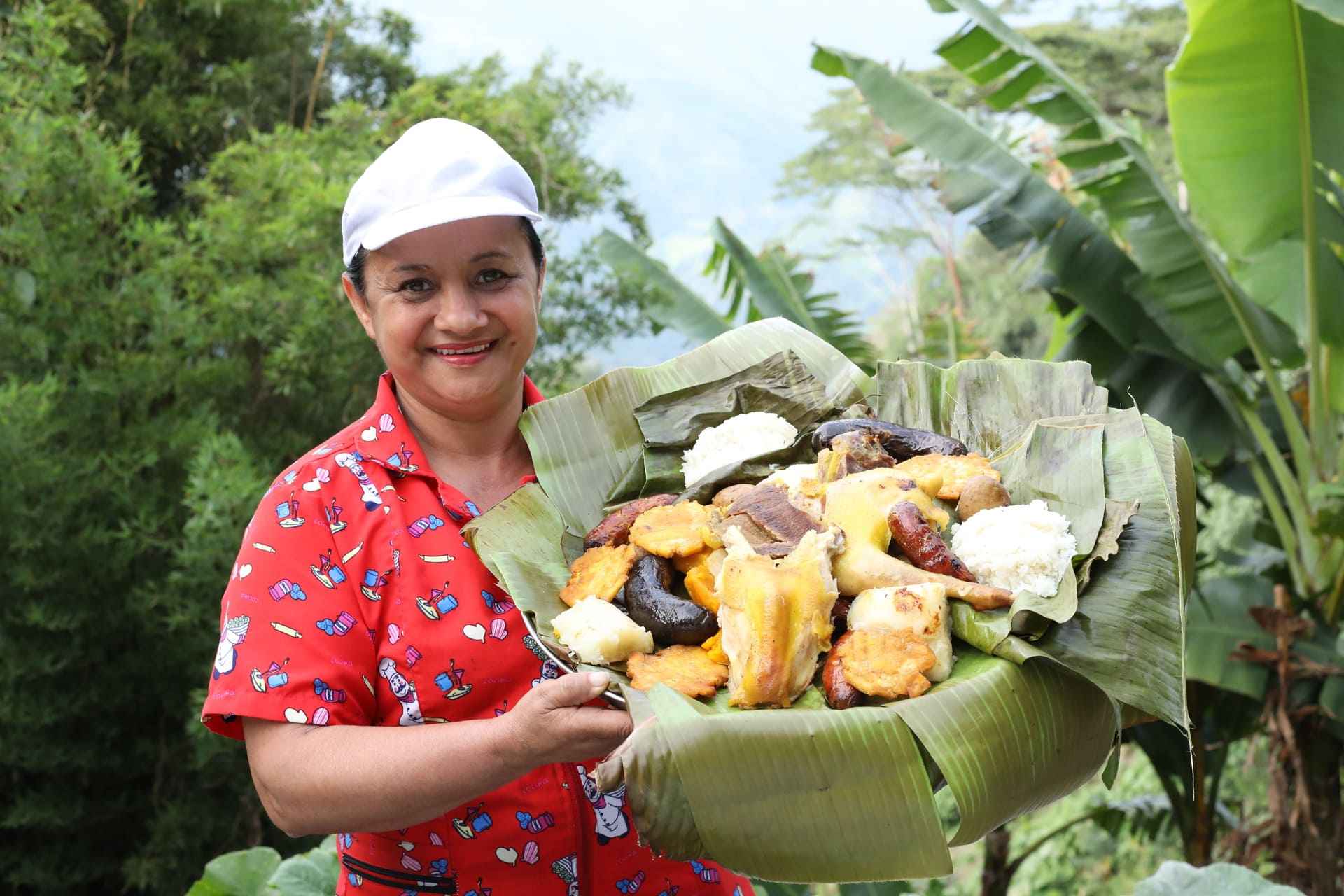
Chía and Cajicá are well-known for their culinary offerings found in local marketplaces and restaurants. The same can be said for La Calera and Sopó. In Zipaquirá, the iconic Salt Cathedral is a must-visit, and nearby, you can also explore the Nemocón Salt Mine. All municipalities in Cundinamarca have markets and a variety of restaurants where you can enjoy fish and seafood—perfect for the Holy Week—as well as emblematic dishes like cocido cundiboyacense. It’s also worth stopping on the road to savor obleas with arequipe, merengues de frutas (meringues with fruit), and a wide array of traditional desserts.
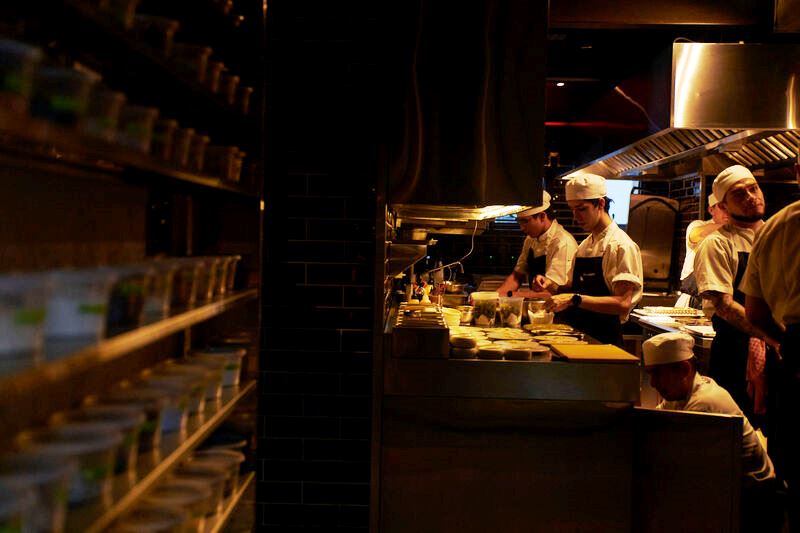
White Tablecloth Dining
If you are looking for greater comfort, head to the city’s most iconic seafood houses or fine dining restaurants, where you’ll be served the finest selection of fish and seafood.
Whether you prefer French, Italian, or Asian cuisine, Bogotá and Cundinamarca offer hundreds of restaurants where—without compromising the spirit of Holy Week—can indulge your palate.
You can explore areas such as Zona G, Zona T, Usaquén, La Macarena, and the San Felipe District. A must-visit spot in La Candelaria is the block between Calle 11 and Carreras 7a and 6a, home to some of the city's most traditional restaurants, including La Puerta Falsa, perhaps the oldest in Bogotá.
For more information about tourism in our city, stay here at www.visitbogota.co. And don't forget to download the free Visit Bogotá app to your smartphone.