 Religious Tourism
 For the faithful and thousands of tourists arriving in Bogotá during Holy Week—which this year runs from Sunday, March 29 to Sunday, April 5—the best way to make the most of their stay is to explore and learn about the history of several of its sacred sites or visit and enjoy the city's other attractions.
The official launch of Holy Week 2026 under the religious campaign Caminando hacia la Pascua con María (Walking towards Easter with Mary) will take place on March 20 at 03:00 p.m. at the Primatial Cathedral of Colombia in the presence of Bogotá’s First Lady, Carolina Deik Acosta Madiedo, the Director of the District Tourism Institute (IDT), Ángela Garzón; and other representatives from the Government of Cundinamarca, the Archdiocese of Bogotá, and Los Caballeros de la Virgen (Heralds of the Gospel).
For those who pray
Bogotá, your home, is a city rich in history and religious culture that, from its very beginnings, was shaped by the construction of churches during the Spanish conquest and colonization. Today, thanks to the diversity of its population, it embraces beliefs of many kinds. Here, Catholics, Evangelicals, Protestants, and Jews, among others, find spaces for prayer and reflection—not only during Holy Week.
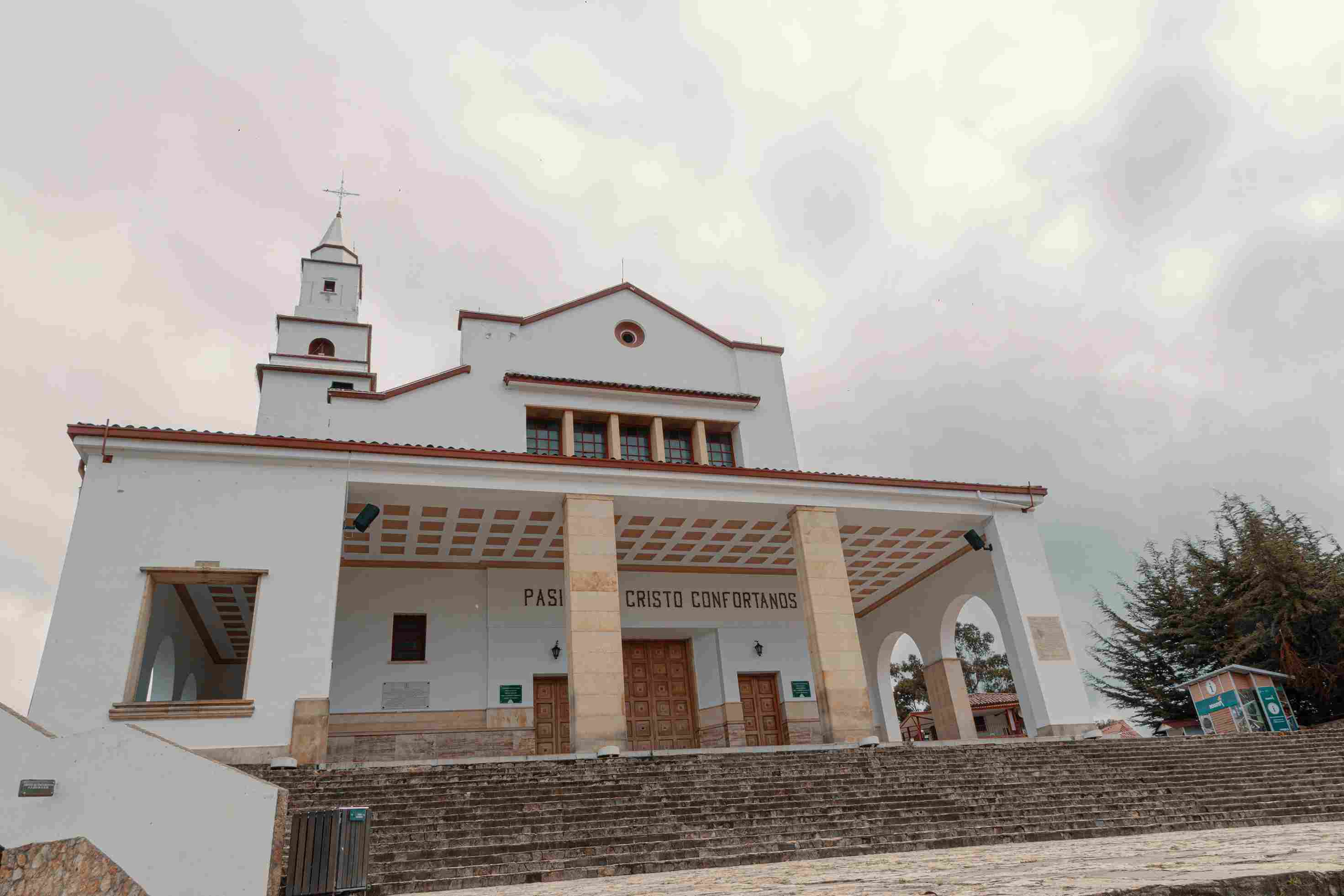
If faith is your reason for visiting, Monserrate is the most visited site for many reasons: the penitential devotion of climbing its 1,605 steps that lead to the top of the hill, its spectacular 360-degree panoramic view, its diverse offering of traditional Colombian and international cuisine, its cloud forest, and, above all, the hope inspired by seeing up close the Santo Cristo, scourged and nailed to the cross (a 17th-century sculpture by Pedro de Lugo Albarracín). Some say the sacred image’s hair grows and that it grants miracles.
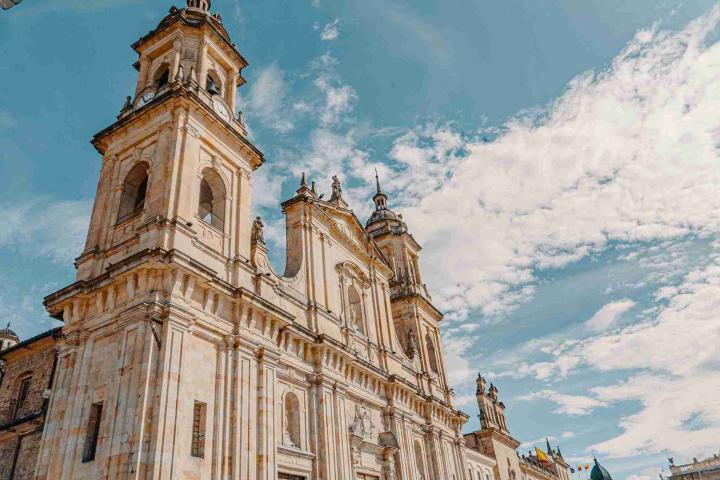
Not far from there, in the heart of the city’s historic center, stands the Primatial Cathedral. Built on the grounds where the former Capilla del Humilladero once stood, it is a beautiful example of colonial architecture and, during this season, hosts numerous ceremonies and processions, including the Way of the Cross.
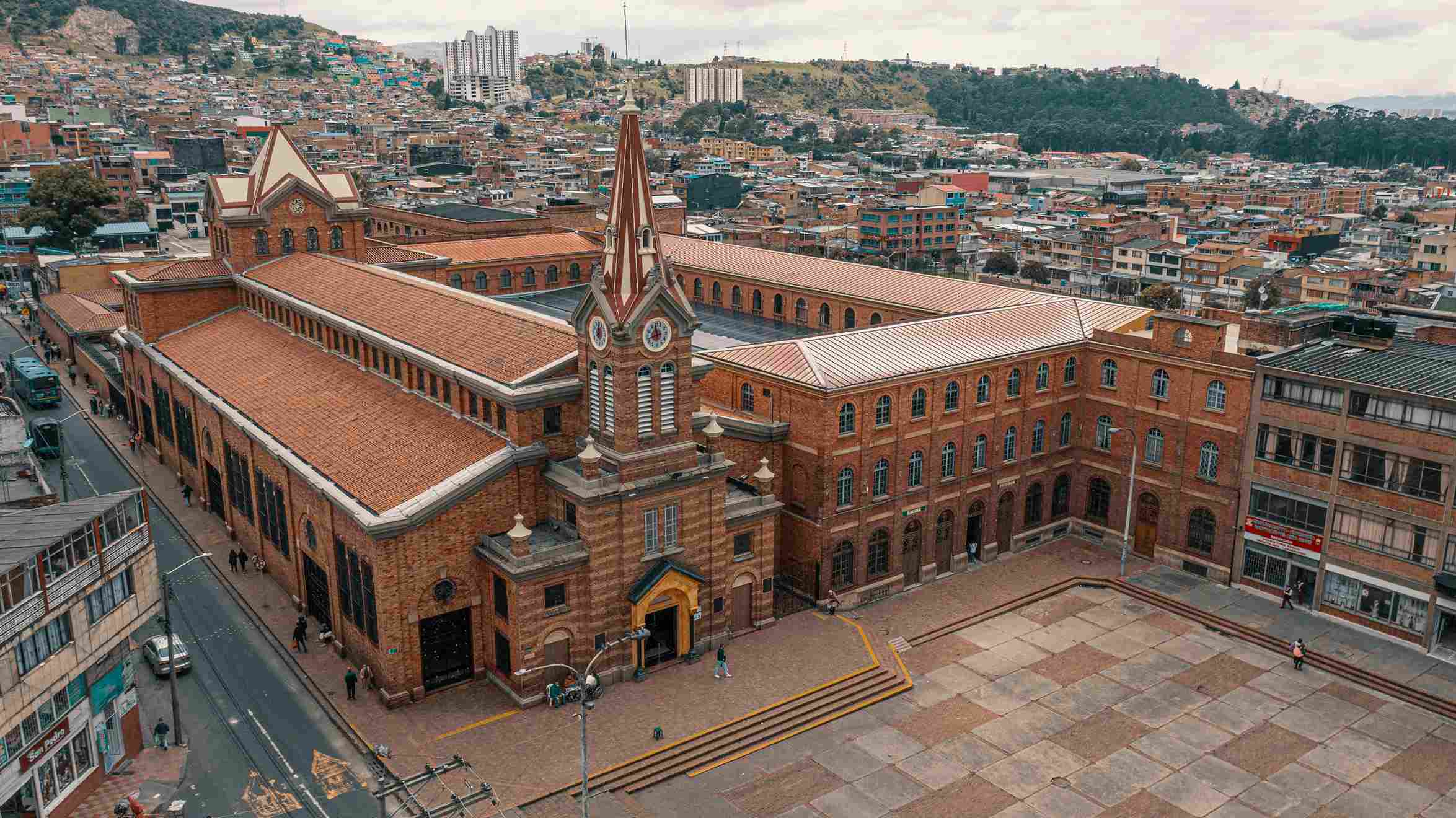
Just a few blocks away is La Veracruz Church, one of the earliest churches, dating back to 1546. Its importance lies in its role in organizing Holy Week celebrations. In the past, it is said that processions frequently departed from here, and that the Brotherhood of La Veracruz accompanied those condemned to death, as well as national heroes who were buried there.
TAlso located in the city center is the Church of Saint Ignatius of Loyola, in the La Candelaria neighborhood. It is a temple where spirituality meets architectural majesty. It is said that for its design, the Italian priest and architect Juan Bautista Coluccini drew inspiration from the Church of the Gesù in Rome, the mother church of the Society of Jesus. Without a doubt, its walls tell stories of faith and sacrifice.
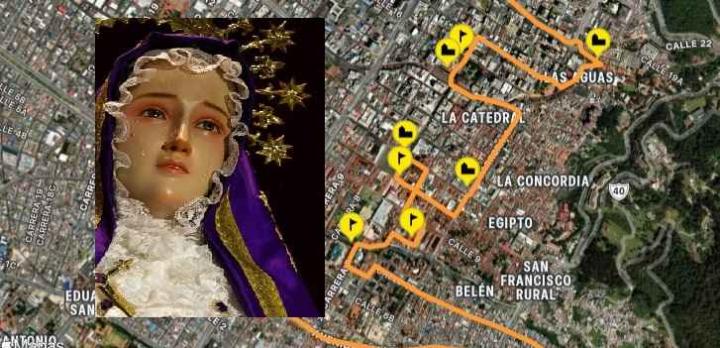
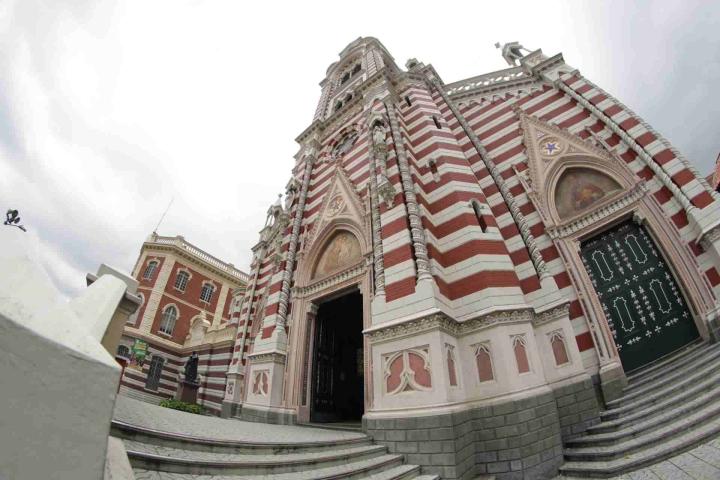
A bit farther away stands the Parish of Our Lady of Egypt, a National Monument built in 1651. With around 450 years of history, it is one of the first seven hermitages constructed during the Viceroyalty of New Granada. By tradition, on Good Friday, it hosts the Way of the Cross and Crucifixion processions.
Finally, heading slightly south of Bogotá, you can visit the Shrine of the Divine Child Jesus of 20 de Julio. This sacred site draws thousands of faithful every Sunday for the “adoration” of the unique image of the Divine Child. Its popularity has grown so much that the church, inaugurated in 1942, has become a destination of faith, deep spirituality, and miracles.
For those who give in to temptation
Bogotá is a city of endless possibilities. For those who see Holy Week as a time for rest, recreation, and family togetherness, the city offers plans for every taste and budget. The less devout can let their senses be captivated by activities such as visits to remarkable museums, the delights of rich gastronomy, and the vibrant cultural and entertainment agenda, which promise residents and visitors an unforgettable experience.
With the eyes
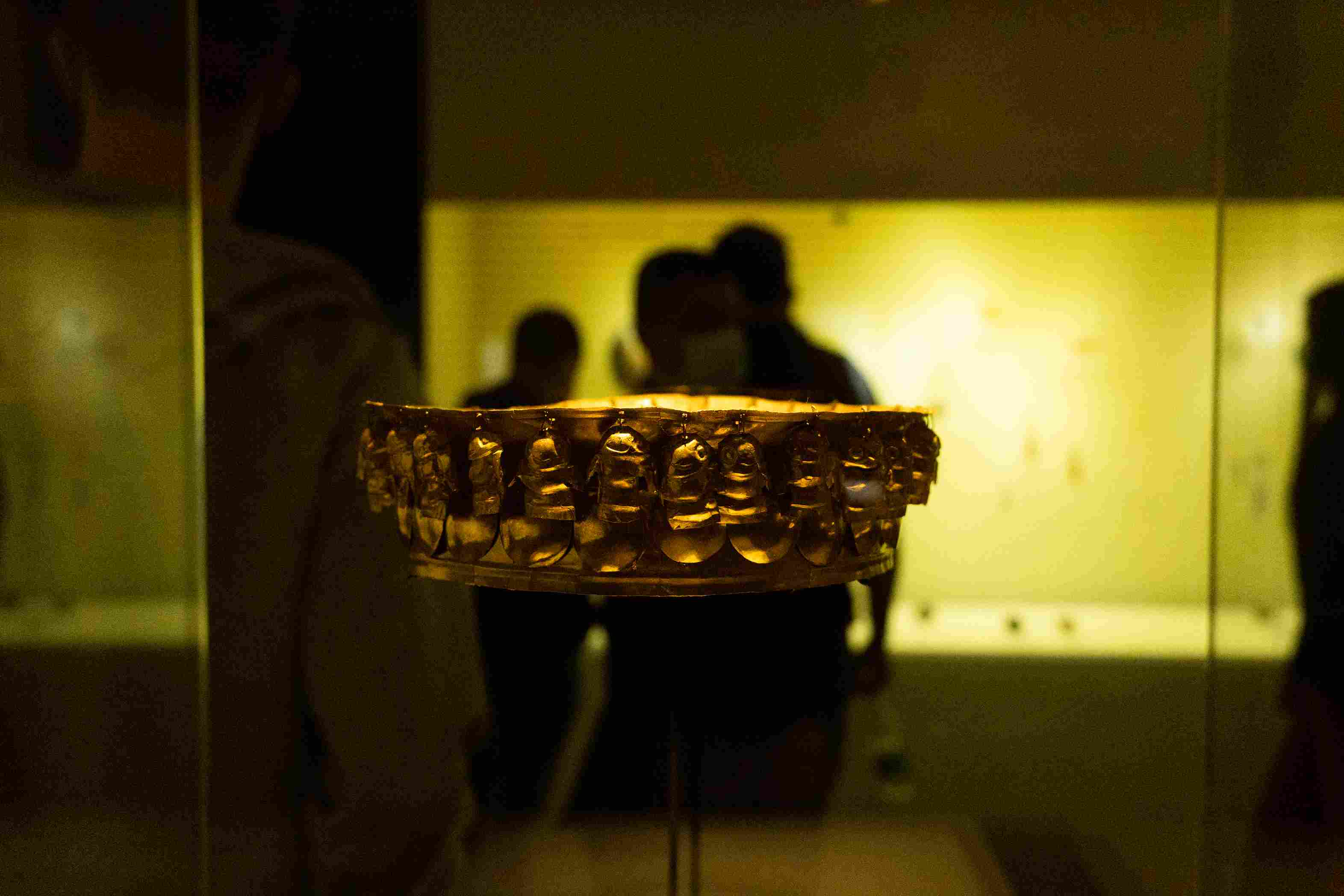
With more than 60 museums, Colombia’s capital offers a vast and diverse view of the world and its history. In each of these spaces and their collections, visitors can immerse themselves in knowledge and reflection. The Gold Museum, ranked in 2024 by TripAdvisor as one of the 25 best museums in the world, offers a mystical connection to our past with its 30,000 pieces of gold and tumbaga, along with 20,000 lithic, ceramic, and textile objects crafted by various indigenous communities.
Another must-visit is the Botero Museum, located on Calle 11 and Carrera 4 in Bogotá’s Cultural Block, across from the Luis Ángel Arango Library and next to the Casa de la Moneda Museum. It showcases, for all audiences, a major—if not the largest—collection of works by Colombian artist Fernando Botero, along with pieces by international masters such as Pablo Picasso, Claude Monet, and Salvador Dalí.
With the mouth
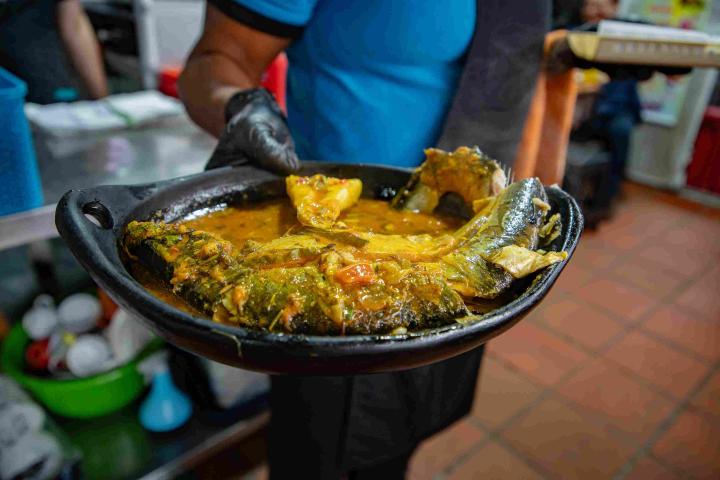
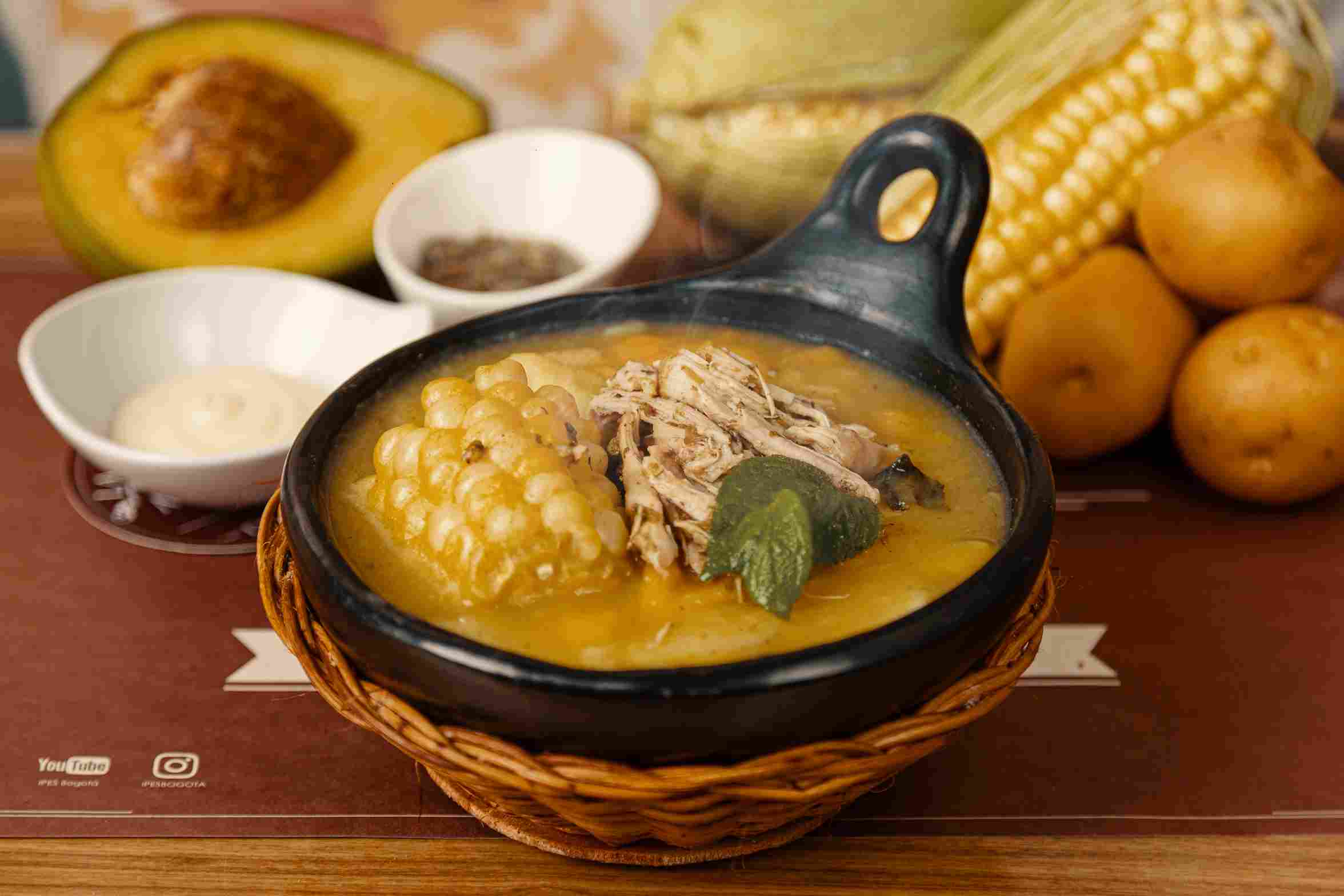
But if your “sin” is indulging your palate, Bogotá is the place to do it. In its picturesque markets, you can delight in the most emblematic preparations of santafereña cuisine—the name given to the local culinary tradition—where dishes like ajiaco and changua take center stage.
However, if you prefer white tablecloth dining, you’ll find the finest international cuisine, from French and Italian to Asian, across countless dining spots in areas such as Zona G, Zona T, Usaquén, and La Macarena. If you’re in La Candelaria, the mandatory stop after Mass at the Cathedral is La Puerta Falsa, right next to Bolívar Square. It is the oldest restaurant in Colombia, where the true delight is a tamal with hot chocolate.
For more information about tourism in our city, stay here at www.visitbogota.co. And don't forget to download the free Visit Bogotá app to your smartphone.