Visit Bogotá
Church of St. Augustine
Carrera 7a # 6c-25
Cómo llegar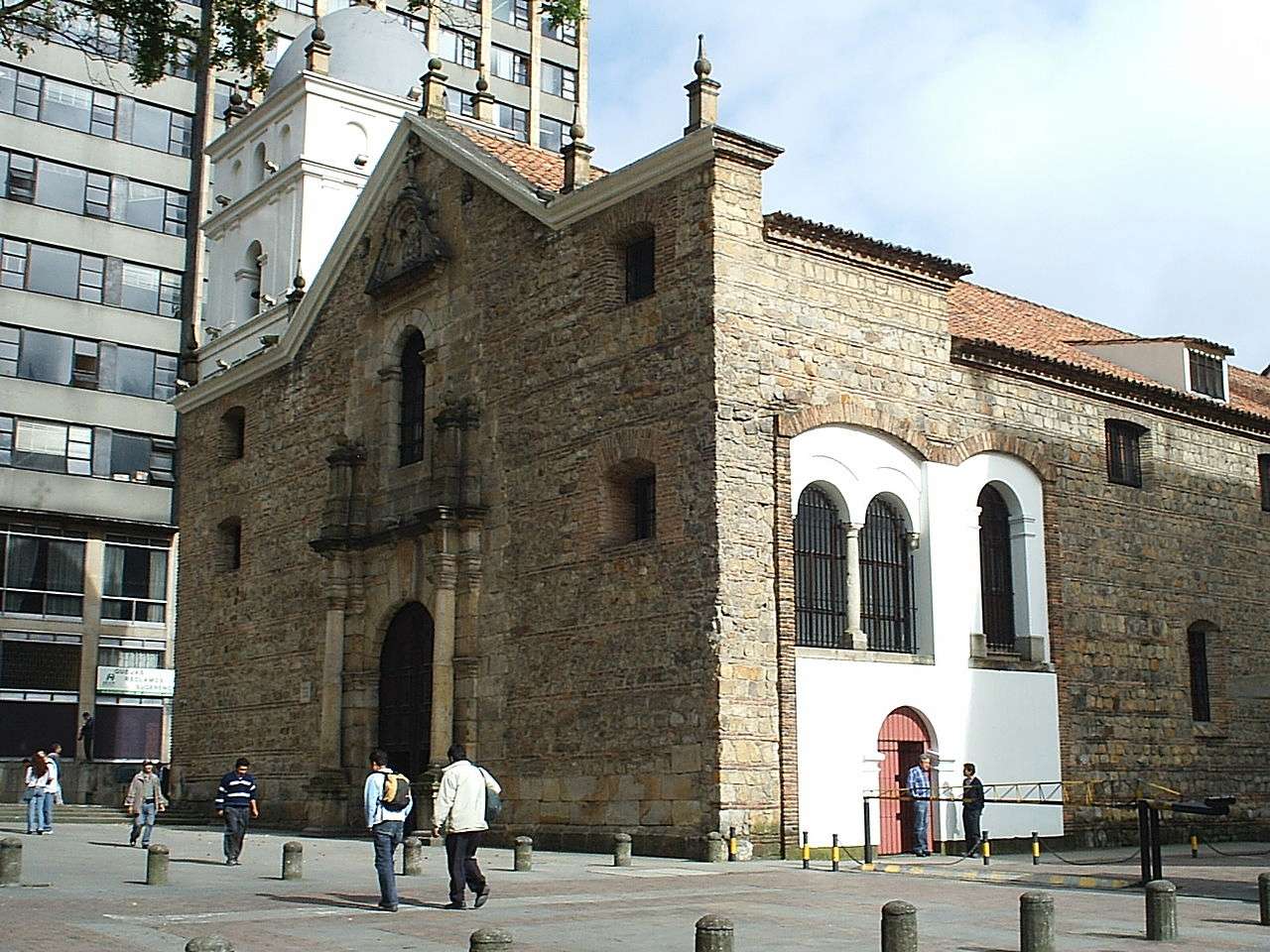
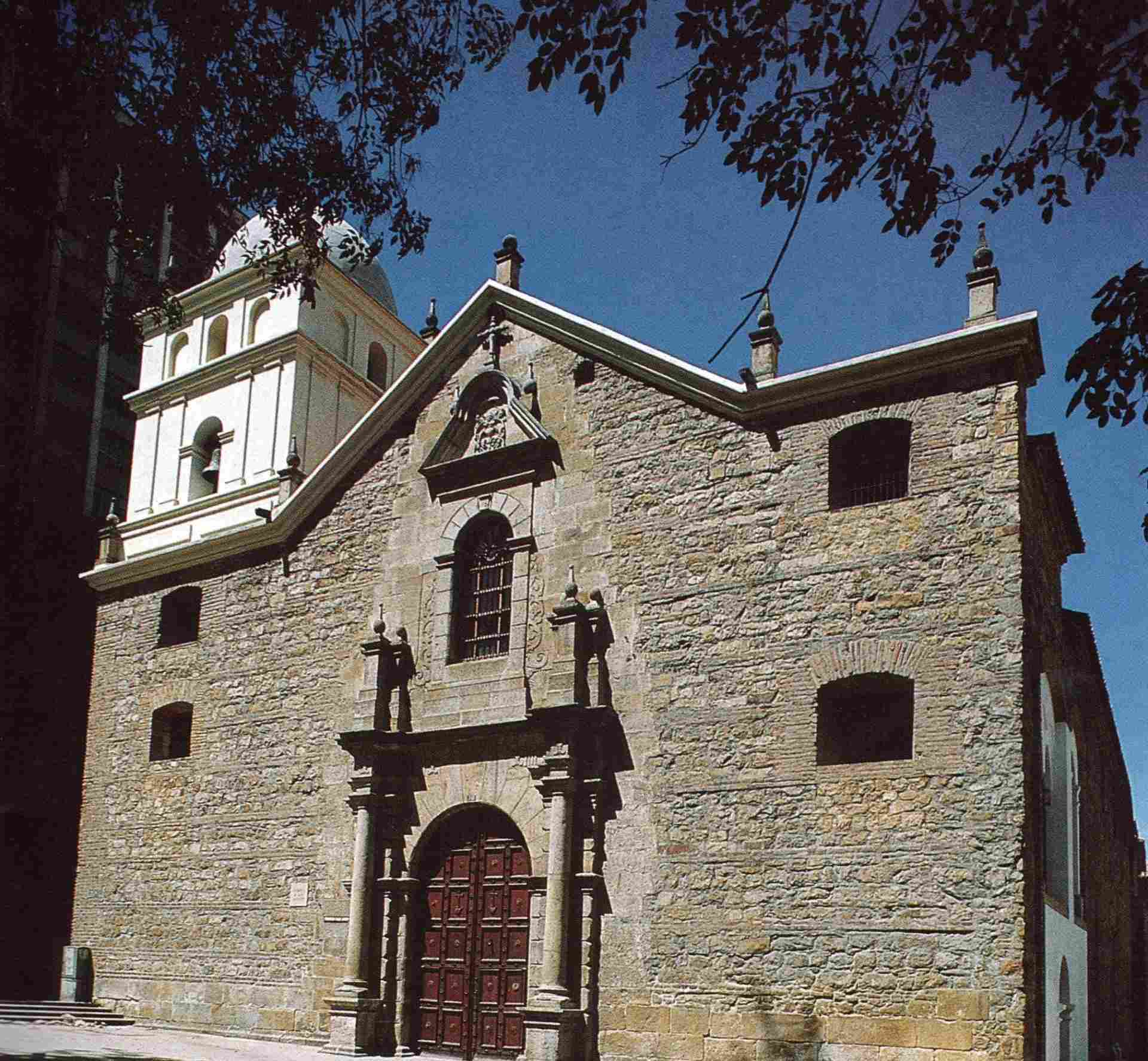
Just behind the Casa de Nariño—the presidential residence— stands this church, built of carved stone and declared a National Monument in 1975. Constructed between 1642 and 1668 in colonial style, it was originally part of the former convent of the Order of St. Augustine.
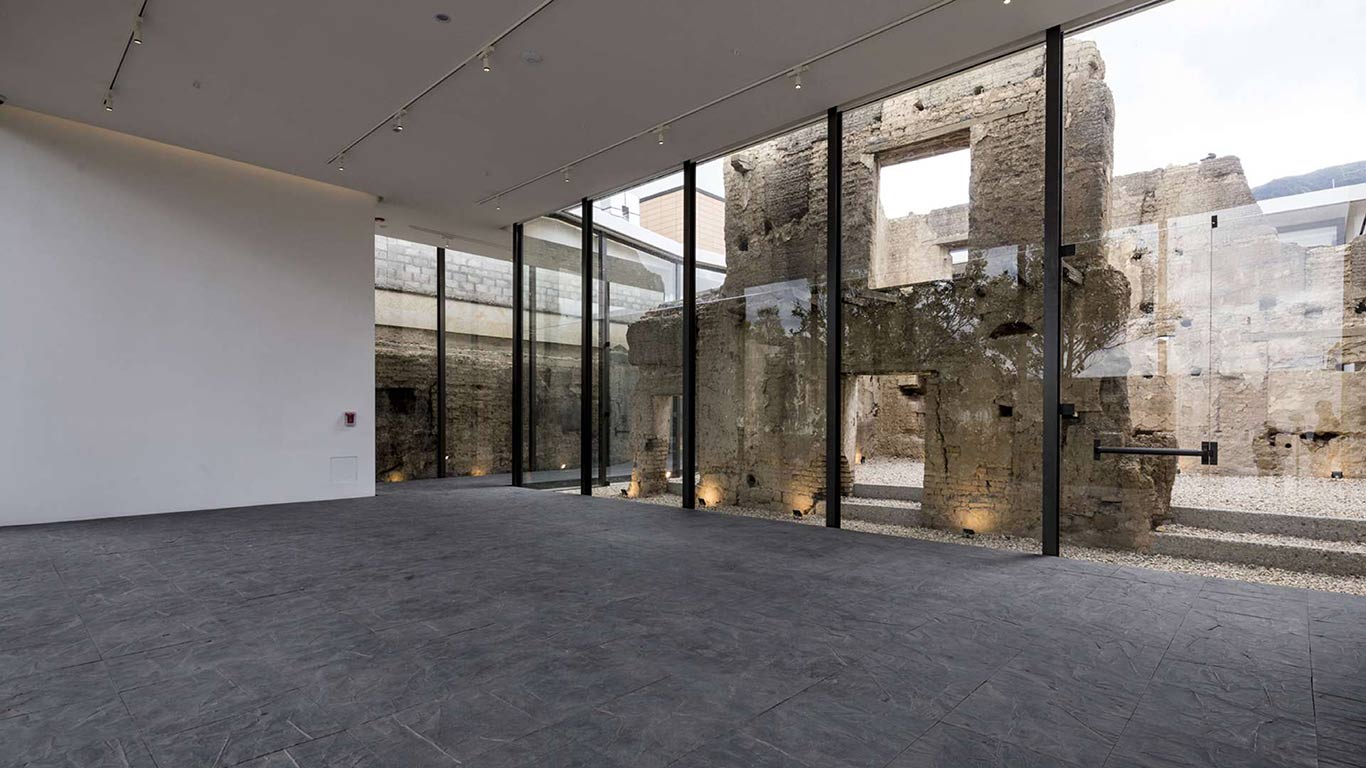
This church has been the setting for several events of great importance in Colombia’s history. The body of the heroine Policarpa Salavarrieta—executed on November 14, 1817, in Bolívar Square, then called Plaza Mayor—was reinterred here at the request of the priests, who exhumed it from the Church of Veracruz, where she had been buried in a mass grave. The so-called Battle of Saint Augustine also took place within its walls, between the troops of then-President Mariano Ospina Rodríguez and those of General Tomás Cipriano de Mosquera, who sought to overthrow him. As a result of this clash, in February 1862, the church was severely damaged in its southern section and lost much of its decoration and documentary archive.
Other historical events in the surrounding area also damaged the church. Beginning in 1953, the building underwent a series of repairs and restorations that continued until 1986. During this process, the oldest mural colors and finishes were recovered, along with the staircase connecting the temple to the convent.
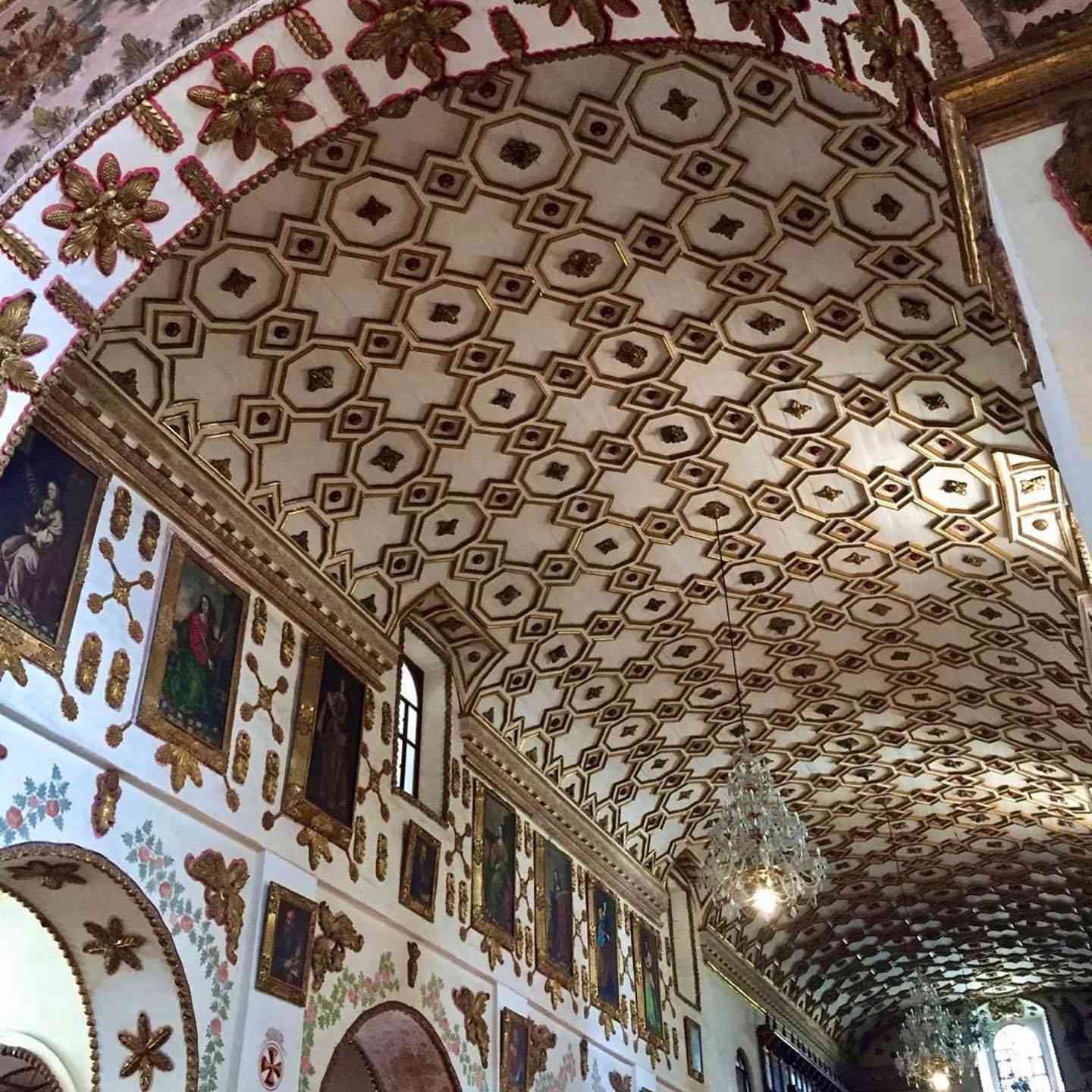
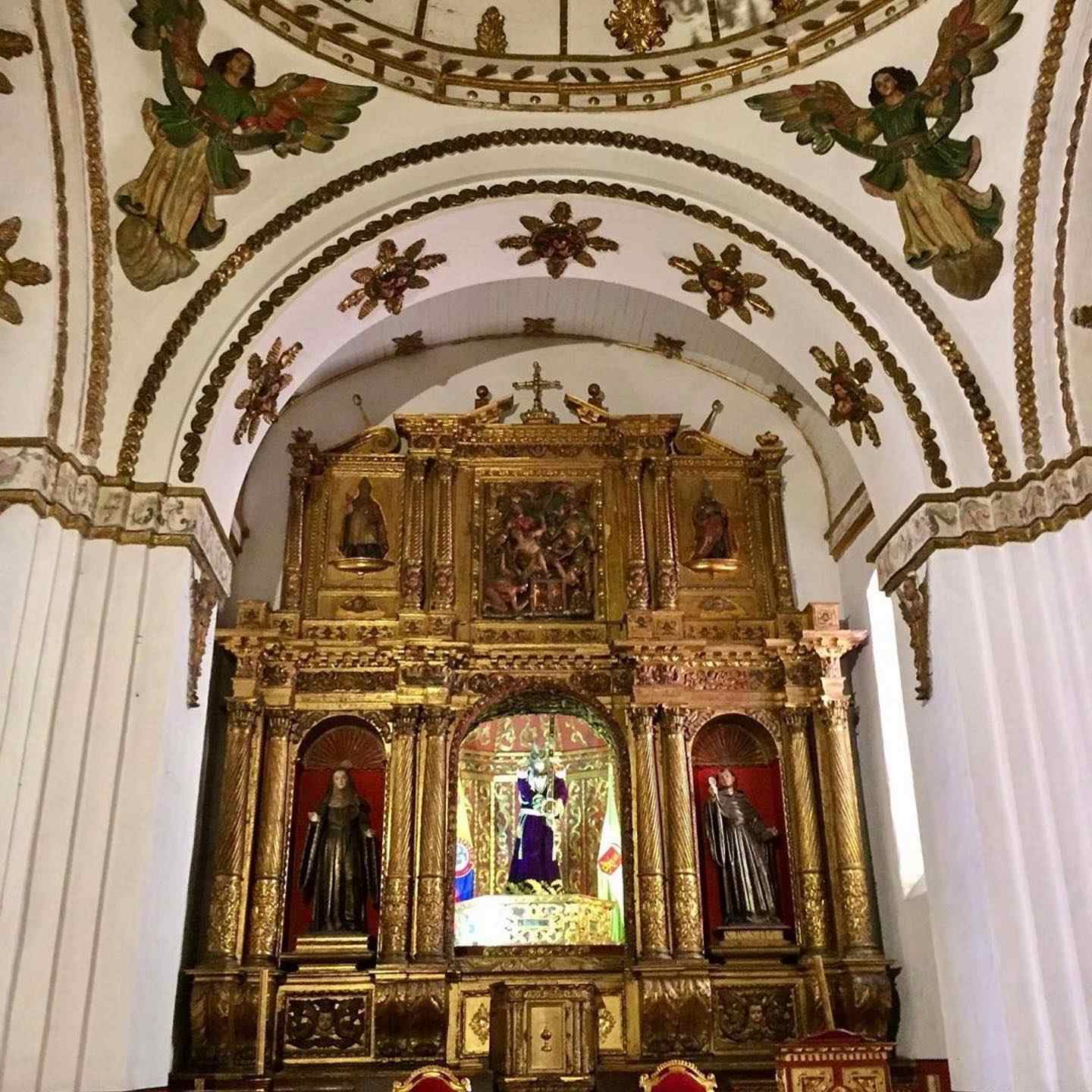
A tour of the church's interior reveals an invaluable heritage. Exquisite carvings, altarpieces, murals, and paintings are distributed across its chapels. Among the most notable works are the wood and metal sculpture of Jesús Nazareno, paintings illustrating the lives of Jesus, Mary, the Holy Family, and Saint Augustine, as well as a unique collection of paintings on the backs of the choir stalls. The church also houses several plaster sculptures attached to the headboard and the prior's seat. Its choir, considered the oldest and best-preserved in Colombia, stands as a true treasure of colonial art.
 [email protected]
 322 7488227