
Ajiaco, tamal or changua: which of these bogotan dishes is your favorite?
Our ancestral cuisine has helped to make the city a high-level gastronomic destination and a strategy for economic and social development.
Bogotá tastes very rich. It tastes like ancient soups and a mixture of flavors and aromas that have been merging throughout our history. The colonization left us a gastronomic heritage that has been adapted to local cuisine. And ancient delights have survived.
Not in vain, the city is increasingly consolidated as a gastronomic destination. Here you can find from the most exotic indigenous cuisine to the most exquisite international food. But it's those typical dishes that love international visitors.
In this new publication of 'Visit Bogotá' we present a list of Spanish dishes, which can be enjoyed in the different market squares of the city and in neighborhoods such as La Candelaria. What's your favorite?
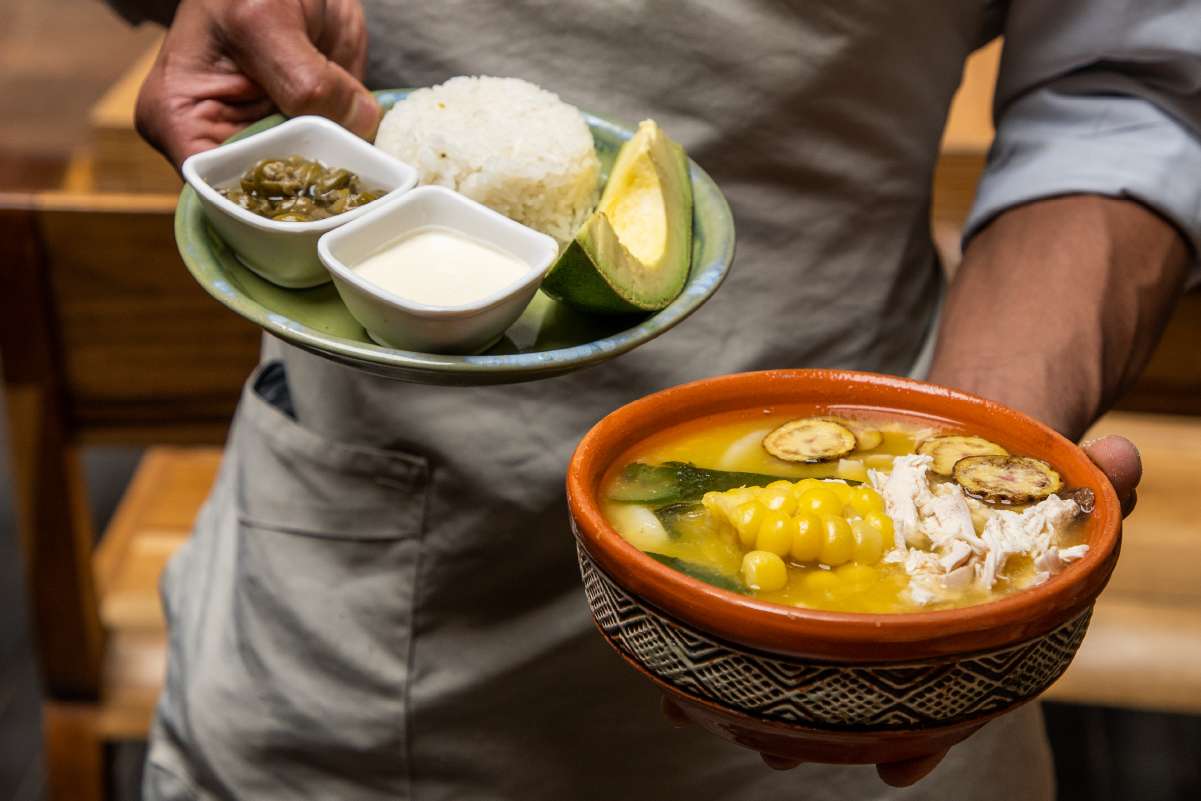
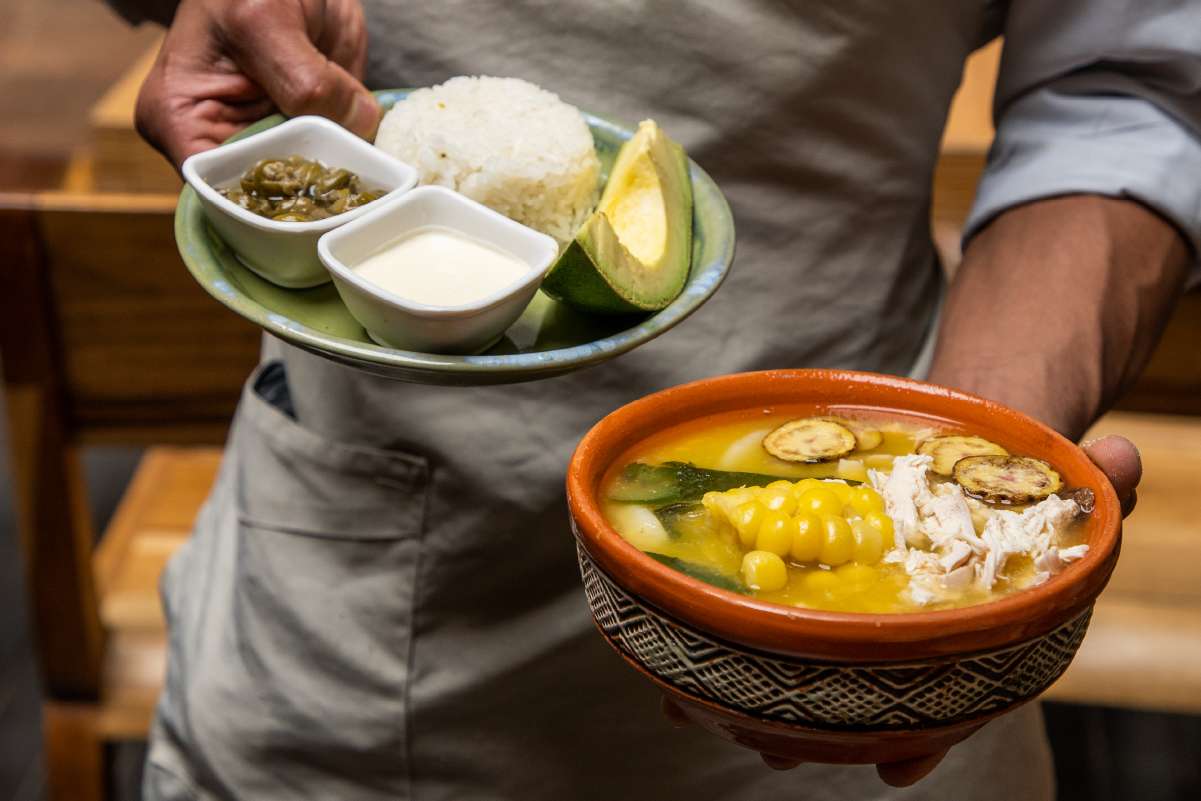
Ajiaco Santafereño
Originally, it was an indigenous soup to which foreign ingredients such as chicken, milk cream and capers were added. The Santaferean Ajiac also carries tender dungeons and three kinds of potato: the creole that dissolves, the pasture that gives it consistency and the paramuna or sabanera that must be left whole.
The typical Togotan Ajiac not only owes its grace to the Creole potato, which gives it its taste and color. Also to the guasas, a wild grass that can be found in most of the bogotan territory and that gives it a special aroma. It is always accompanied by a slice of avocado and rice.
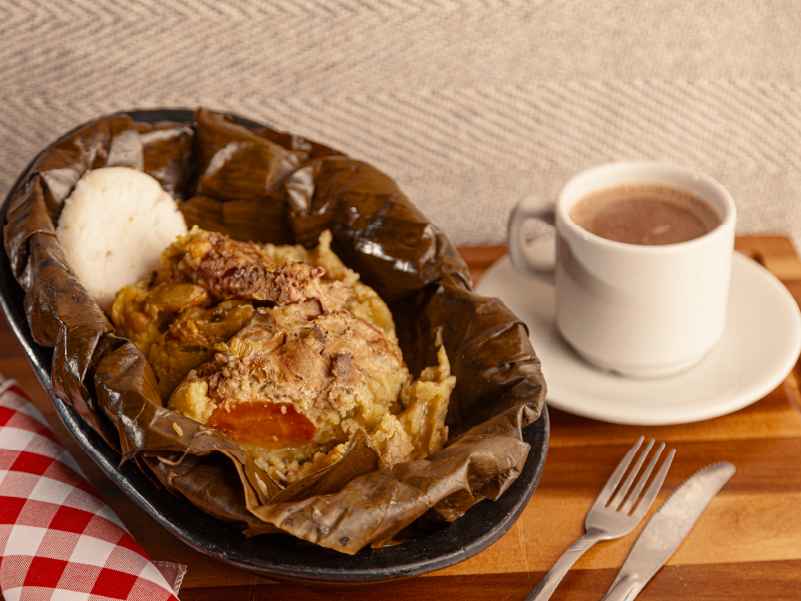
Santafereño Tamal
"The one who has not gone to Monserrate with his girlfriend in Bogotá does not know what cinnamon is, or tamal with chocolate," is stated in a well-known bogotana copla. A little bird of green leaves hides within it a universe of flavors, goes back to the practices of pre-Hispanic cuisine and its result is the fruit of mestizaje. This preparation is shared by the Andean region, the central region and the Atlantic coast, but the elements vary according to the region and family recipes.
The tamal is the king of the wrapped and the guest for Sundays, parties and celebrations, for it is not any wrapped. Hours of steaming lead to its precise point the fine mass of corn that it has in its heart, in the case of the Santaferean tamal, a large piece of bacon, chickpeas and pieces of chicken or chicken with all its bones, bound by the smell of the cumin and the achiote (color).
Poultry
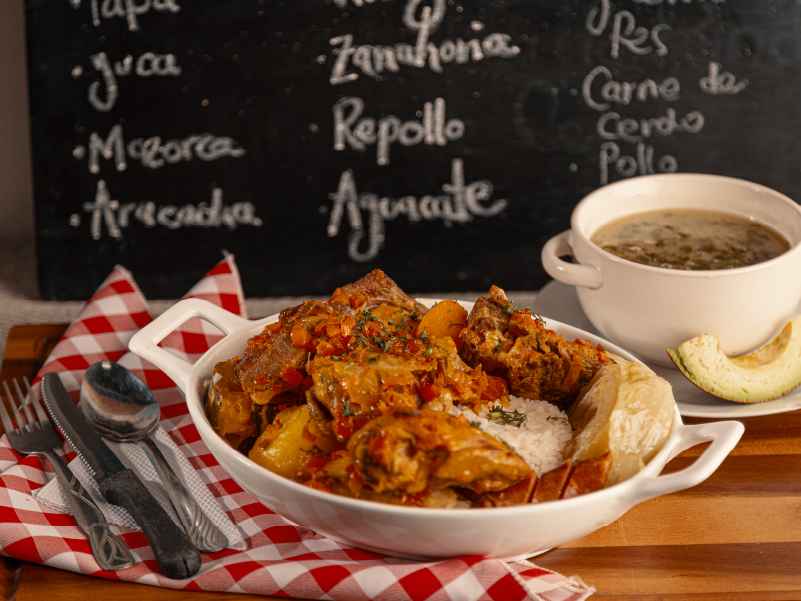
At 2,640 meters high and with a temperature that can be reduced to three degrees Celsius, a tasty and very hot broth is comforting. The santaferean pudding, the fruit of the mestizaje, is a complete dish full of flavors and textures, and at the same time very simple. Chicken, beef and pork, tender dungeons, yucca, potato savannera, arracacha, hibians and cubes (tubers) are cooked on slow heat until soften, leaving a tasty broth that has in turn been aromatized with verdeo onion, laurel, thyme, onion head and cilantro.
When serving the table, the broth is taken in a bowl and on a tray the tubers, meats and mazorca, to which a generous portion of hogao with cheese (tomato sauce and verdeo onion, or long) and a slice of avocado are added. The diner alternates the soft taste of the broth that comforts it with the mouths of the viandas that accompany it. And if it's your taste, you can add a touch of spicy chili.
The fritanga
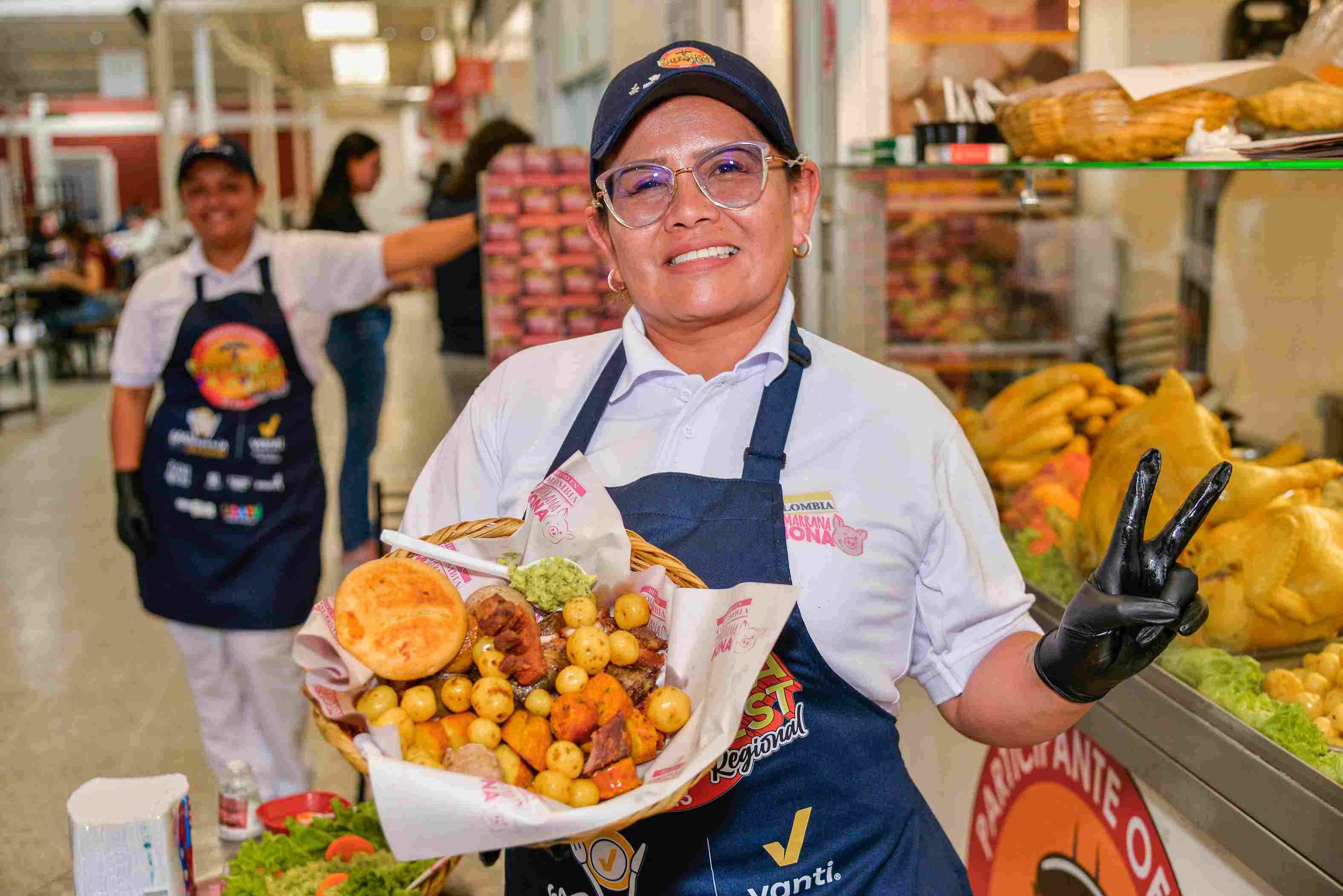
During the Colonia, the products of the two worlds were merged and in the altiplano the so-called 'fritanga', a bite of meat and sausages accompanied by the tubers and fruits of the country, remained as an inheritance. Although its name accuses the frying, only the creole potatoes - small ones are chosen to facilitate the bite - and the cheeks, which after being steamed are passed by hot oil to make their skin crunchy.
The fritanga carries pieces of beef and pork, banana and mazorca roasted to the brasa, pieces of cooked yuca, chorizo and longaniza, all these Spanish heritage sausages. The chisel, or fill, owes its aroma and special taste to the polish: a wild grass related to the European mint, which makes it unique. It is common to enjoy the fritanga in the market squares, on the shore of the road when you go for a walk or as part of a roast a Sunday afternoon.
It is common to enjoy the fritanga in the market squares, typical restaurants of bogotan gastronomy, on the shore of the road when you go for a walk or as part of a roast a Sunday afternoon. However, the most typical establishment in order to taste a delicious fritanga is the picketown, where, according to its name, you can "bite" or taste of the small bites.
The change
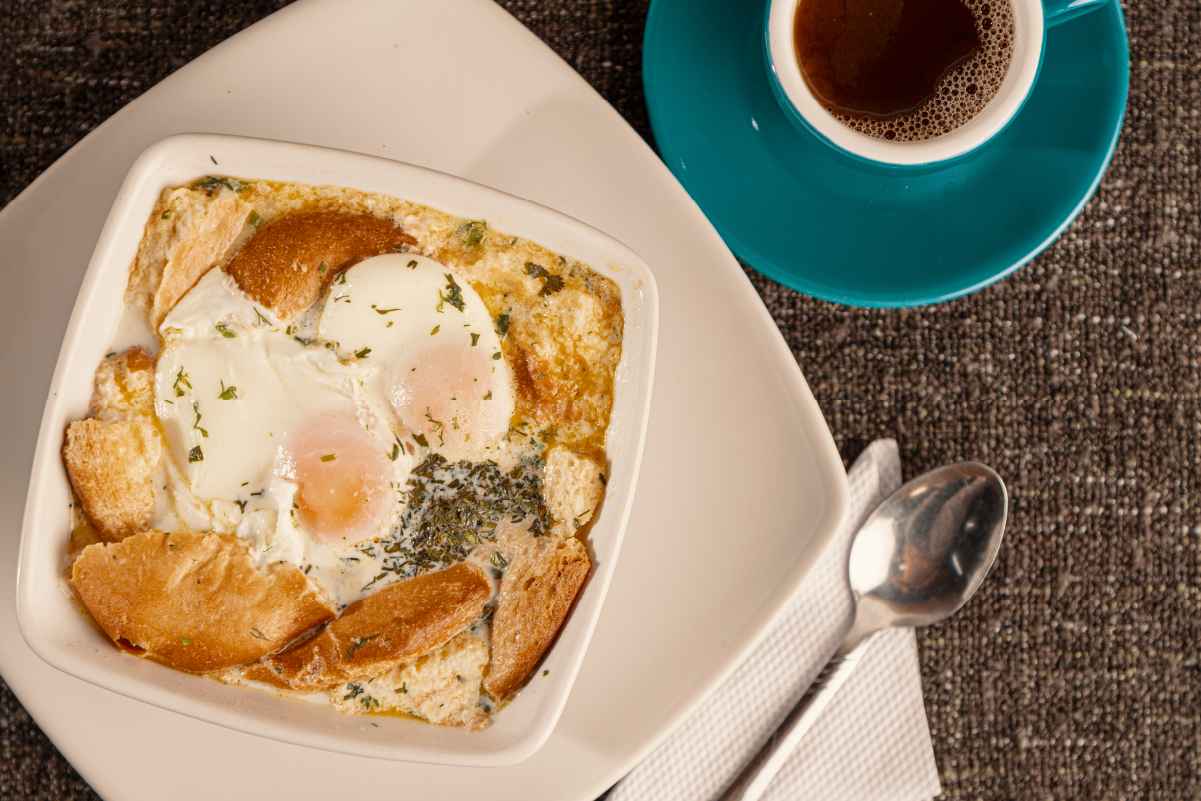
It is based on a simple broth to which, in the last boil, a jet of milk, an egg that is cooked for the minutes necessary for its yolk not to be hardened, pieces of bread and fresh cilantro finely chopped. Some variations give you small cubes of "peasant" white cheese or pomegranate and pomegranate or calao instead of bread. In Bogotá, the changua is still part of a good breakfast, so complete that only a cup of good Colombian coffee is needed after drinking it.
Source: Gourmet Guide of Bogotá - District Institute of Tourism (RTD)