Chocolates Andino: When a Cup of Hot Chocolate Also Tells The Story of Bogotá
There are places where time seems to stand still, telling the story of the space they inhabit.
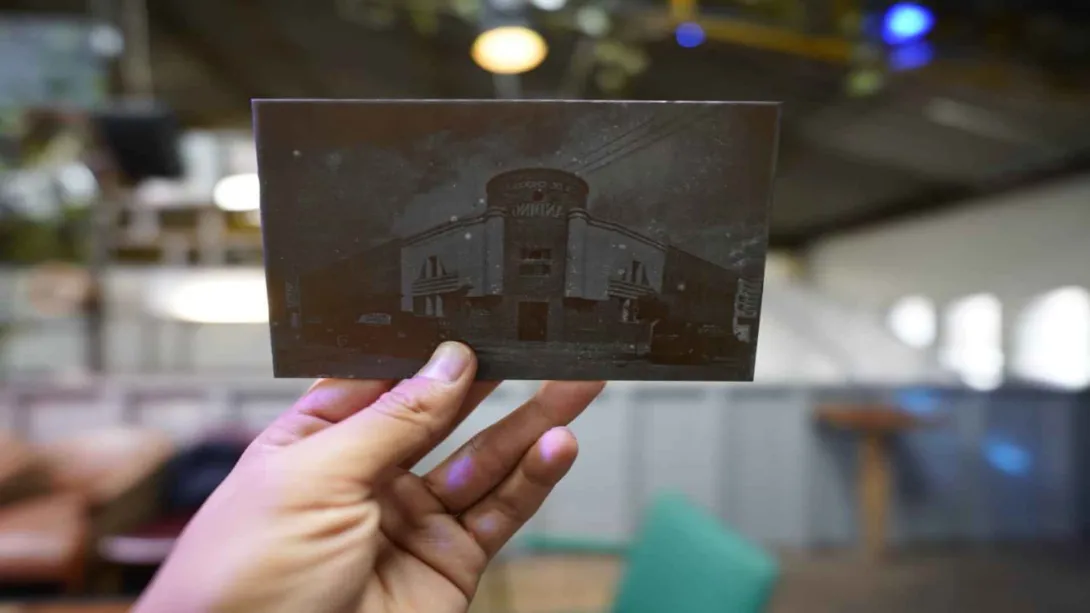
On a street in downtown Bogotá, the aroma of freshly ground cacao blends with the sound of machinery that has been running for decades. There, within walls that have watched generations pass by, a cup of hot chocolate not only warms the body; it also preserves the memory of a city.
Chocolates Andino is one of those places where history remains alive. Its journey began long before it became one of Bogotá’s traditional chocolate factories, and today that story continues to be written, proving that tradition can also be reinvented without losing its essence.
It all began around 1927, when the family of Don Juan Pardo met the great-grandparents of the Ríos family, who were already crafting artisan chocolate in Plaza España. That encounter sparked a business that would, just a few years later, find its permanent home in the very same building where it operates today.
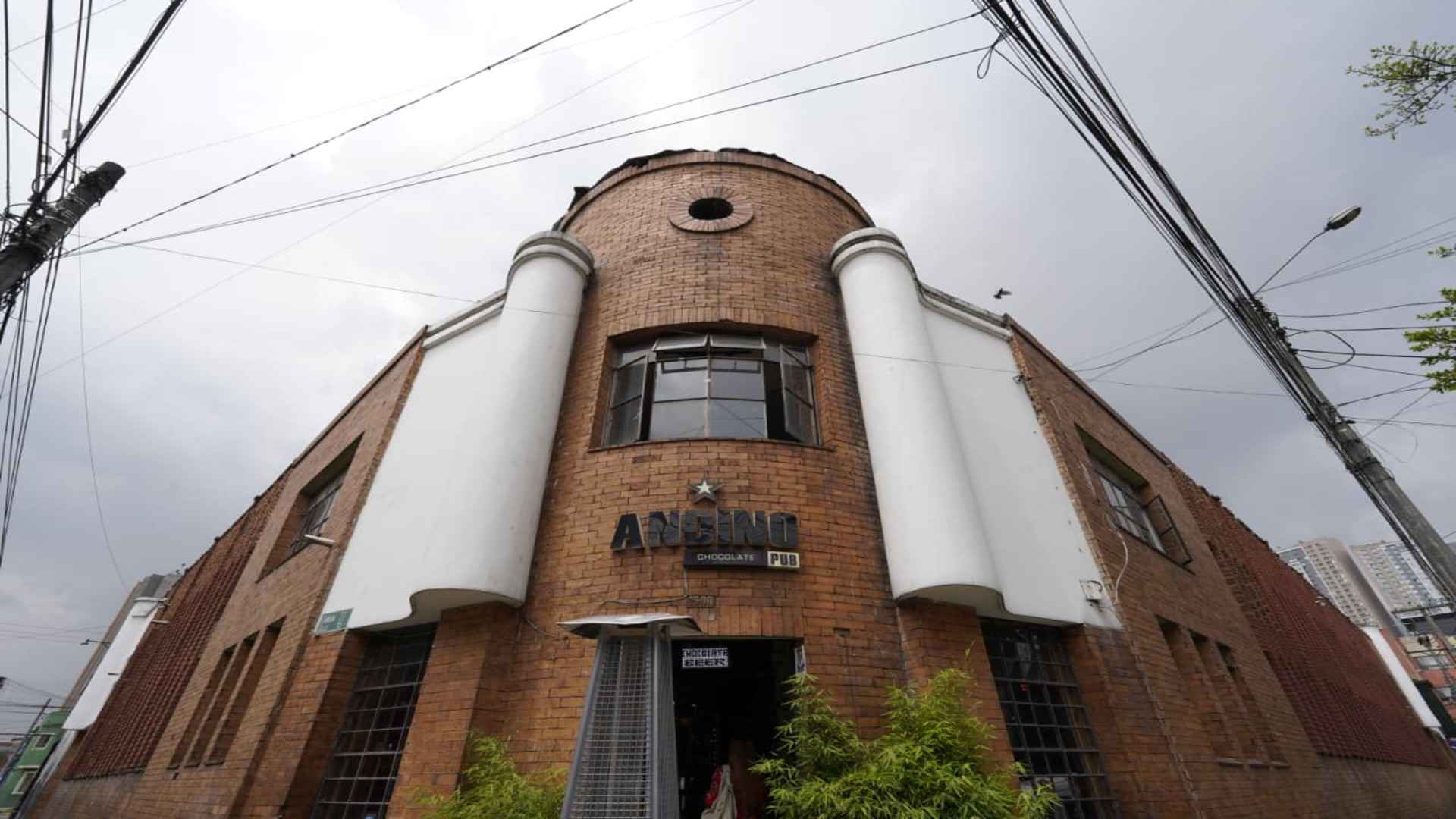
Built in 1931, the factory still stands as a living witness to the growth of Bogotá and the evolution of one of the most iconic drinks in Colombian gastronomy.
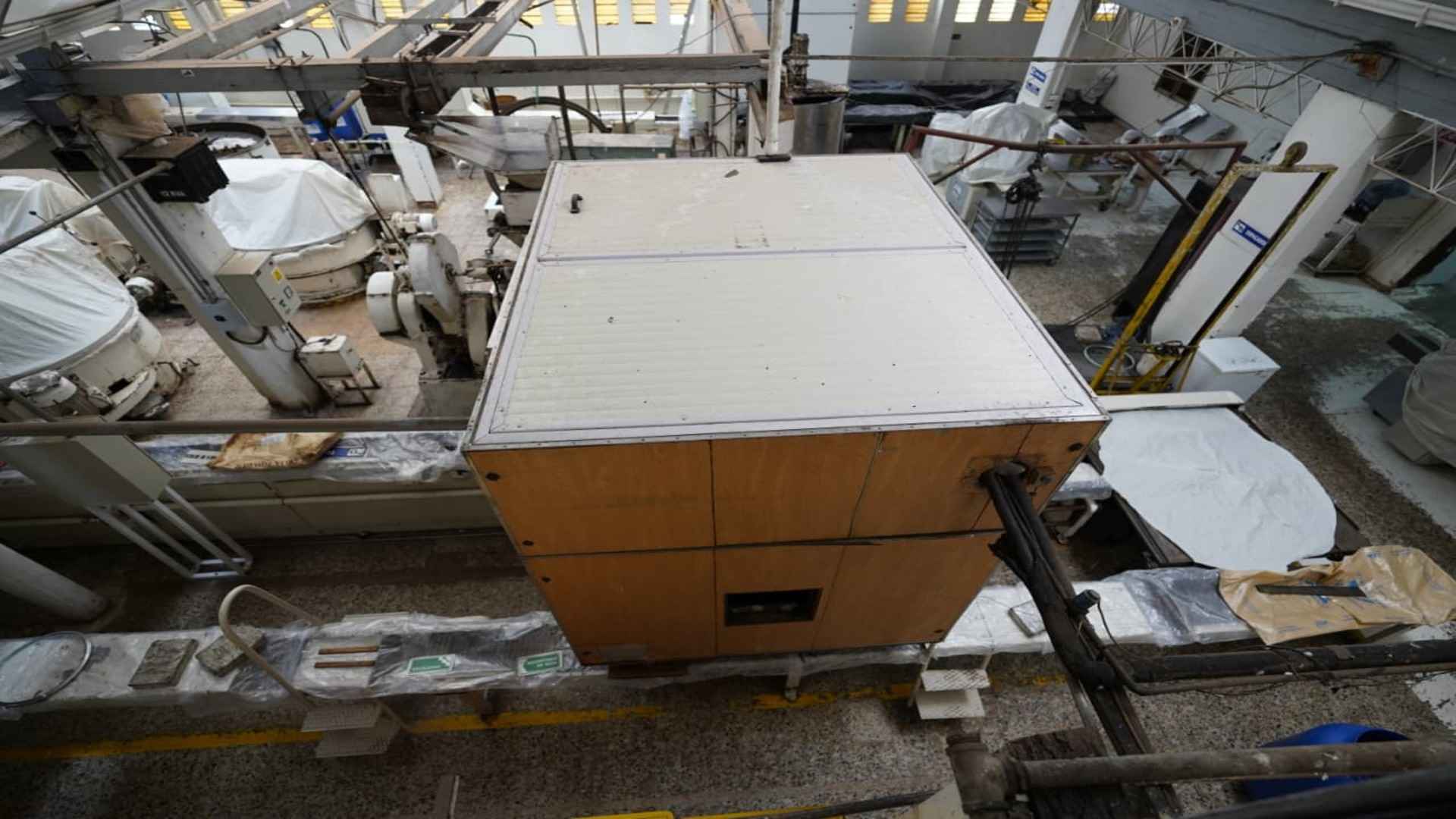
Over the following decades, machinery arrived from Italy that would drive the company’s production. Some of these machines are still in operation today, standing not only as working tools but as a true part of the city’s industrial heritage.
"It is the same machinery still used by the largest chocolate makers in the country." — Andrés Ríos de Chocolates Andino
Driven by this infrastructure, Chocolates Andino achieved a strong national presence. Dozens of trucks departed daily from Bogotá to distribute chocolate across regions, bringing the capital's signature taste to thousands of Colombian homes.
A Recipe Preserved Across Generations
In an industry where formulas often change with market trends, Andino decided to preserve what has made it unique since its inception.
The recipe continues to be almost the same as the one created by the family’s grandparents: chocolate made with Colombian cacao and designed to prepare the traditional hot chocolate that accompanies breakfasts and afternoon snacks for thousands of families.
“We’ve preserved the original recipe from our grandparents. We haven’t changed the proportions: it’s 100% natural, made with Colombian cacao.” — Andrés Ríos de Chocolates Andino.
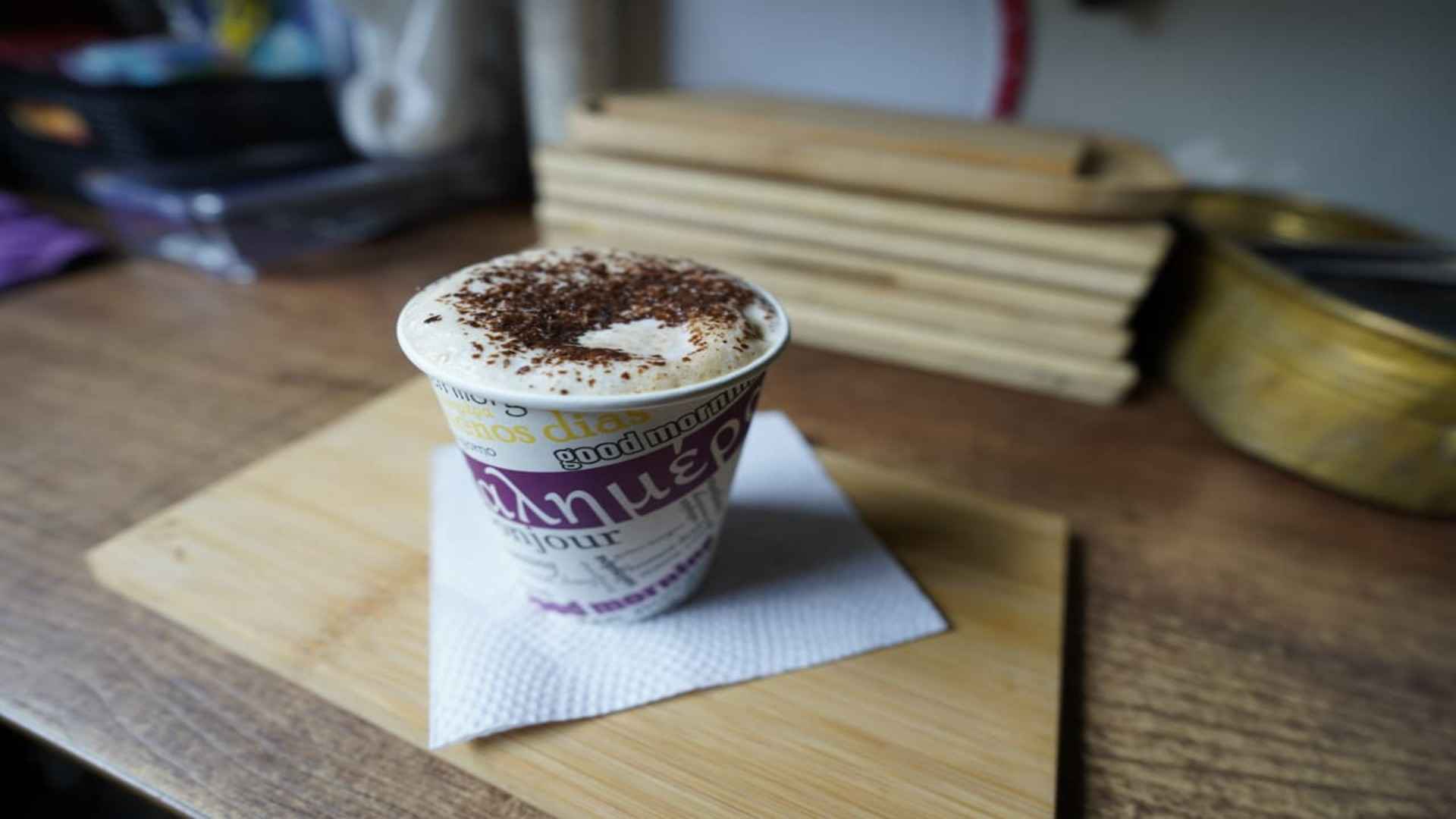
This devotion to cocoa also led the company to innovate. It was one of the first in Colombia to incorporate flavors such as cloves, cinnamon, and other spices into drinking chocolate—an approach that would be adopted years later by other brands in the country. Alongside their classic line, they produce flavors such as cappuccino and other bases for different preparations.
Remaining Faithful to Quality
The years also brought significant challenges, the rise of cocoa substitutes—products made with ingredients other than pure cacao—alongside the global cocoa crisis transformed the market, forcing many companies to rethink their strategy. For Chocolates Andino, the choice was clear: prioritize quality over competing strictly on price.
“We aren’t going to fight a price war against industry giants. What we chose to do instead was preserve the product’s original quality.” — Andrés Ríos, Chocolates Andino.
Today, the company continues to manufacture chocolate for various brands through contract production, supplies coffee shops and bakeries throughout the city, and keeps its traditional line alive for those who still seek the authentic, classic taste of real hot chocolate.
A factory that opened its doors to become an experience
Over time, the family realized that people didn’t just want to buy chocolate; they also wanted to know the story behind every bar and every cup. Thus began a new transformation.
What was once merely a retail store began to evolve into a café, a venue for cultural events, and a space where industrial heritage coexists with gastronomy and music.
Today, visitors to Chocolates Andino can enjoy a range of distinct experiences. The story of Chocolates Andino continues to unfold.
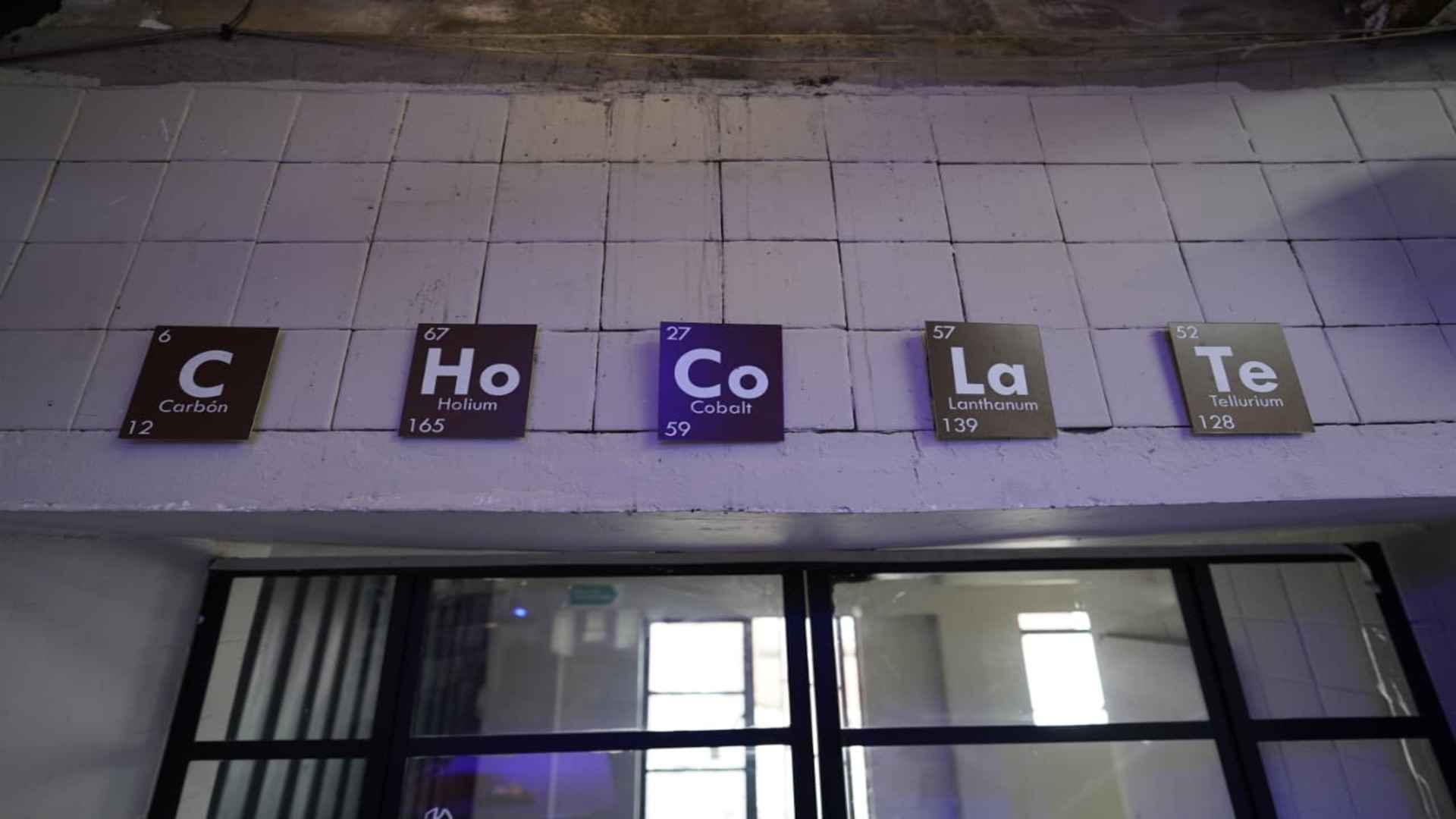
Among its most important projects is the creation of a chocolate museum. A space where visitors can learn about the production process, watch the old Italian machines in action, and discover how raw cacao is transformed into one of Colombia’s most iconic flavors.
“We already have the history; we already have the machines.” — Andrés Ríos, Chocolates Andino.
The initiative aims to allow schools, tourists, and chocolate lovers to enjoy an immersive experience, learn about the chemistry behind cacao, and even make their own chocolate bar while touring a factory that has been part of Bogotá’s history for nearly a century.
A Living Legacy at the Heart of Bogotá
In a city where new places to discover are constantly emerging, Chocolates Andino proves that some experiences remain timeless precisely because they honor their roots.
Its story is that of a family business that has adapted to changing times without compromising on quality; of a factory that evolved from supplying chocolate across the country to becoming a hub for community, culture, and tourism; and of a heritage that continues to captivate those seeking to discover the authentic flavor of Colombian cacao.
Visiting Chocolates Andino is like taking a journey through nearly a century of Bogotá’s history. It’s discovering that behind a cup of hot chocolate lie entire generations dedicated to preserving a living legacy that today invites locals and travelers to experience one of the sweetest stories the capital has to offer.
Because in Bogotá, certain places go beyond being visited: they are experienced, remembered, and, in this case, truly savored.