Historical Museum of the General Prosecutor's Office
📍 Carrera 13 # 18-51
In the heart of Bogotá, in the town of Santa Fe, there is a space that invites you to look at the recent history of the country, the Historical Museum of the General Prosecutor's Office. More than a place of exhibition, this museum is a scene of memory and reflection that connects the visitor to the social, political and judicial phenomena that have profoundly marked national life.
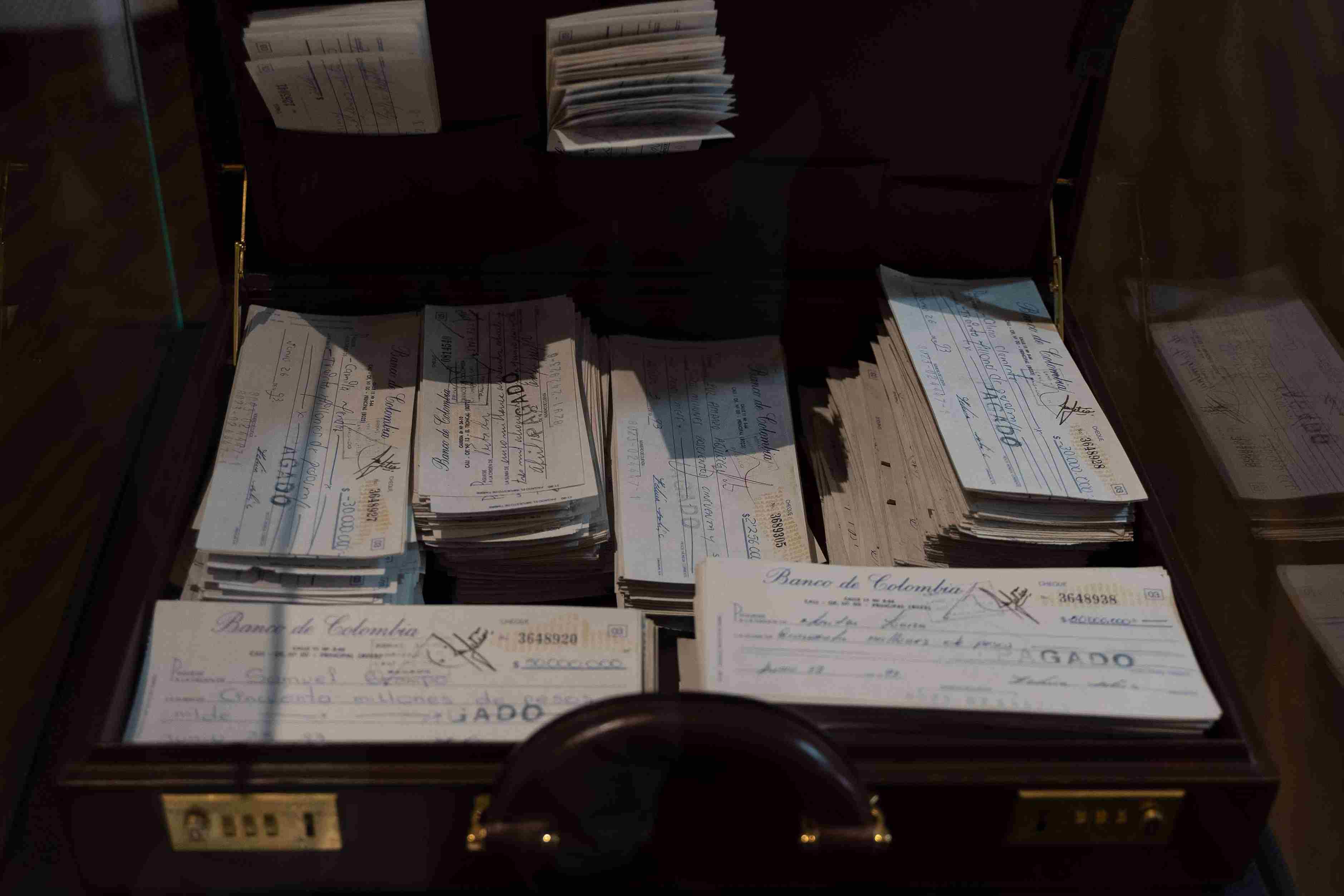
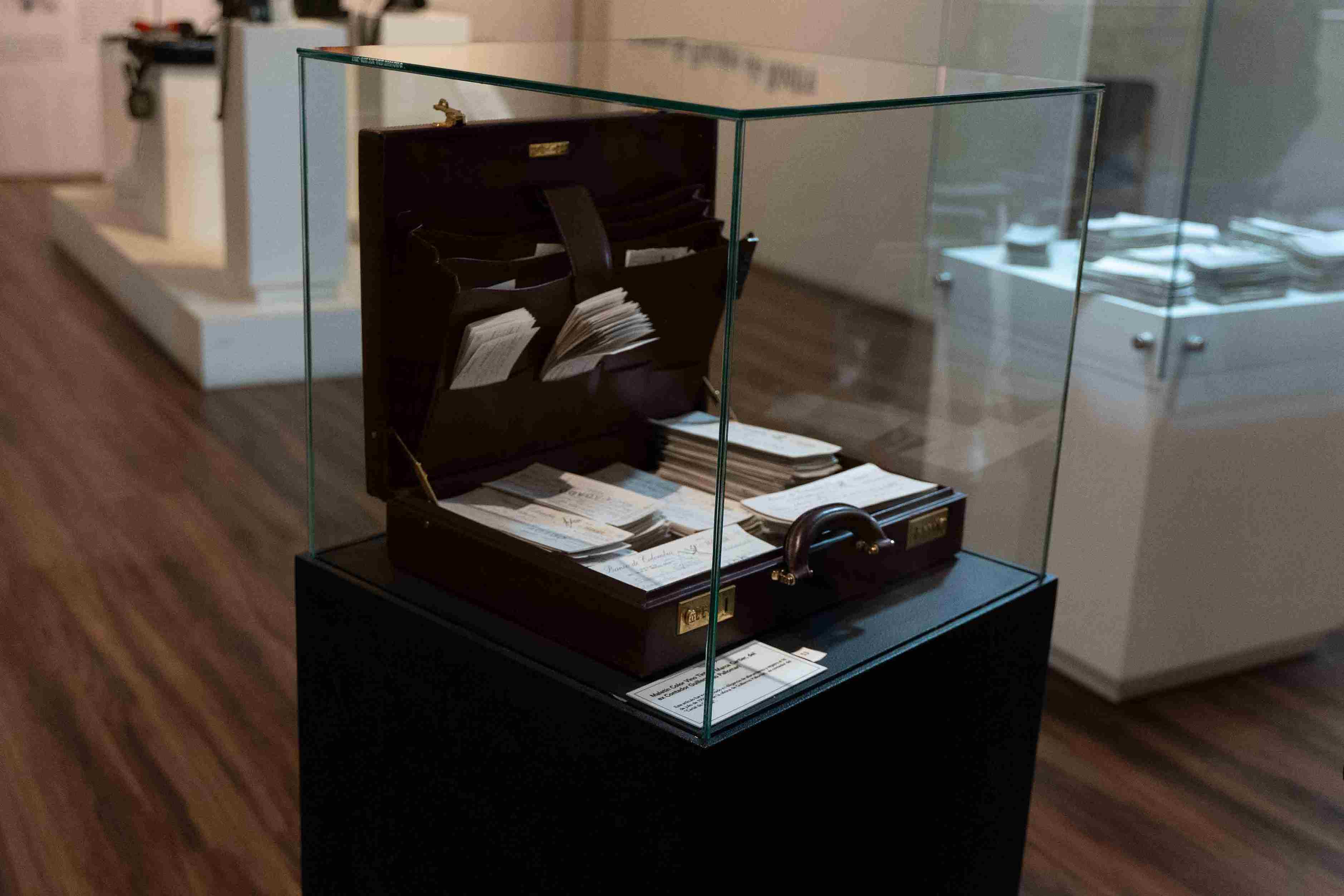
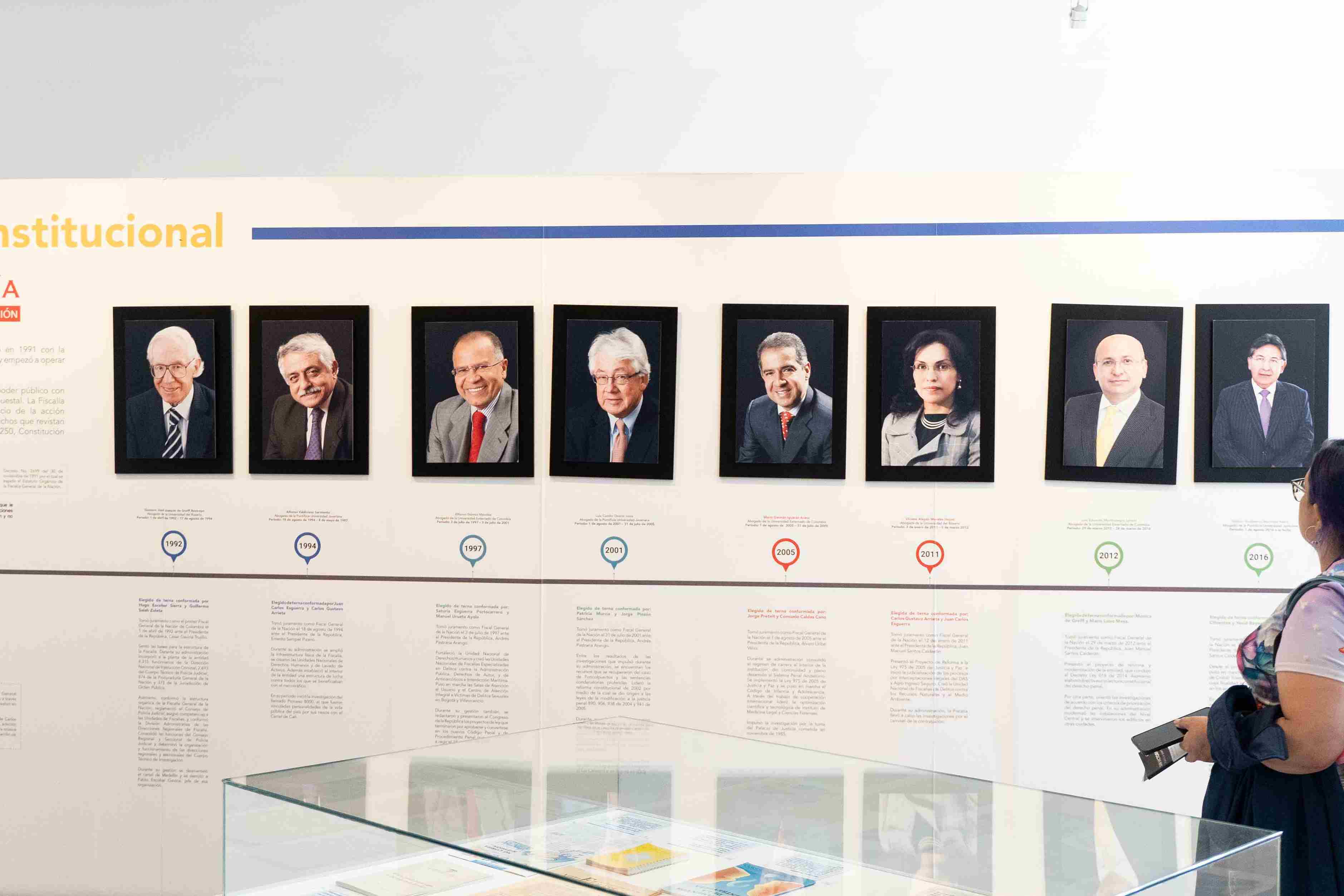
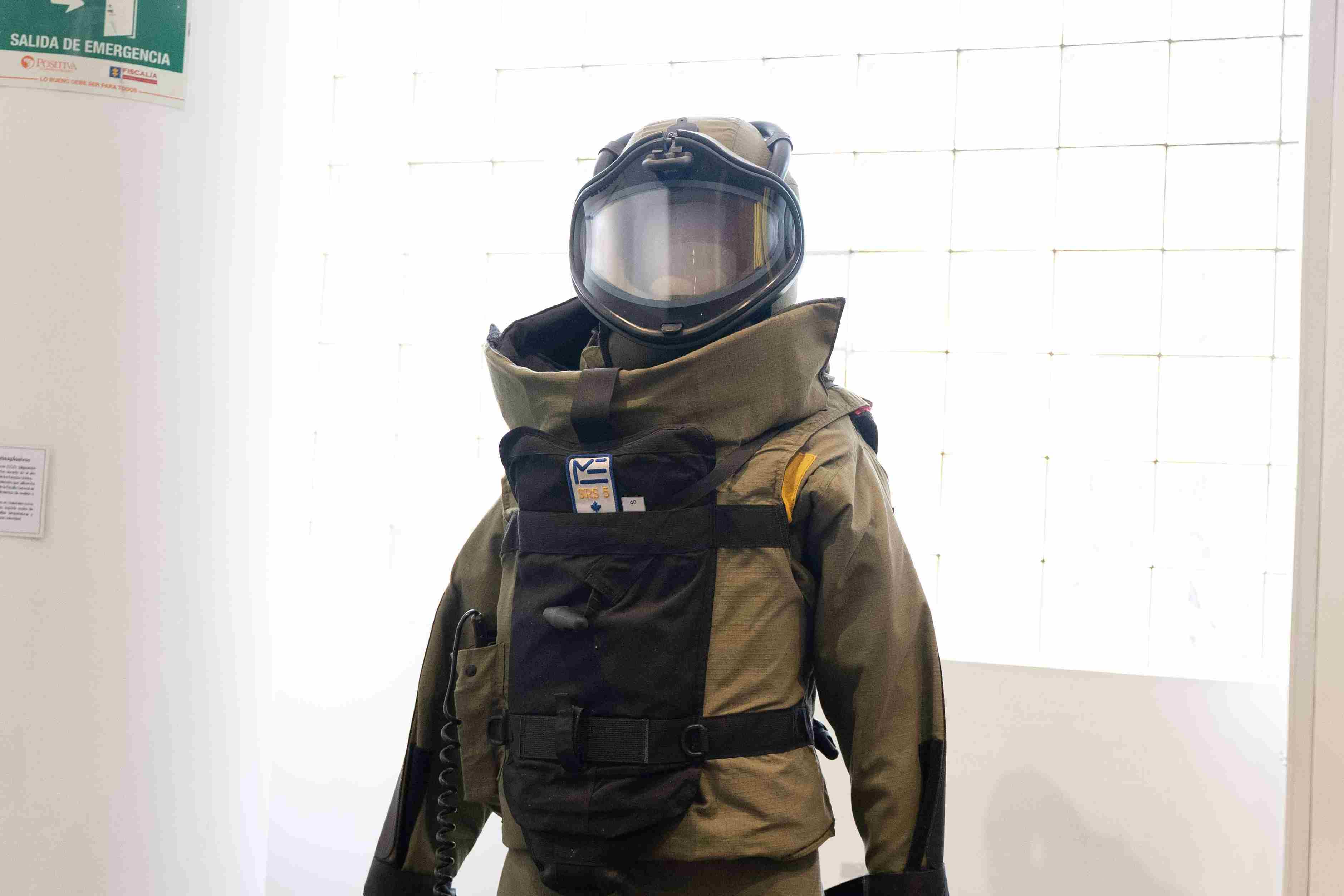
Its free and open tour from Monday to Friday leads to thematic rooms that address critical chapters: its institutional room, the 8,000 Process, the impact of drug trafficking, the path of the FARC-EP, paramilitarism and State crimes, as well as cases of corruption and illegal mining. In each space, the original evidence such as cheques, seized computers, judicial documents, testimonies and emblematic objects allows us to understand the magnitude of the challenges faced by Colombian society and the institutional response of the Office of the Prosecutor in the search for truth and justice.
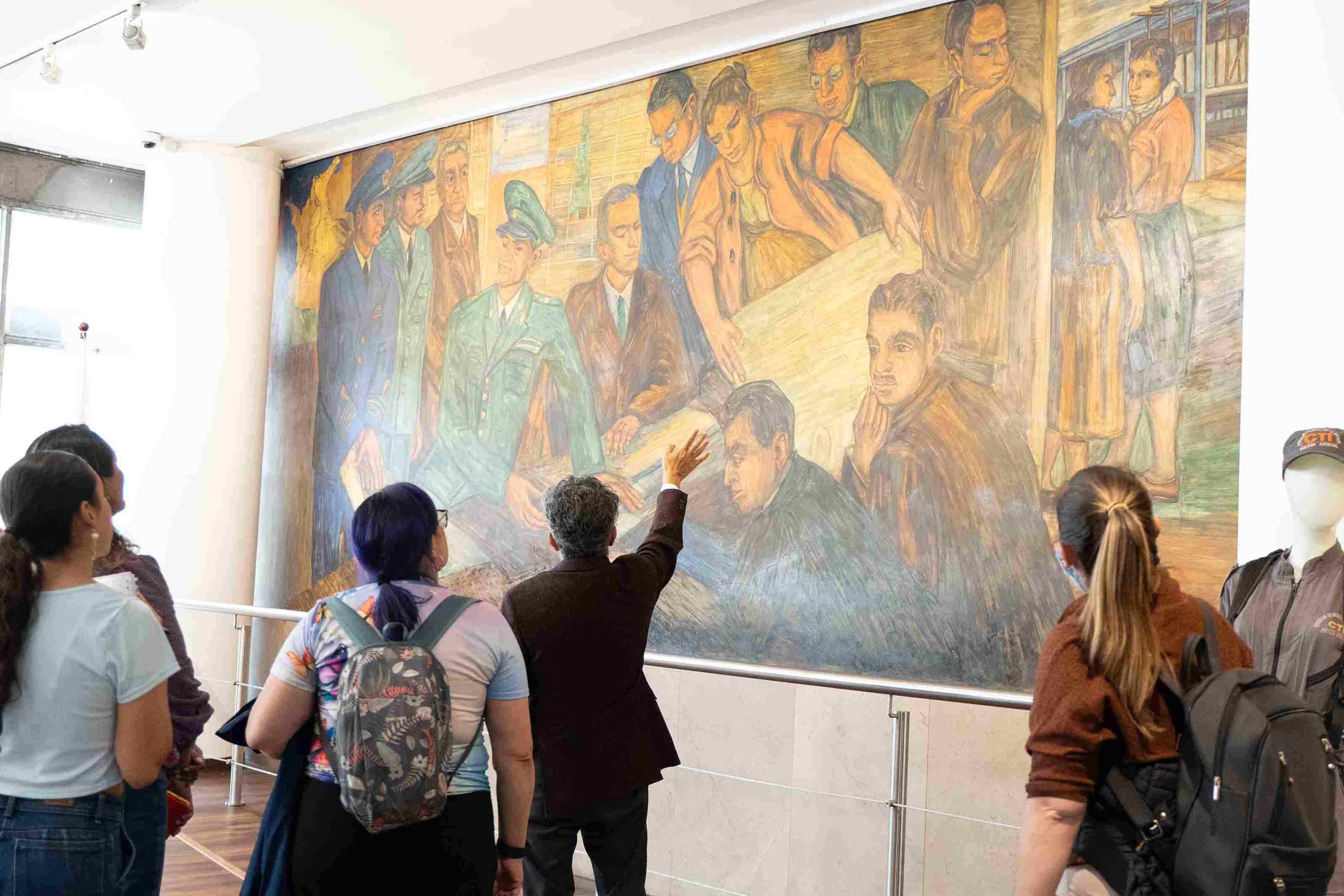
The museum is not limited to narrating criminal facts, it also dignifies the victims, visibilizes their stories and promotes an ethical reflection on the importance of memory and non-repetition. The experience is complemented by works by great Colombian teachers such as Ignacio Gómez Jaramillo and Pedro Nel Gómez, whose murals integrate art with justice and offer a closure full of symbolism and humanity.
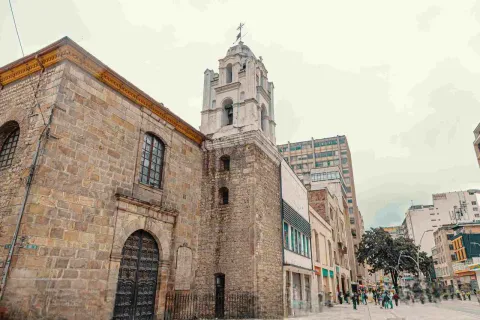
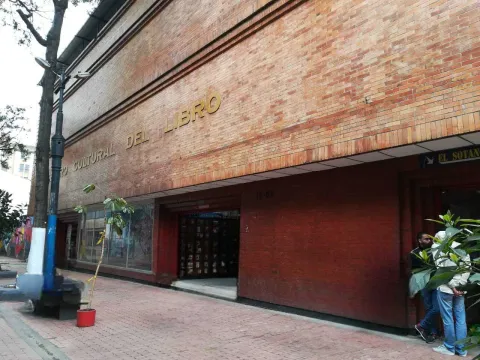
Located in the old building of the Institute of Territorial Credit, the museum is inserted into a territory of high historical and institutional value, surrounded by public entities and architectural heritage that make the centre of Bogotá a unique cultural node. Thus, visiting this space is also to travel the city from a different perspective, that of justice as part of the social and citizen construction.
The Historical Museum of the Office of the Attorney General of the Nation is consolidated as a cultural tourist attraction with great educational and social impact. Here, the visitor is not a passive spectator, but a critical interpreter who is immersed in the content with responsibility and respect, understanding that judicial memory is also collective memory. A visit that transforms, sensibilizes and connects with the essence of a country that continues to build peace and citizenship from truth and justice.
If you're coming by TransMilenio from the north of the city, take a bus that travels along Avenida Caracas. From the south, you can take the H13, H15, or H20 buses. Upon exiting the station, walk south and on Calle 19, turn onto Carrera 13 and continue to Carrera 13 #18-51. The walk from the station usually takes about five minutes.
If you prefer a taxi, simply give the driver the address of the museum. The driver will drop you off directly in front of the building, located in a very central area near Avenida Jiménez, Calle 19, and the historic center of Bogotá.
Don't forget to download the TransMilenio app to see all of Bogotá's public transportation routes.