Easter in Cundinamarca: the perfect combination of faith and taste
In Cundinamarca, Holy Week is not only a time of reflection and faith, but also a celebration of flavors that tell stories. From the traditional river fish to the irresistible amasijos and desserts of old, each dish is a journey through the culture and soul of this department. Prepare to discover a gastronomy that goes beyond tradition and delight you with the best of cundinamarquesa cuisine in this special season. Here, the fervor is lived with the heart... and the palate!
A journey of multiple flavors
The Holy Week in Bogotá and Cundinamarca is a time of reflection, tradition and, of course, of gastronomic delight. While the capital is full of religious fervor and its culinary offer is adapted to the season, a few kilometers away is a paradise of flavors ready to be discovered.
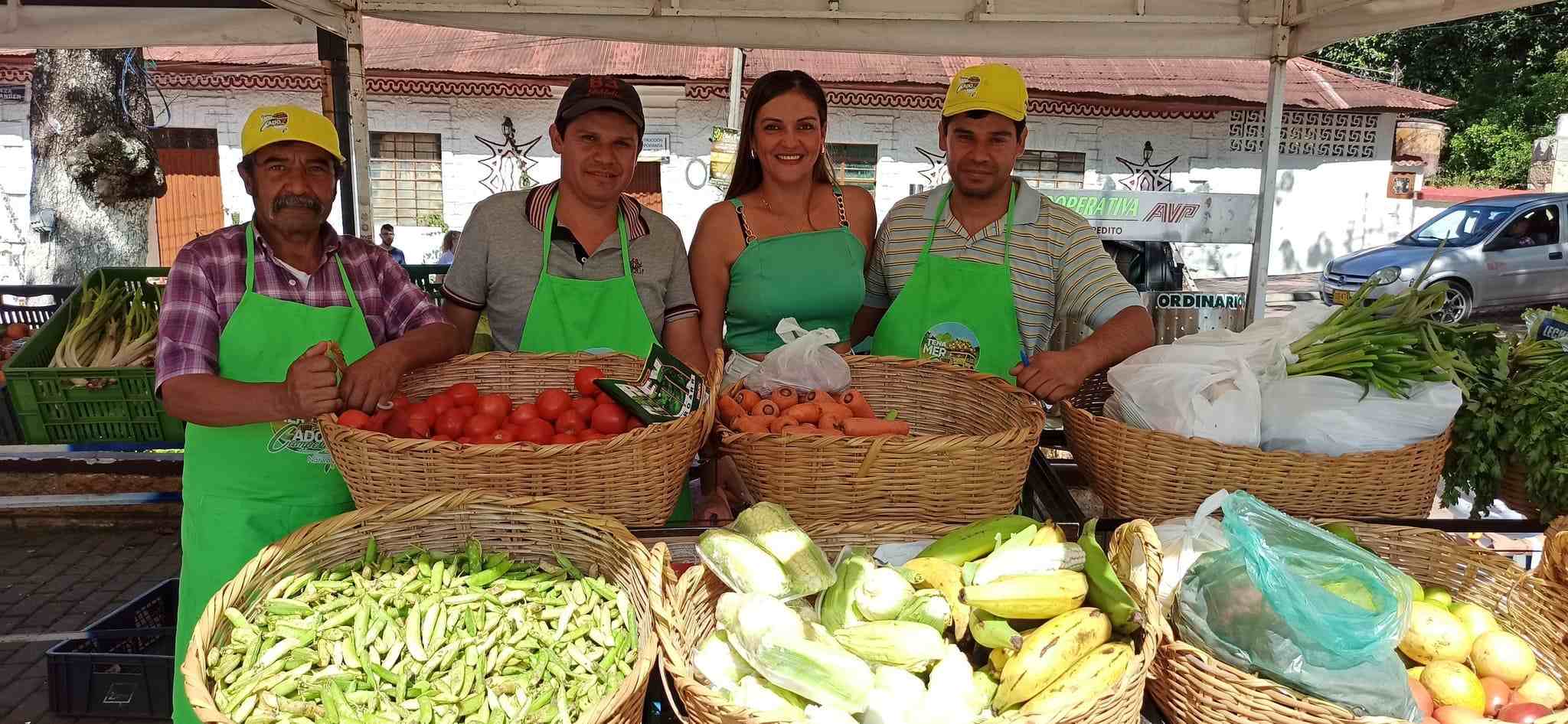
From Bogotá, it is easy to take a trip along the roads of Cundinamarca and to immerse itself in the gastronomic wealth of its provinces. In every corner of the department, market squares, restaurants and traditional kitchens offer dishes that combine history and taste, keeping ancient recipes alive.
Fish as a protagonist
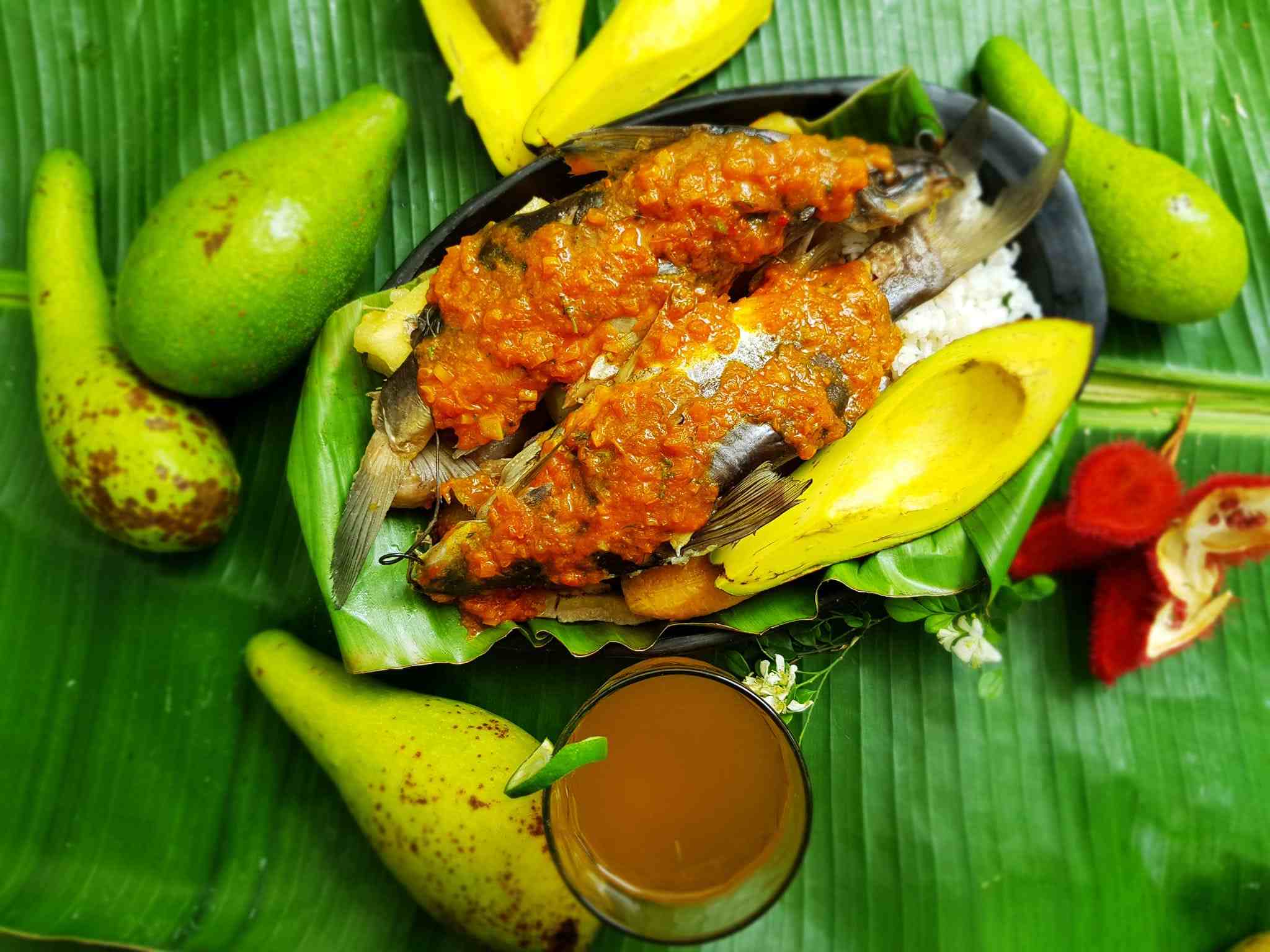
Following the customs of the Major Week, many cundinamarques choose river fish as the main ingredient in their meals. In Alto Magdalena, the capable widower is the star dish. This preparation, which is cooked with yuca, mazorca and banana, is served with aji and hogao, achieving a perfect balance between the traditional and the good table.
In the coastal municipalities of Bajo Magdalena and Tequendama, such as Girardot and Tocaima, fried fish with potato is a must, while in the towns of the province of Guavio is the trout al ajillo, accompanied by salad and potato creole.
The market squares, restaurants and popular kitchens adapt their menus this season, ensuring that fish and seafood are the protagonists in the tables.
Beyond 'Holy Food'
Despite the strong tradition of fish consumption, Cundinamarca's gastronomy is not limited to this option. Those who decide to expand their menu during Holy Week can enjoy other typical dishes that have been part of the department's identity.
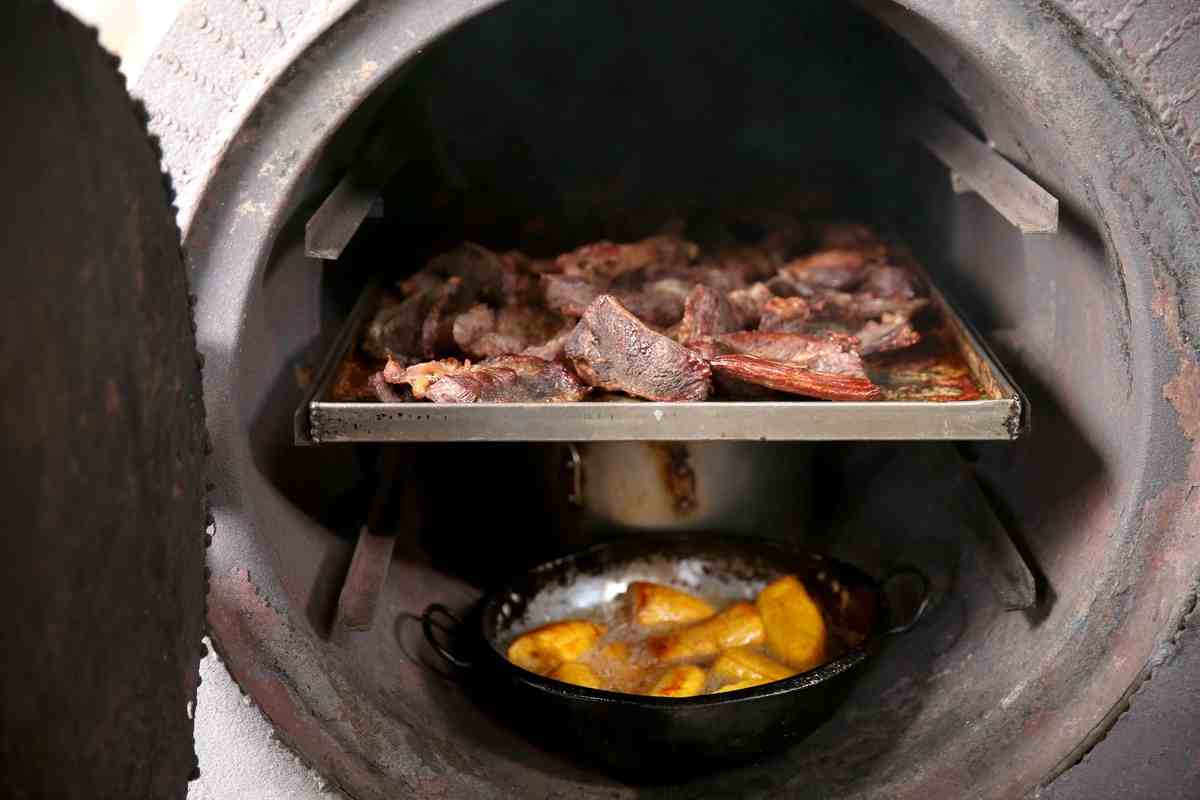
For example, in the Sabana Centro and the Sabana Occidental, fritanga remains one of the most emblematic dishes. A combination of longaniza, chicharra, morcilla, papa creolla and mature banana that, although not directly associated with the Major Week, remains an option desired by locals and visitors.
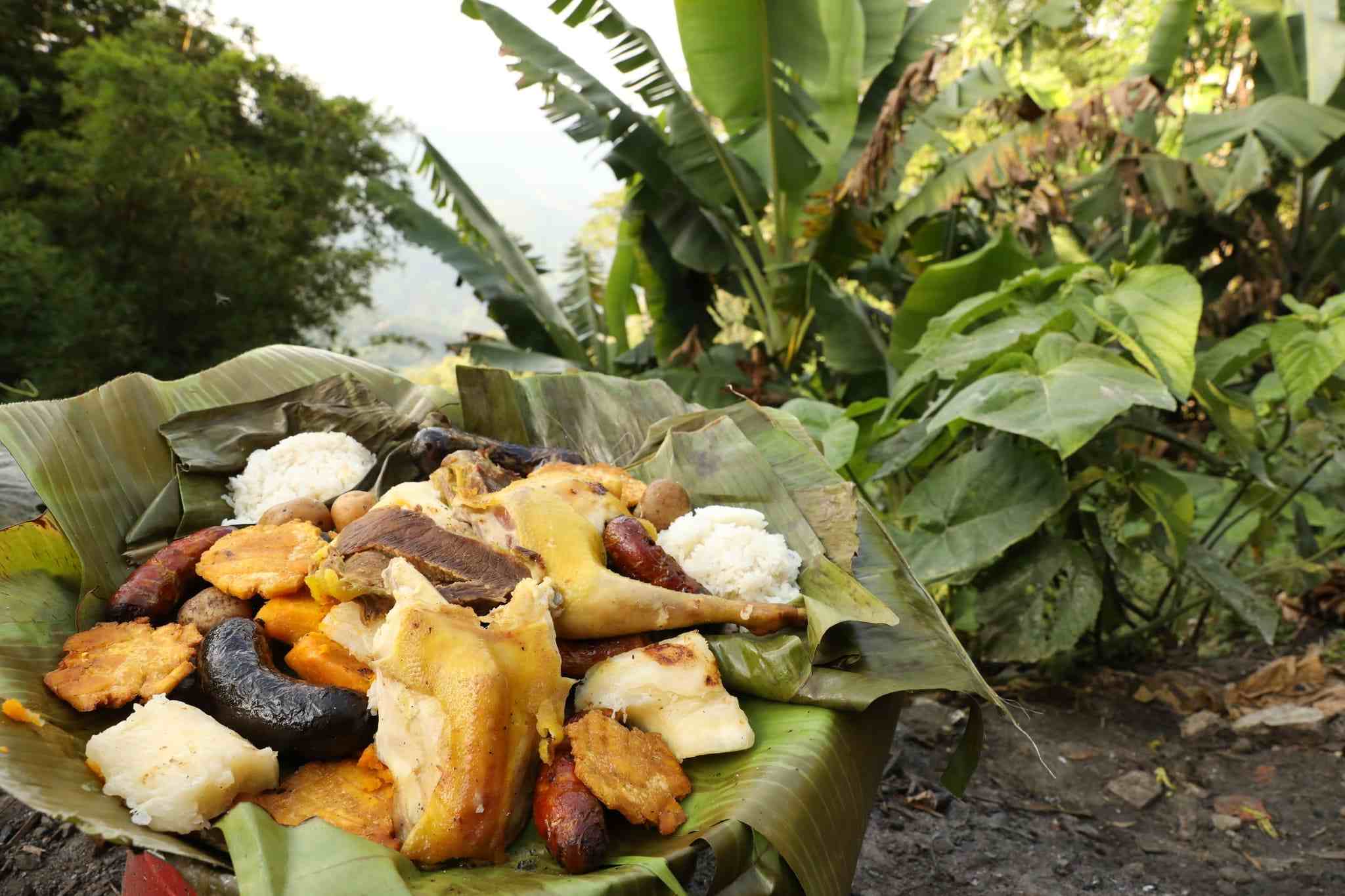
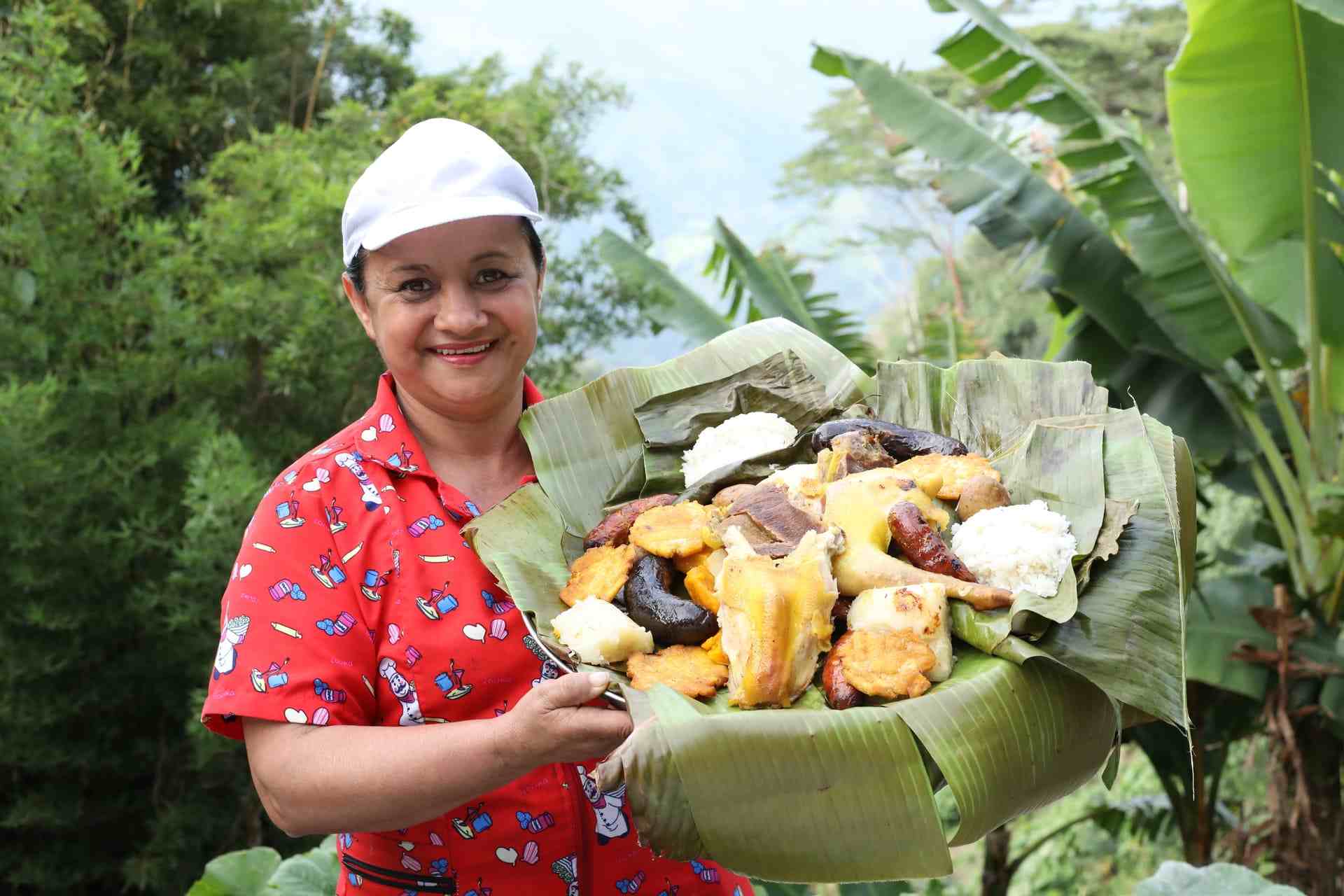
Another infaltable is the guaduero fiambre, originating in Guaduas, in the province of Gualiva. This bijao leaf wrap contains rice, pork, cooked egg and mature banana, making it a perfect dish to take and enjoy during the season trips.
The sweet flavors of Easter
If there's something that can't be missed at the cundinamarquesa table during Major Week, it's the sweet touch. The bakery and the amasijos are an essential part of the culinary tradition of the region.
The wafers with arequipe, the pillows, the cotuds and the pandeyucas are part of the traditional offer of the Sabana, while in municipalities such as Ubaté and Cucunubá, the curd with melao is the favourite dessert.
Other typical sweets include cream strawberries, papayuela candy and La Vega's resobado roscon.