
The 'Septimazo': guide to enjoy a classic bogotan ride
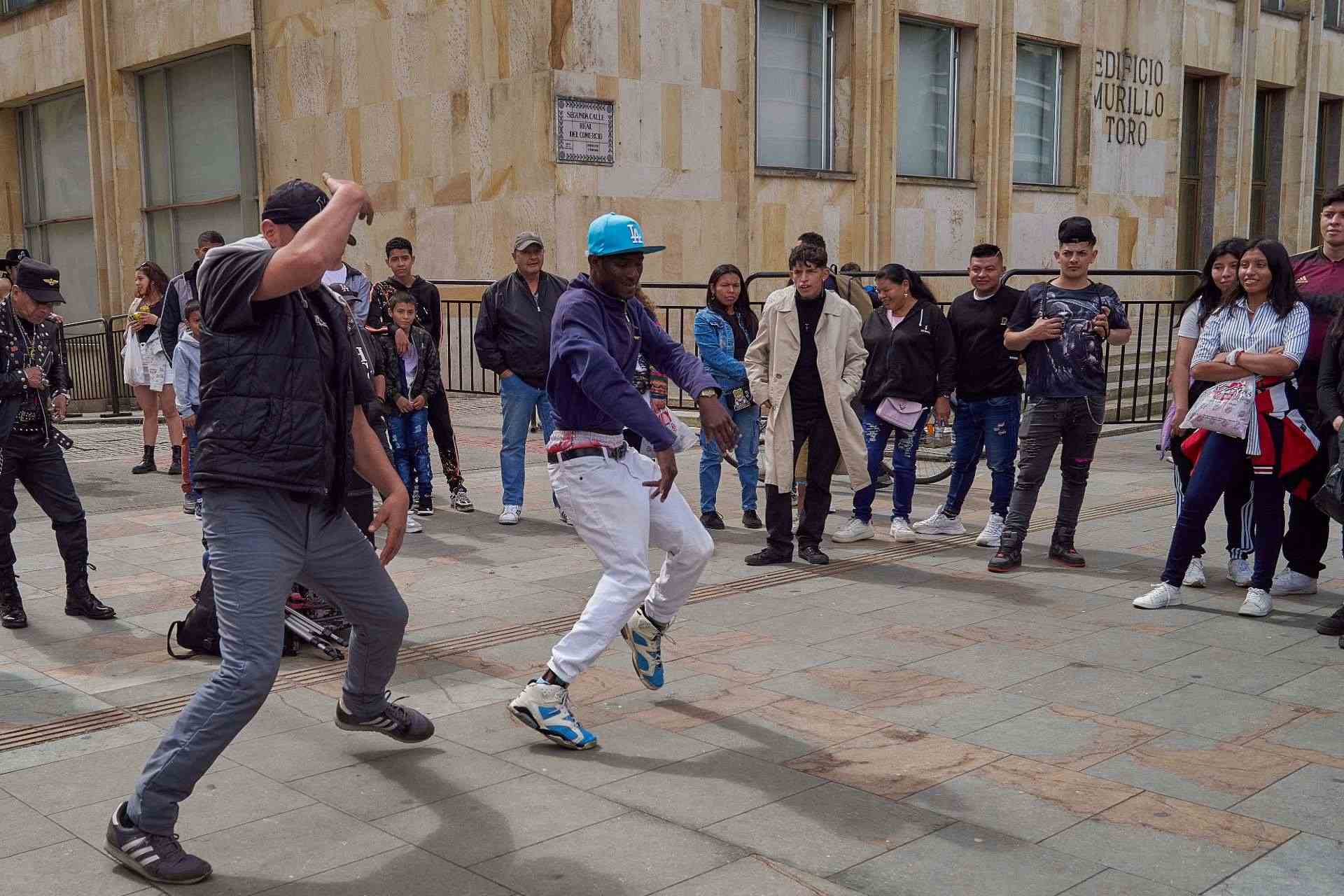
Although it is an emblematic city tour, it is also a reflection of the customs of the Colombian people. A tour that will allow you to know history, architecture and our idiosyncrasy.
Synonym of call, display, and recognition, the walk by the career 7a, in any direction, it is more than one of the most emblematic traditions of Bogotá: it is a way to know who and how we Colombians are. Although you can do the 'Stimazo ' any day of the week, we recommend that you choose the weekends, especially on Sunday, on which the sellers of crafts, antiques and collection items, caricaturists, dancers and urban artists are agolated.
And it is that beyond the imaginary citadine that contemplates that the Stimazo has precise limits between Plaza de Bolívar (race 7a No. 11 - 10) and the Parish of San Diego (race 7a No. 26 - 47), make it an almost endless path. At every step, in each street and with each postcard, it is consolidated as the most famous and picturesque street in the city.
The one that today is a way of national meetings and experiences, was known in the past as the Main Street or the Royal Street. He was later awarded other names: Seventh Avenue, Republic Avenue or Alberto Lleras Camargo Avenue. The truth is that it was raised on an indigenous road that the Spanish conquerors called 'Road of Salt or Tunja ' and that he was just communicating to the then Santafé with the Indian people of Usaquén and the Villa of Zipakirah.
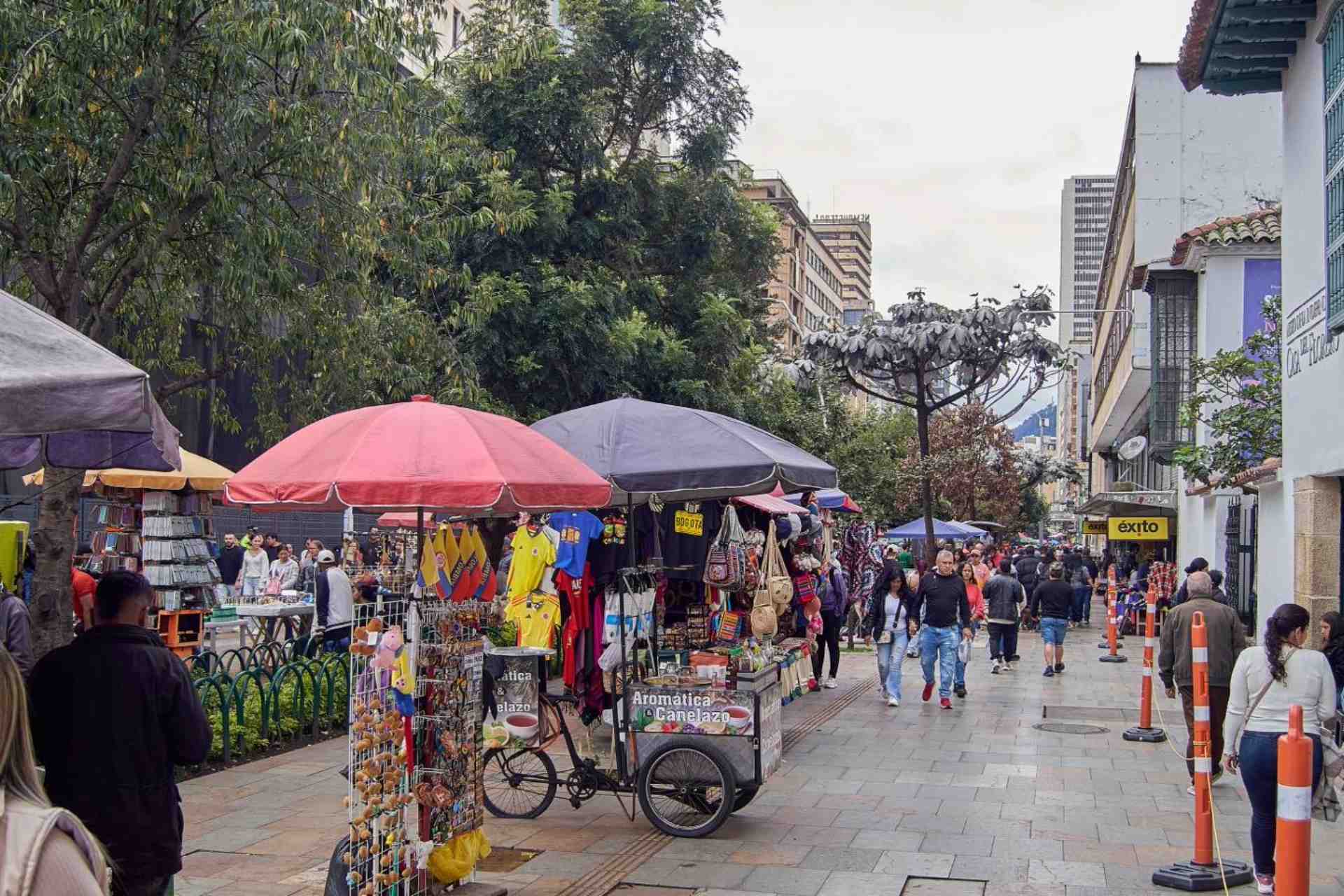
The multi-color septimazo is synonymous with national idiosyncrasy. Photo: Alberto Amaya - TDI Archive.
From South to North by Colombian History
On this unstoppable tour of the old Royal Street, from the first street to the north, to the 26th street, you can see iconic places that tell the history of our nation. You'll go through it. Temple of Saint Augustine, built between 1642 and 1668, and realizes the famous Battle of San Agustín: perhaps the first affront to be remembered among troops made up of liberal and conservative political supporters. There rest the remains of the independent heroin Policarpa Salavarrieta, shot in 1817.
You'll get to Nariño Palacea work that dates from 1906, official residence and main work site of the President of the Republic of Colombia. In its interior gardens is the first Astronomical Observatory built in America, designed and erected in 1803 by the Capuchin architect Domingo de Petrés and whose first director was José Celestino Mutis, the father of the Botanical expedition in America. You can also enjoy one of its courtyards, the Rafael Núñez Plazoleta, with its gardens and its dogrous columns, reopened in 2022.
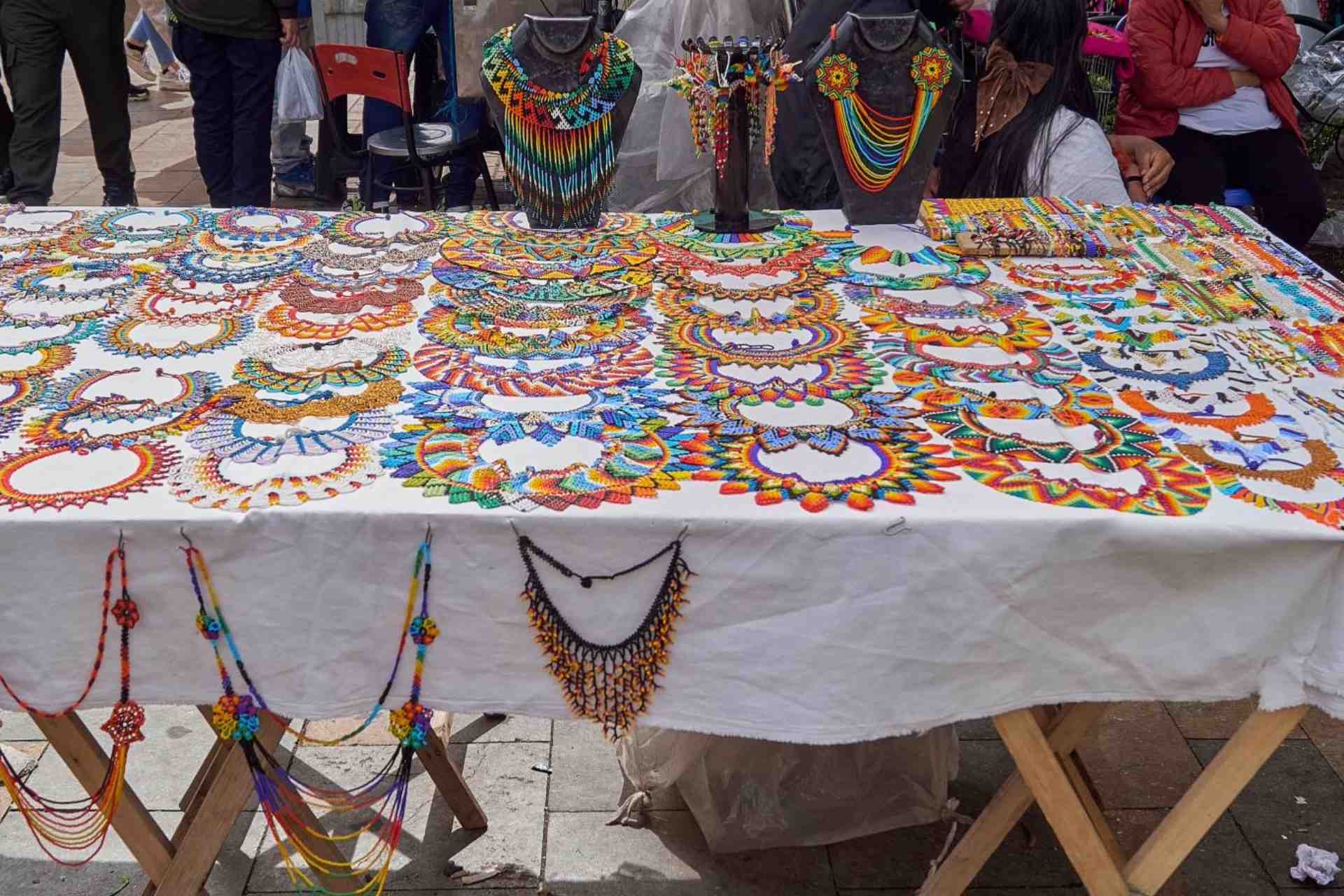
Street crafts are the best souvenir on this friendly tour. Photo: Alberto Amaya - TDI Archive.
The road will take you to the Plaza de Bolívar, a vibrant setting that is surprising not only for the variety of activities that occur there: from social mobilizations and cultural events to the buildings surrounding it: the Liévano Palace, built from 1843 under an architecture influenced by the French Renaissance style and headquarters of the Alcaldía de Bogotá; National Capitolone of the most representative constructions of the republican and neoclassical architecture of the city and headquarters of the Congress of the Republic; Palace of Justice, reconstructed by the M19 guerrilla takeover in 1985. Also, the Archbishopal Palace, Metropolitan Basilica Cathedral of Bogotá and Museum of Independence - Casa del Florero, located in an imposing colonial house more than 400 years old, built in the late 16th century, where the cry of national independence occurred on July 20, 1810.
A crucible of architectures
The septimazo is also a walk through the architecture and history of the seventh race. Sometimes colonial, sometimes framed by the popular and middle-class construction of the 19th century; in some places it is Republican, in others, neoclassical and even modern.
The seventh and its walk between going and coming from passers-by will bring at its way, between 8th Street and before 13th or Jiménez Avenue, a modern style of construction, in which the large buildings of low height stand out and which house warehouses with a homogeneous set of commercial premises. At this point, the Bank of the Republic, the giant building of Avianca - opened in 1969 and famous for being at that time 41 floors the highest in South America and almost perishing in the flames of a fire in 1973 - and the legendary Gold Museum: that houses the world's largest collection of pre-Hispanic goldsmiths. All those buildings are in the Santander Park, known in the Cologne as Plaza de las Herbas.
Finally, the tour will bring you to know the Municipal Theatre Jorge Eliecer Gaitán, opened in 1940; the Museum of Modern Art of Bogotá, Torre Colpaña - the highest skyscraper in the city and with a coffee view on its 55th floor - and the Centenary of Independence Park on 26th Street.
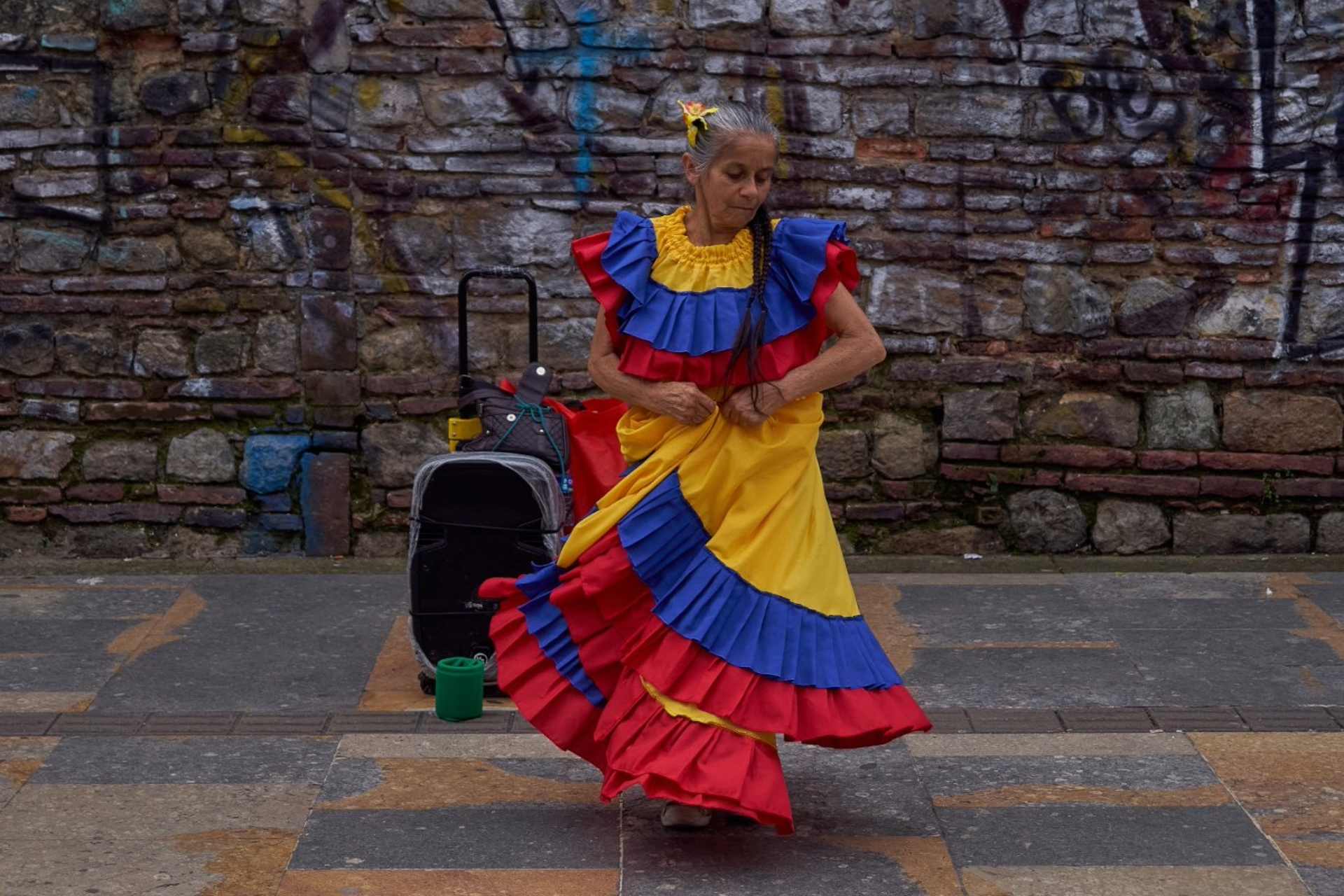
In the seventh, in each corner, an artist represents a piece of Colombian joy. Photo: Alberto Amaya - TDI Archive.
And it is that the heritage of the seventh race is not only found in the National Monuments or the Cultural Interests that surround it, it is also in the diversity of activities that it allows: there you can find our Colombia between games of chance, street entertainment, music, dance, food, laughter and even day and night rumba. Stimazo is a journey of delicious contrast. His walk offers the visitor a variety of shows: from military marches and political demonstrations to the street show of the mime, the cartoonist, the photographer, the tireless chess players and the sudden jazz, salsa, and indigenous music artists with their quenas and chargos.
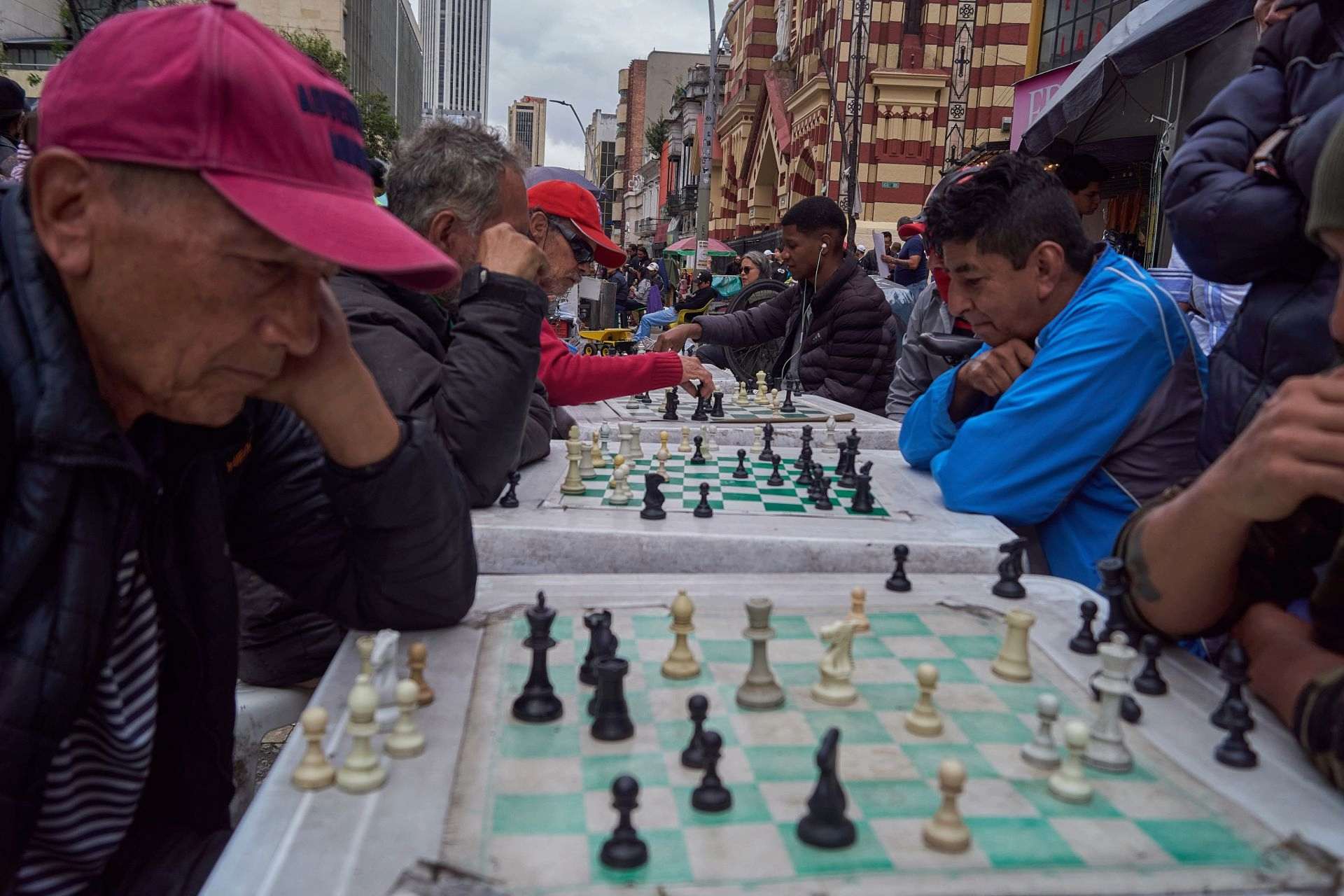
From music in all styles to endless chess tournaments, you can enjoy on the walk through the stimazo. Photo: Alberto Amaya - TDI Archive.