Of Loves and Breakhearts: Over 70 Years of Rock in Bogotá
Rock and roll in Bogotá has a rich history that began in the 1950s, when it arrived in the city as an Anglo-Saxon fashion, perhaps a fleeting one, but which—popularized by the radio—permeated a generation of restless young people and stayed not only in their memories, but in the very lives of Bogotá's residents.
Back in the 1940s and 1950s, as historian Jaime Gonzalo recounts in his text "La insurrección juvenil" (1993), with the spectacle of sound cinema, the rise of radio, and consequently the proliferation of music stations, rock music—then a fusion of various styles like rhythm and blues, country, gospel, and hillbilly—arrived in Bogotá to stay.
This social, cultural, and youth manifestation found its niche in the mid-20th century among youth who, as a social group, had remained in complete subordination, found in rock the rhythm to express their concerns, worries, and rebellions against a traditional and demure society.
That energy, rhythm, and lyrics addressing social, personal, and emotional themes struck a chord like no other genre. Those vinyl records scratched by young, inexperienced DJs quickly popularized rock music in Bogotá, whose almost marital relationship spans seven decades of love and heartbreak. Even though the city has had flirts and infidelities with other rhythms like bambuco, waltz, salsa, vallenato, and even reggaeton, its heart beats for the frantic and indelible rock sound.
At first, back in the 50s and 60s, those early flirts allowed the eager capital youth to fall in love with songs that promised an ideal world where one could be, as The Beatles sang in "Let It Be ", achieve the "Satisfaction" of The Rolling Stones, and live with equality in the imagined world of John Lennon.
However, like anything new, rock was not well received. A large part of adult, conservative Bogotá society pointed at it with anger and even repudiation, perhaps because its very definition—as writer Andrés Ospina warns in his Radio juvenil y rock en Bogotá, 1963-2004: ¿una historia fragmentada?—was that almost unnatural bodily gravitation back and forth (like that of a rocking chair) which was associated with impure movements and sexual connotations.
And although they say the devil knows more from being old than from being the devil, it was the youth who, starting in the 1960s, imposed their will, and this insistent, throbbing rhythm permeated households across all social classes in a matter of weeks, pushing aside the aged pasillos, porros, and waltzes that had previously been the delight of their parents when they were young and later as adults.
Rock: A Cultural Phenomenon
According to chronicler Félix Riaño in his "Historia del Rock Colombiano: memoria de un fenómeno cultural" (1992), rock established itself in Bogotá and its streets as it is and was: a social, cultural, and artistic phenomenon whose first audience was teenagers. That public reshaped urban spaces to listen and dance.
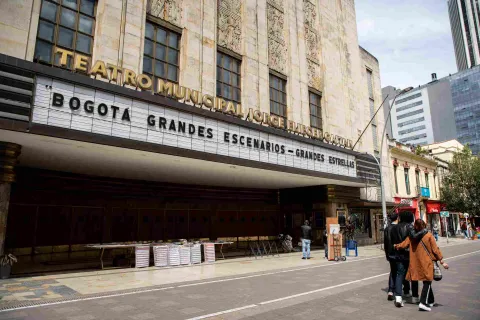
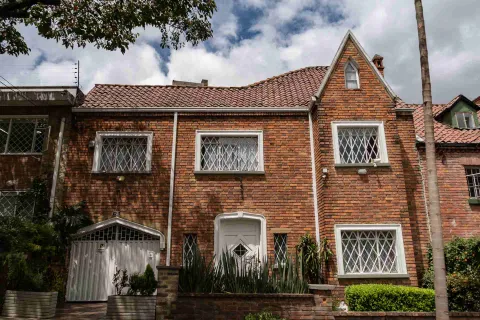
Thus, as music historian and journalist Umberto Pérez recounts in his book Bogotá, epicentro del Rock colombiano, entre 1957 y 1975, una manifestación social, cultural, nacional y juvenil (2007), two moments cemented the rock movement in Bogotá. One took place in late 1959 at the Teatro Colombia (now the Teatro Municipal Jorge Eliécer Gaitán) con el mano a mano musical entre dos de los primeros grupos colombianos. featuring a musical head-to-head between two of Colombia's first bands: Los Danger Twist and Los Dinámicos. Without knowing it, they were representing kids from different sectors of the city. As Pérez notes, "Right there at the Teatro Colombia, two bands weren't just facing off; they were also representing the kids from different parts of the city, who grouped themselves into rival packs or gangs." While Los Danger Twist represented the rock of the city's southern sector, Los Dinámicos represented the Chapinero area.
The other moment occurred on December 7, 1960, when one of the true pioneers of rock and roll, Bill Haley and His Comets, made an unexpected appearance at the Teatro Colombia.
Rock was unstoppable, and the youth who began meeting in the so-called grilles (nightlife spots) also took over venues once reserved for family gatherings. Such was the case with the park on Calle 60—later named "Parque de los hippies"—which, to the rhythm of songs by Elvis Presley, Buddy Holly, and Little Richard, became the headquarters of the countercultural phenomenon of those times. If specific landmarks deserve a mention, downtown, we must highlight the El Cisne café (Carrera 7 with Calle 26, right where the Colpatria Tower stands today), and in Chapinero, the A. Pamp store. Around that time, nearly 50 discos popped up all over the city
During this period of rock's germination in Bogotá, musical groups such as Los Strangers, Los Be Boops, Los Silver Thunders, Los Caminantes, Los Desconocidos, Los Rebeldes, and Los Electrónicos burst onto the scene, rehearsing in their homes due to a lack of recording studios.
In Bogotá at the End of the 20th Century
From the late 1970s through the 1980s, Bogotá found itself at a crossroads regarding the identity and essence of rock. The arrival of new styles redefined a genre that, shaped by shifting preferences, would never be the same again. Disco, rap, hip hop, metal, trance, techno, and house, among others, branched out from a rock sound that, while still singing to the same concerns, no longer dressed the same or danced alike.
These new styles and trends gained ground in venues across Chapinero, downtown, and the southern sector of the city. La Gioconda, located in the Pasaje del Libertador on Calle 63, was considered the city's first nightclub. From there emerged the moniker "cocacolos", a nickname used to identify the youngsters, as they could not drink alcohol and drank the famous soft drink instead. As the aforementioned Umberto Pérez recounts in his book Bogotá, epicentro del Rock colombiano, entre 1957 y 1975: "These youth gatherings began to be called cocacolas bailables, as the kids packed the venue on Saturday and Sunday afternoons to listen and dance to rock, especially live acts. But since they were underage and alcohol consumption was forbidden to them, they drank juices and sodas like Coca-Cola."
Another mandatory stop for the most discerning crowds was Carrera 15 between Calles 72 and 116, home to the city's most prolific and finest clubs, where Keops, Fuente Azul, and Chicle stood out by the mid-1980s—venues known as "minitecas" due to their massive influx of high school crowds.
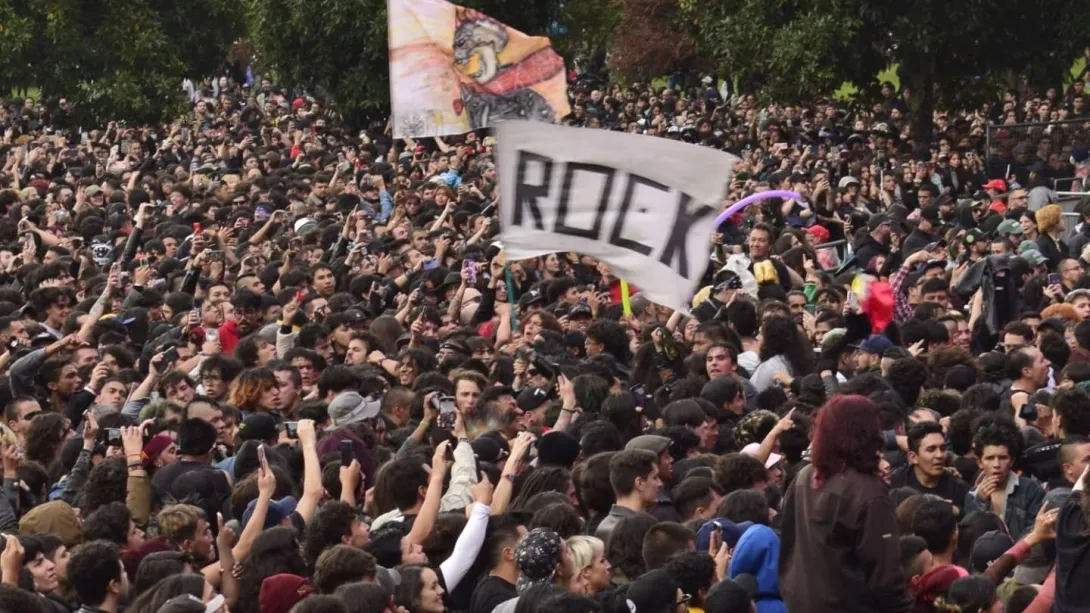
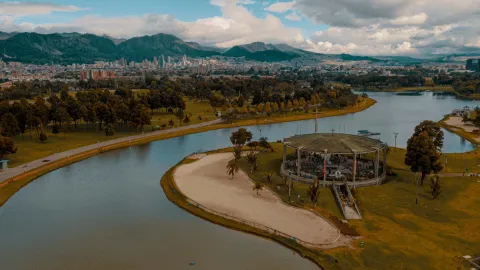
And it wasn't until the 1990s that rock music in Bogotá really took to the streets... or rather, to the parks, finding its natural home since 1995 at the Simón Bolívar Metropolitan Park following its very first edition at the Plaza de Toros (now the La Santamaría Cultural Venue).
In the new millennium, rock takes over Bogotá's Parks
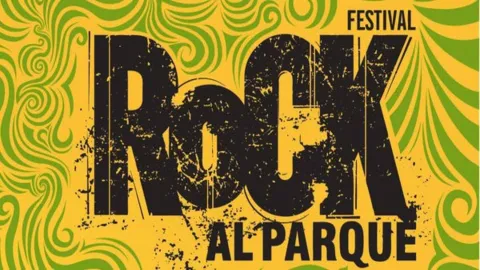
Bogotá, which surpassed ten million residents, has reconfigured its spaces through music and its various genres. While the rock scene was once lived out in bars, today it has moved to parks like Simón Bolívar, now the venue for the legendary Rock al Parque, an experience for visitors and tourists featuring top-tier performances and international production standards.
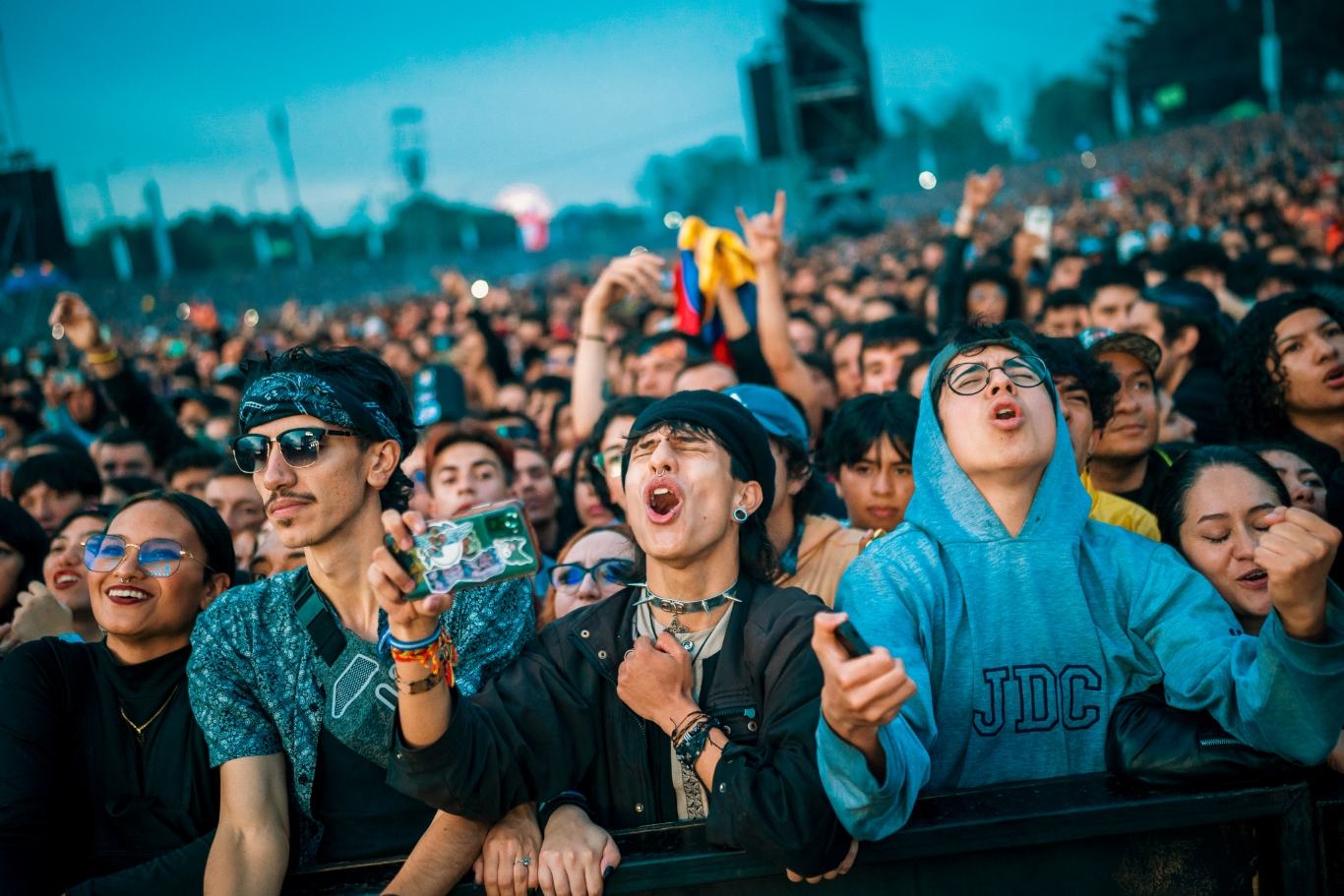
But this idea of transforming recreational spaces into musical stages is not new; naturally, it stems from the Monterrey and Woodstock Festivals (which lasted three days and took place in August 1969 in Bethel, a town near New York), featuring some of the world's leading rock musicians and attended by nearly half a million hippies.
These events inspired similar attempts in Colombia back in the 1970s. The first was "El Festival de la Vida", held on June 27, 1970, at the National Park. As Umberto Pérez points out in his book Bogotá, epicentro del Rock colombiano, entre 1957 y 1975, "It was attended by nearly 10,000 people, summoned through a promotional campaign based on flyers that simply contained the word rock." The second open-air concert, established as "El Festival de la Amistad", took place on December 2 of that same year at the Media Torta Theater with performances by several bands, including La Gran Sociedad del Estado, Terrón de Sueños, La Banda del Marciano, and the duet Ana y Jaime.
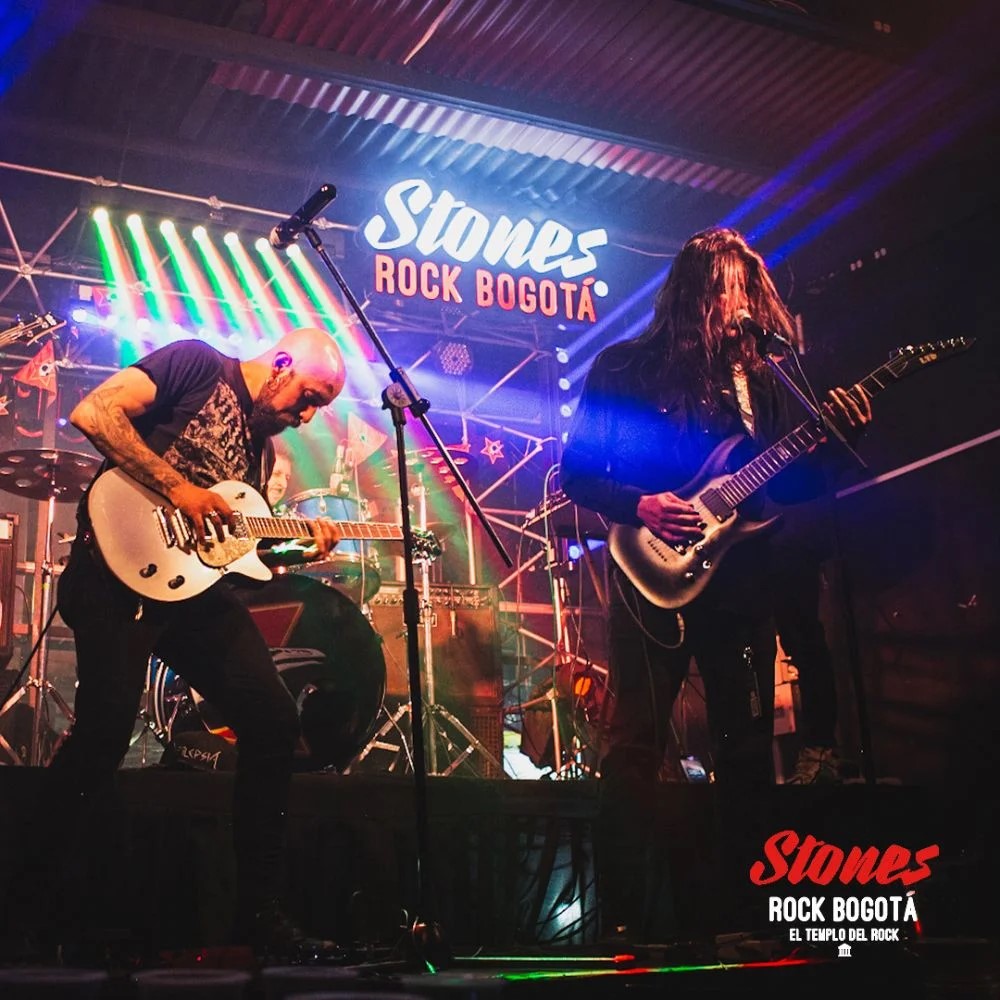
ock music and Bogotá share a story that is only just beginning. Today, international artists see the city as a prime stage to perform before an increasingly discerning audience. Legends such as Paul McCartney, The Rolling Stones, Elton John, Foo Fighters, and Metallica have all passed through the capital, while newer generations have rocked out to Maroon 5, Café Tacvba, Molotov, and local favorites like Juanes, Aterciopelados, and La Derecha, among many others.
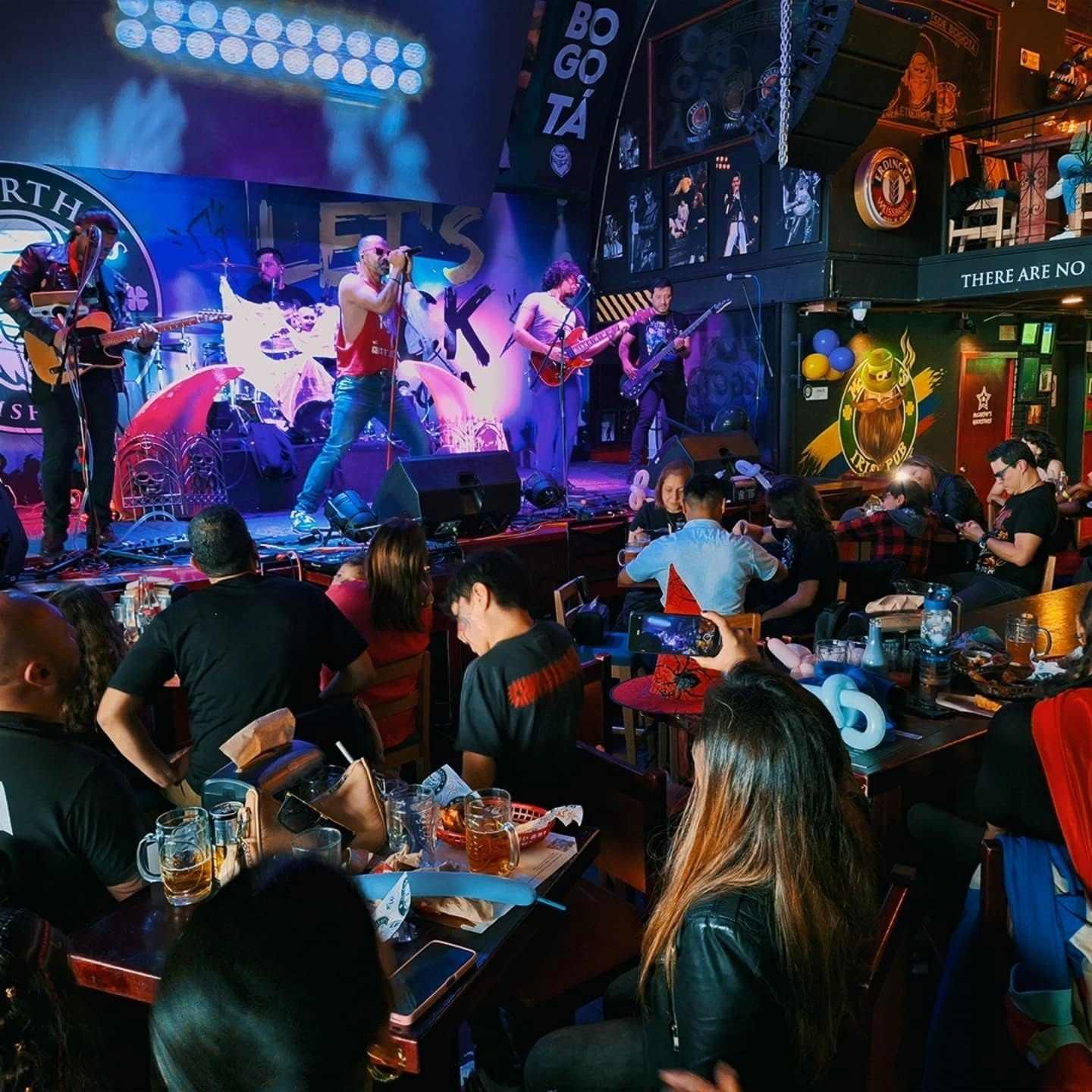
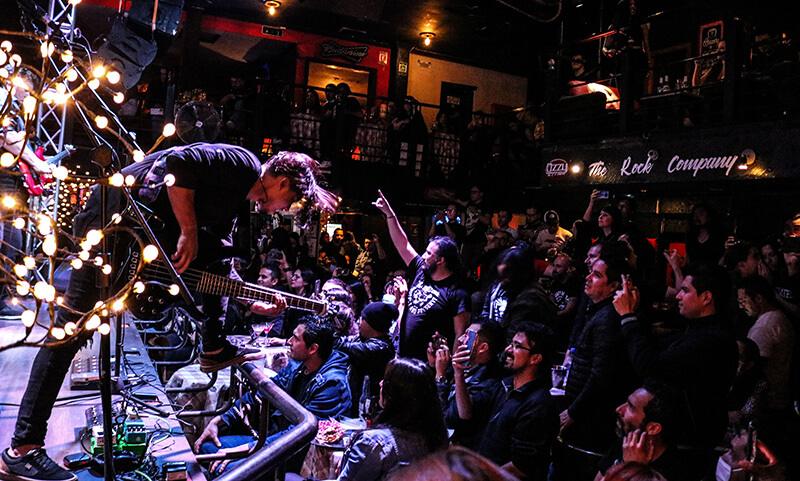
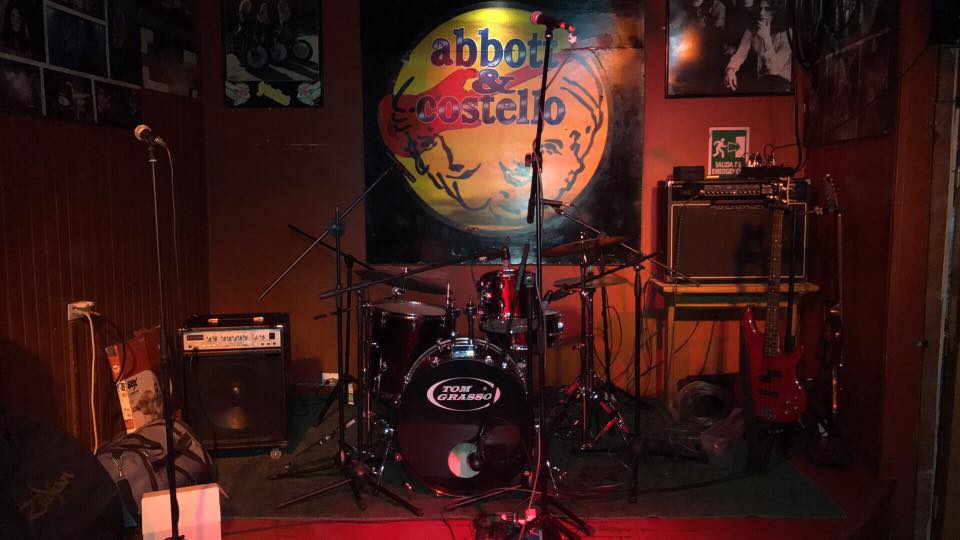
Rock and roll in Bogotá, after seventy years of history, is not just music; it is a lifestyle that broke out from inside living rooms, thrives in its beautiful parks, and rocks the night away in special spots. If you want to check out some places to enjoy rock in Bogotá, we invite you to visit Abbot and Costello Rock Bar, Ozzy Company, and Stones Rock Bogotá—ideal venues for fans of 60s and 70s sounds. For more modern sounds, Bohemian Station (Transversal 35 #37-45 South), McCarthy's Irish Pub (Calle 81 #11-44), and Ace of Spades (Avenida Boyacá #51-25) are absolute must-visits
Because in Bogotá you can listen to rock, but you can also wear it, collect it, trace its history, discover new bands, and live it day and night.
Plan your route and find more experiences at Visit Bogotá
Related content
-
Artículo
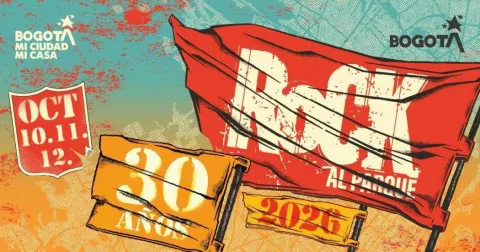 ¡Queremos rock! Revelado su cartel, Bogotá se prepara para celebrar 30 años de Rock al Parque
 -
Artículo
 September Sounds, Creates, and Comes Alive in Bogotá: An Itinerary for Exploring the City That Has It All
 -
Eventos
 Rock al Parque 2026
 -
Atractivos
 Simón Bolívar Park
 -
Atractivos
 Jorge Eliécer Gaitán Municipal Theater
 -
Atractivos
 Chapinero
 -
Atractivos
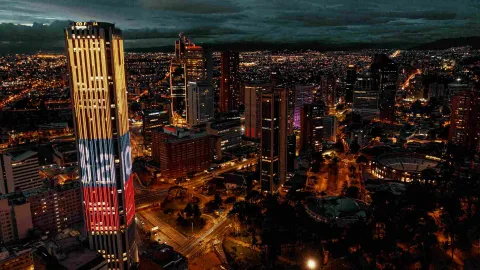 Colpatria Tower
 -
Atractivos
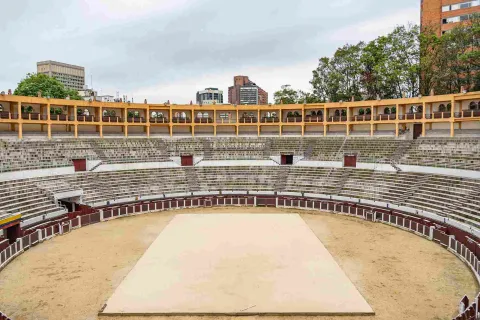 La Santamaría Cultural Venue
 -
Atractivos
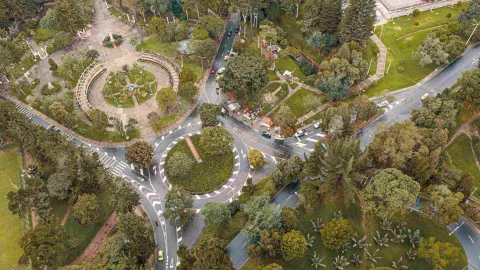 Olaya Herrera National Park
 -
Atractivos
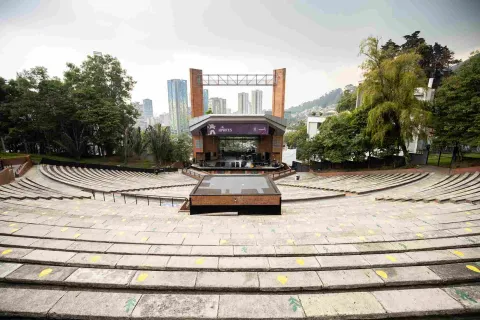 La Media Torta