
Bogotá and Its Wetlands: A City Where Nature Also Thrives Among Neighborhoods
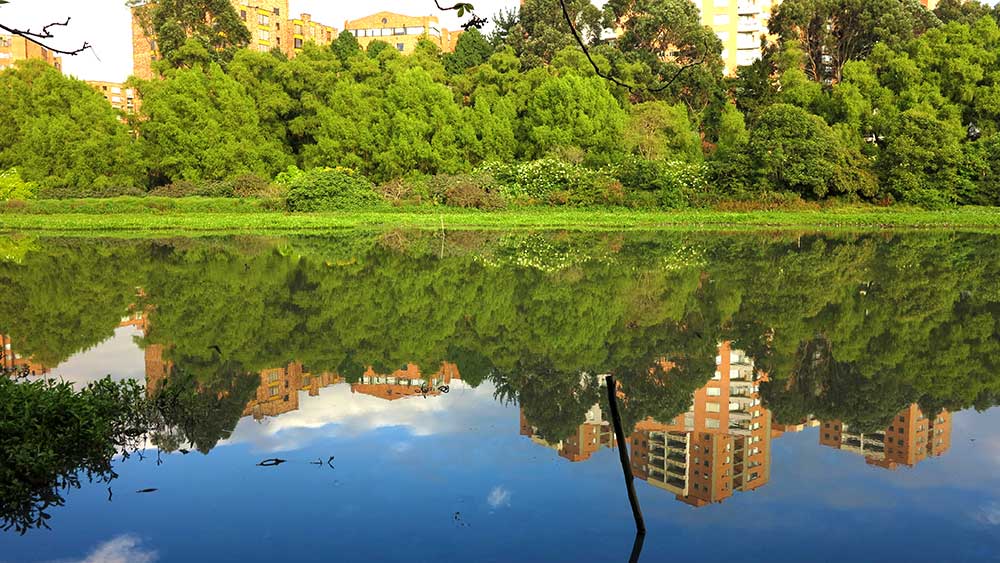
Bogotá is home to 17 District Wetland Reserves, 11 of which are part of the Urban Wetlands Complex, internationally recognized as a Ramsar site.
These "chucuas," as the Musica people called them in ancient times, are a tourist attraction of great natural and environmental value, ideal for those looking to discover a different side of the city.
These ecosystems offer spaces to enjoy the scenery, birdwatch, photograph nature, and environmental education, making them prime destinations for ecotourism.
If you're exploring Bogotá and want to visit these natural areas, we recommend five wetlands with well-maintained trails and access points that offer different ways to enjoy their environmental richness. It's important to keep in mind that not all of them are visited in the same way: while some allow access via designated trails, others —such as Jaboque and Juan Amarillo—are best experienced through guided tours or pre-scheduled activities led by environmental interpreters.
- Santa María del Lago: A First Look at Bogotá's Wetlands
Engativá | Ideal for: first-time visitors, families, and birdwatching
If you've never explored a wetland in Bogotá, start here.
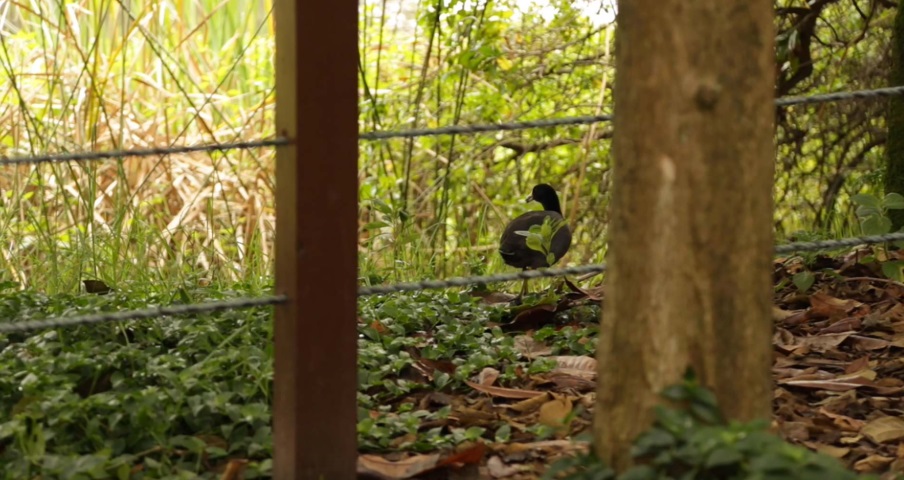
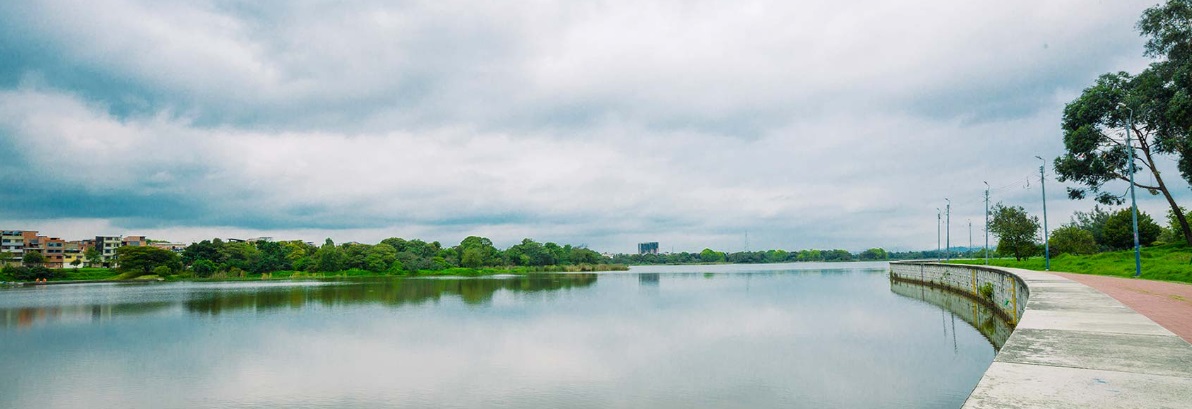
Santa María del Lago preserves 10.8 hectares of nature in the heart of the city's western district. Its body of water is surrounded by reeds, trees, and vegetation where you can spot Bogota Rail, Apolinar's Wren, Yellow-hooded Blackbird, Pied-billed Grebe, and migratory birds.
The experience quickly brings home one of Bogotá's great contrasts: you can be surrounded by buildings and, just a few steps later, be walking along the water's edge listening to birds.
Suggested time: 1 to 2 hours.
After the tour: If you're looking for another nature experience, head to the José Celestino Mutis Botanical Garden and its Tropicario—a large complex of greenhouses that recreates four different Colombian ecosystems in one place—and Simón Bolívar Park, Bogotá's largest green lung.
- Córdoba: Córdoba: Walk, Listen, and Wait
Suba | Ideal for: birdwatching and nature photography
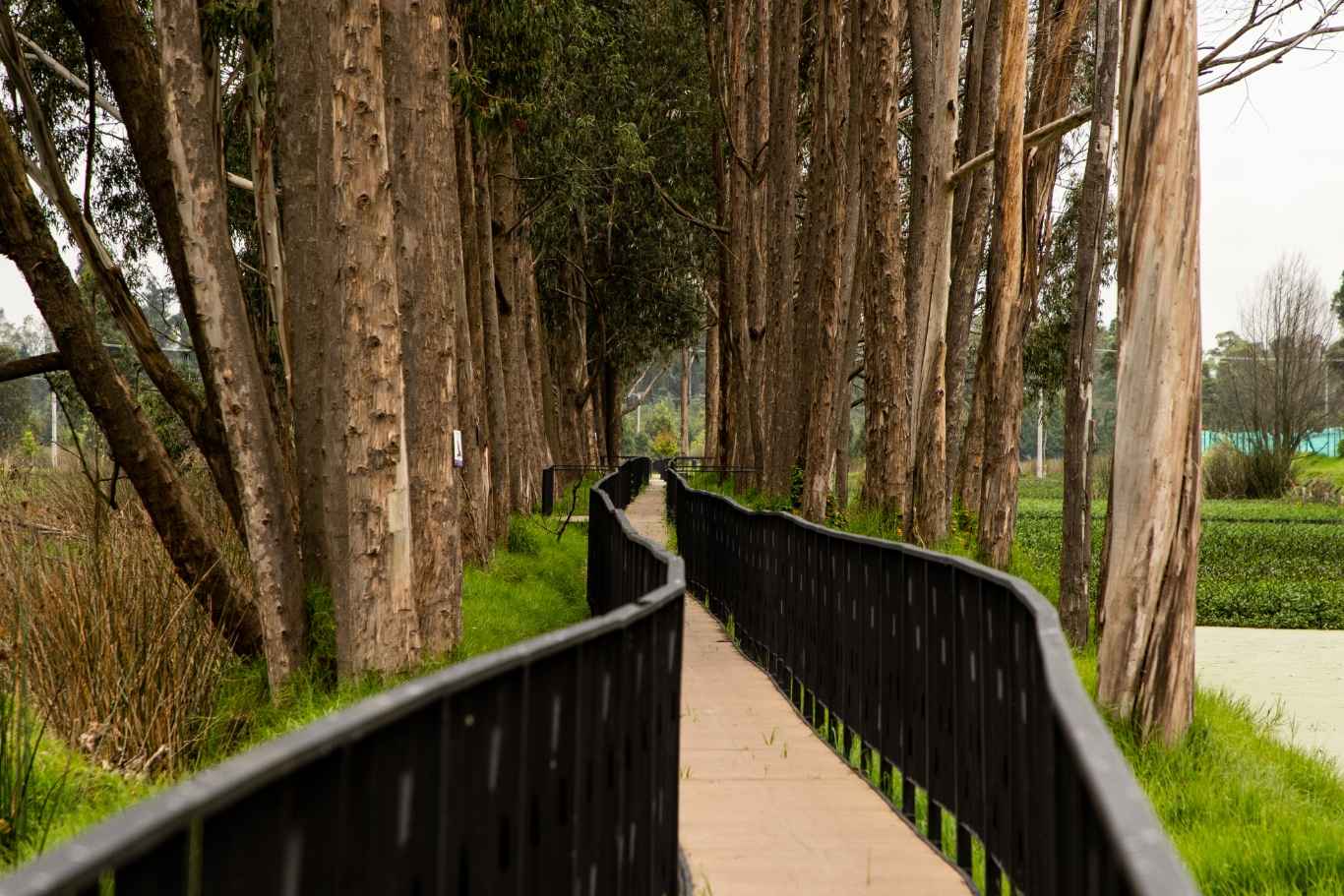
At Córdoba Wetland, the advice is simple: walk slowly.
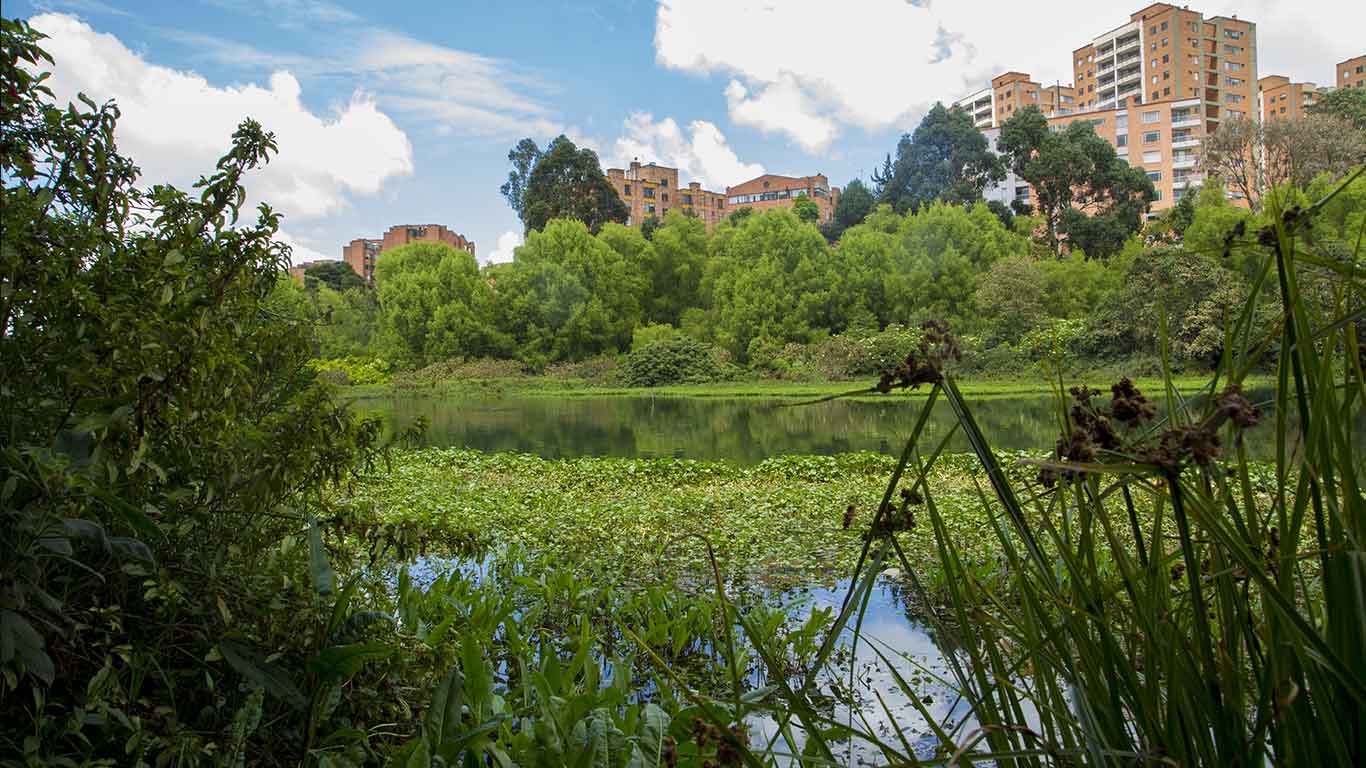
Its trails and authorized areas allow you to explore an ecosystem where water, vegetation, and birds completely transform the urban landscape.
It's really exciting for people who love photography and birdwatching. The best part of the experience, though, is not knowing what you'll see: stay quiet, look toward the reeds, and let the wetland set the pace.
Suggested time: about 2 hours on your own; organized walks may take longer.
After the tour: Continue exploring northern Bogotá and connect the experience with other activities in Suba, such as Mirador de los Nevados Park. It is a space with plazas and obelisks dedicated to conserving the Andean forest and Muisca heritage, and from there you can see some of the snow-capped peaks of the Cordillera Central.
- La Conejera: A More Immersive Experience
Suba | Ideal for: nature, photography, and interpretive trails
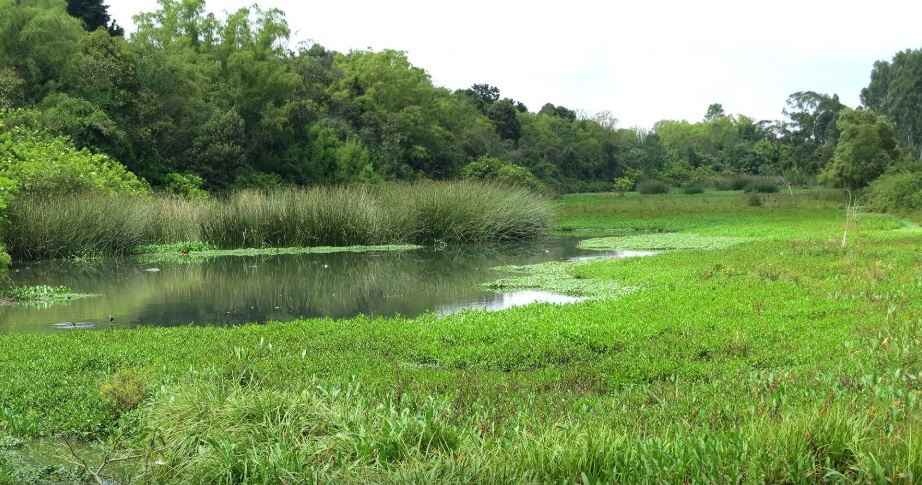
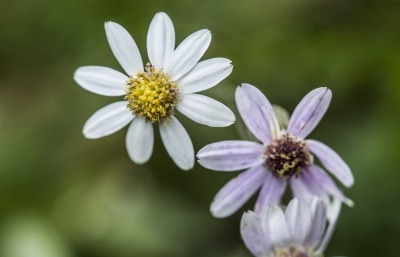
The city feels different as soon as you enter La Conejera. The reflecting pool is home to one of the city's richest collections of flora and fauna, including dozens of resident and migratory bird species, as well as the Margarita de pantano (Senecio carbonelli), a plant whose only surviving specimens are found here.
Suggested time: 2 to 3 hours.
For visitors: Check in advance to see available activities and trails. Biking and picnicking are not permitted within the wetland..
After the tour: Continue on to Usaquén and change the trails and birds for cuisine, coffee shops, shopping, and streets perfect for strolling.
- Jaboque: With Guided Support, Another Gateway to Bogotá's Biodiversity.
Engativá | Recommended for: institutional tours and biodiversity observation
Jaboque, meaning "land of abundance" in the Muisca language, was a sacred and ceremonial site for the Muisca people, featuring archaeological remains and monoliths. Today, it is Bogotá's second-largest wetland, covering 148 hectares (approximately 1.48 square kilometers, km²).
Suggested time: 2 hours.
Recommendation: Check the schedule before heading out, and enter only through designated entrances and in designated areas.
- Juan Amarillo: Explore It Through Planned Experiences
Suba and Engativá | Recommended for: environmental education and guided activities
Juan Amarillo, known since ancient times as Tibabuyes—which in the Muisca language means "land of farmers"—illustrates a fundamental truth: water also connects different areas within Bogotá.
It is Bogotá's largest wetland, covering more than 222 hectares, and represents a key remnant of the great lake that once covered the Bogotá Savanna.
Its proximity to the Suba hills helps species move between these ecosystems, making it one of the city's protected areas with the greatest biodiversity.
Suggested time: 2 hours.
After the tour The nature tourism experience can continue in other green spaces in Bogotá. A great option is to visit La Florida Park, which is ideal for hiking, enjoying the scenery, and participating in outdoor activities. To conclude the tour, the Eastern Hills offer nature trails and panoramic views, allowing you to connect with nature and see the city from a different perspective.
The best way to explore them: with someone who can explain what you're seeing
A wetland isn't a typical park. That's why, for a first-time visitor to Bogotá, a guided nature walk can completely transform the experience: you don't just see water and birds; you understand which species you're observing, how the ecosystem works, and why these places are important to the city.
The District Secretariat of Environment offers free ecological walks across various reserves and natural areas in Bogotá. The schedule changes throughout the year and requires advance registration at this link: https://ambientebogota.gov.co/es/caminatas-ecologicas
And remember, the wetlands tell a story of Bogotá that isn't always visible at first glance. It's a city where migratory birds stop to rest, where water flows between neighborhoods and avenues, and where it's still possible to change the sound of traffic for the rustling of reeds.
Start with a guided tour, walk slowly, and look closely. Discover more nature experiences and plan your itinerary at Visit Bogotá.co.