Olaya Herrera National Park
📍 Carrera 7 # 37-04.
Olaya Herrera National Park dates back to 1934, when it was inaugurated by the then-President of Colombia, Enrique Olaya Herrera.
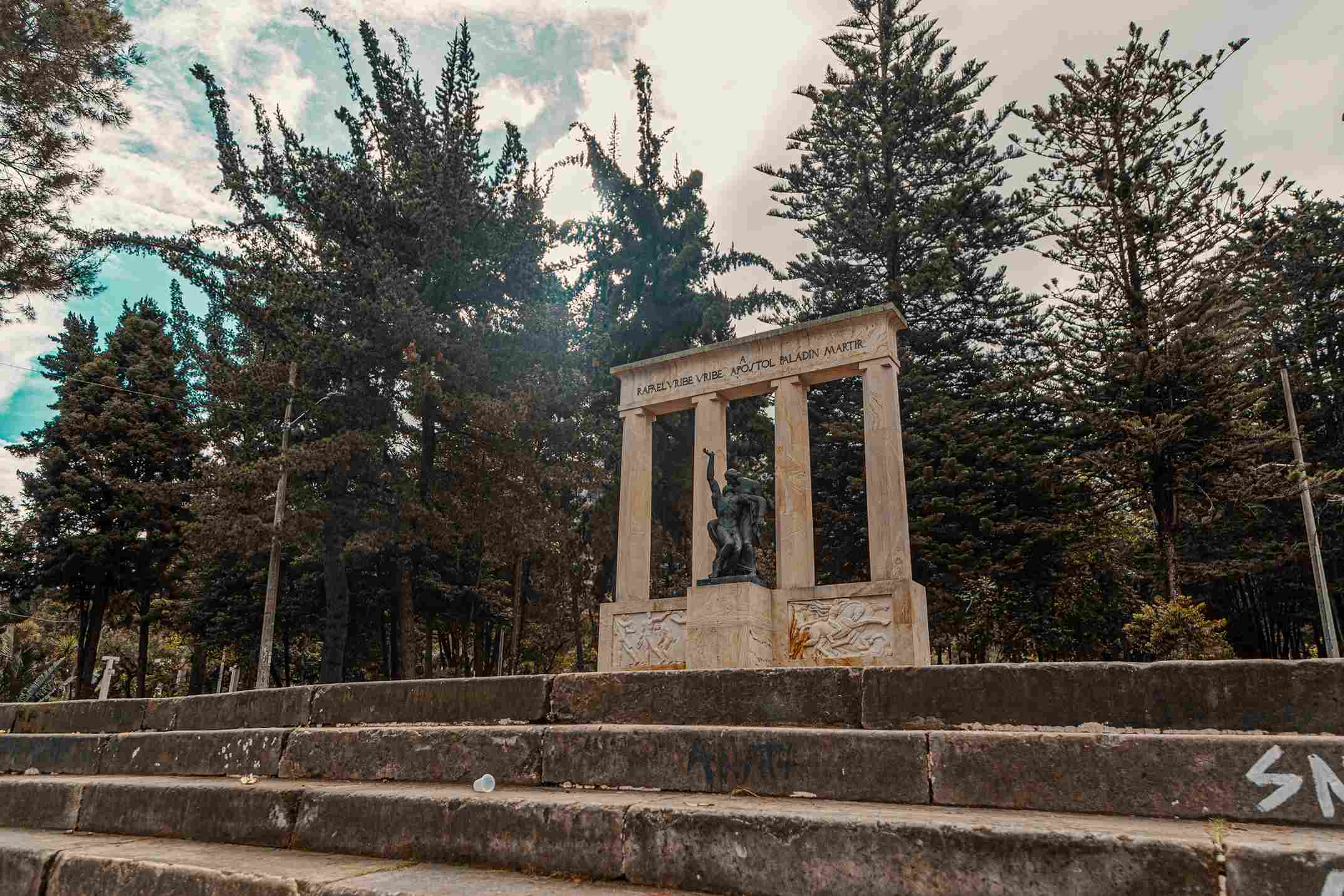
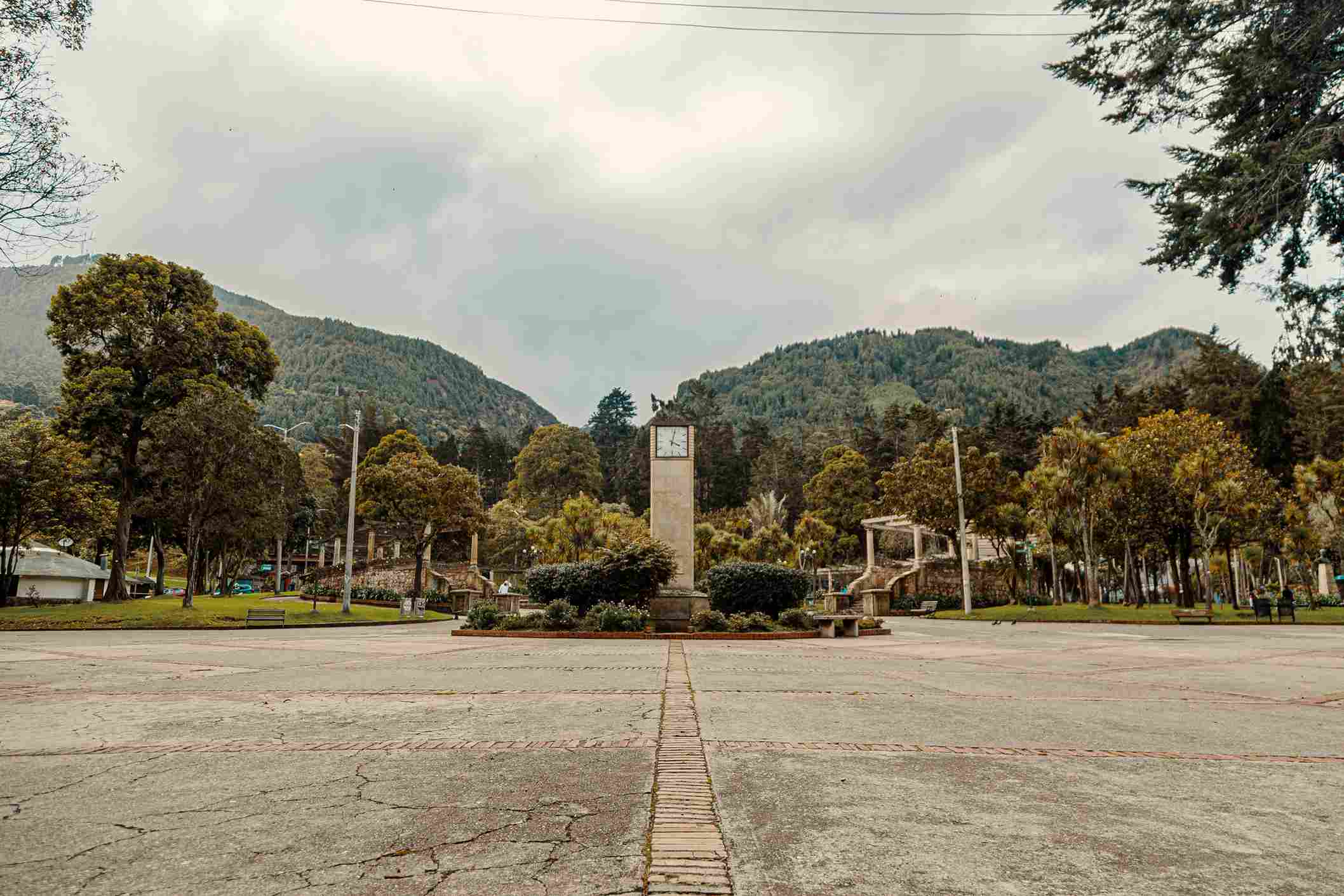
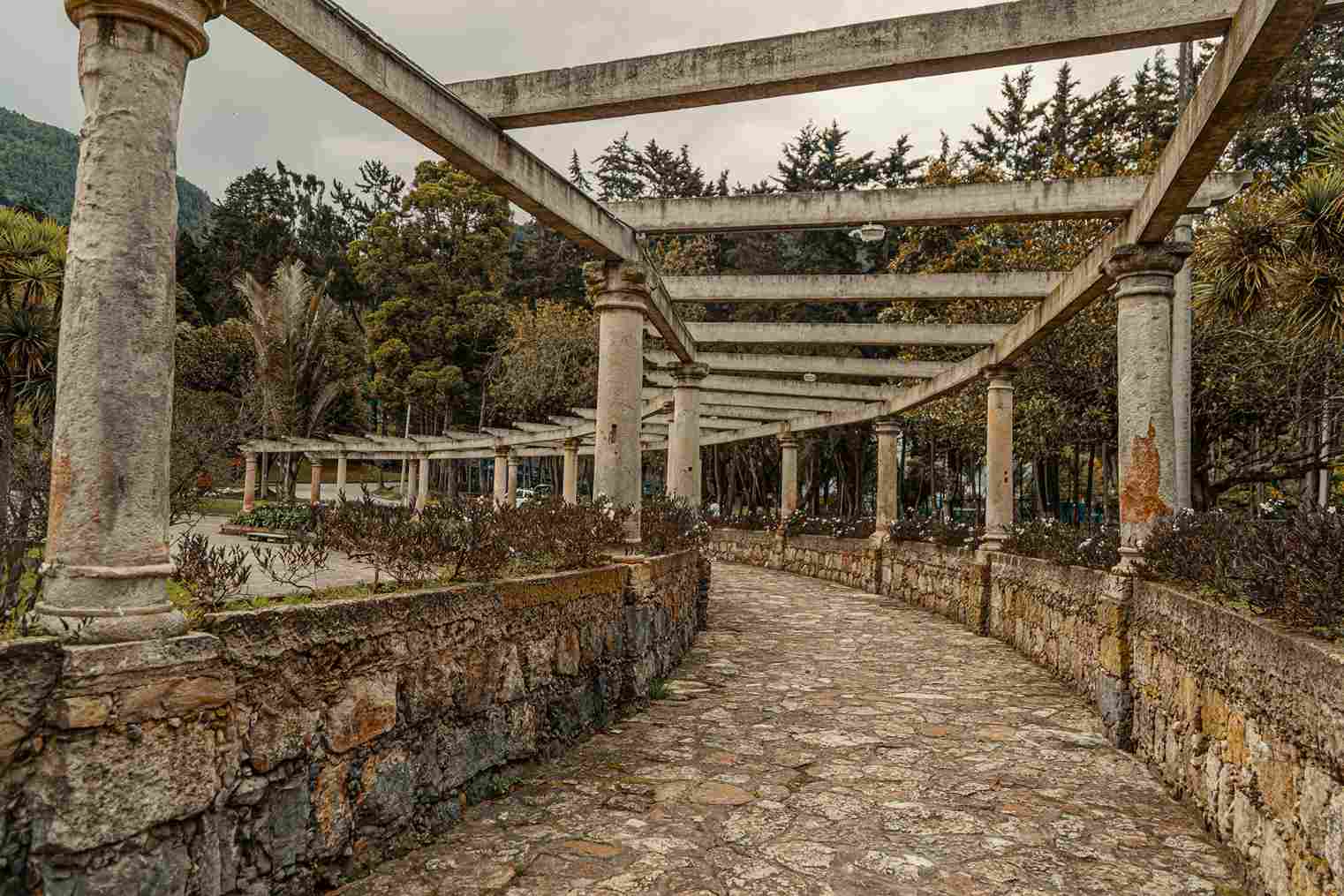
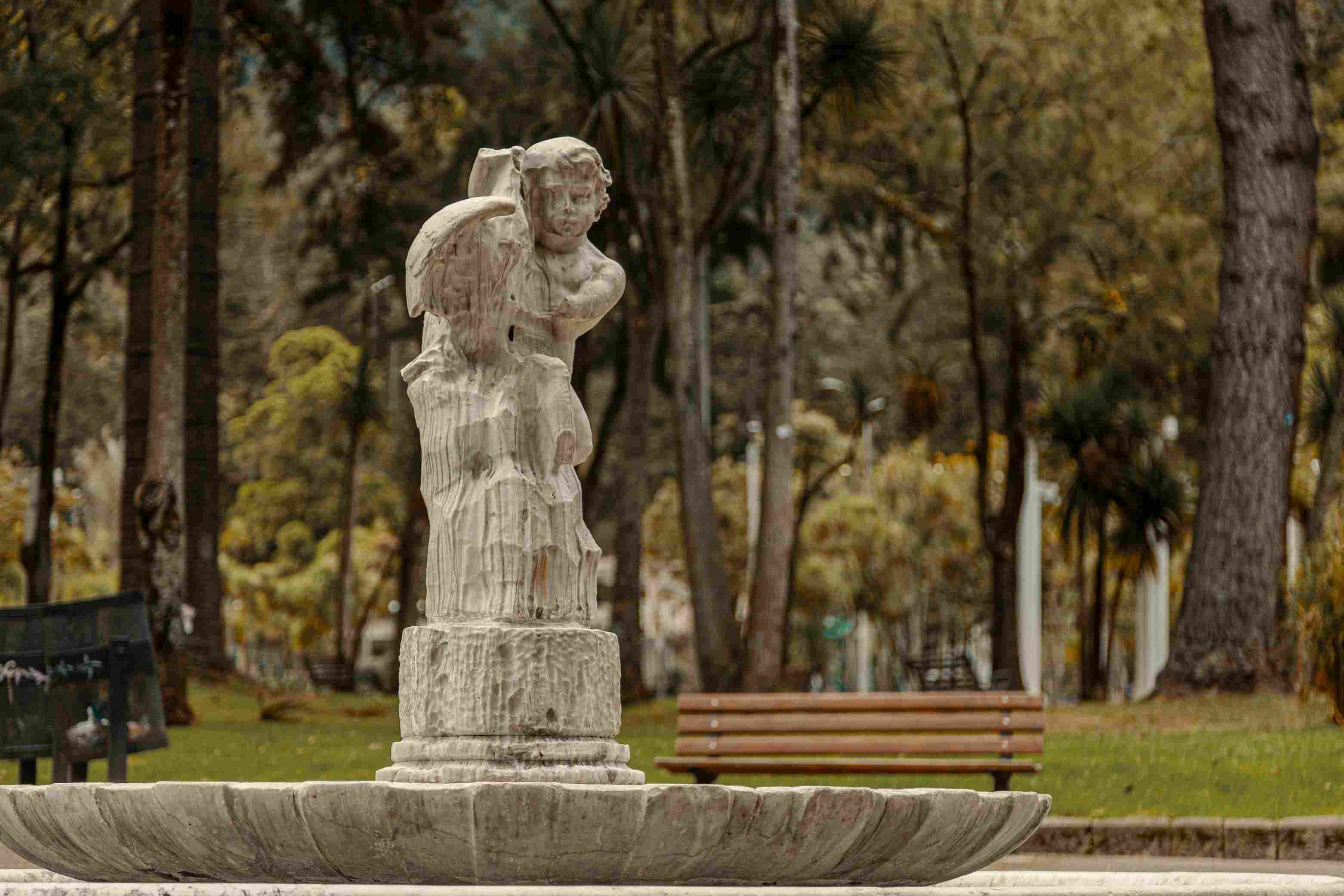
Located in the heart of the city, it boasts extensive gardens planted with flowers and imposing trees, crowned by a roundabout framed by vine-covered pathways. One of its iconic landmarks is the sculpture of the liberal leader Rafael Uribe Uribe, exquisitely crafted by the Italian sculptor Vittorio Macho in 1940, and accompanied by a century-old stone fountain restored by the city administration at the end of the previous century.
In 1973, the monument "To Silence" by the late master Eduardo Ramírez Villamizar was installed. Ramírez Villamizar donated several of his works to the city, which are located in various parks throughout Bogotá, giving Olaya Herrera National Park the feel of an open-air museum. The park also features emblematic monuments such as the Swiss Clock Tower and the sculpture ""Rita 5:30 pm"" by Enrique Grau. Other heritage elements can also be found here, such as the Santo Domingo Fountain, the El Parque Theater, and the Physical Map of Santa Fe de Bogotá: an old map dating from the 1940s or 50s.
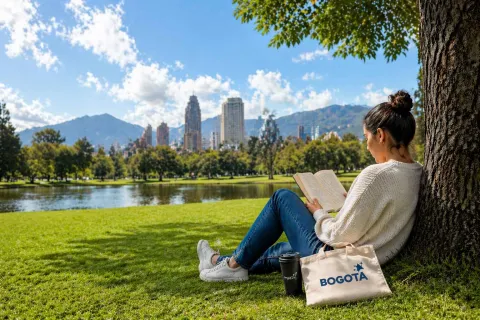
It is a place of recreation and leisure for Bogota residents and visitors, with green areas, playgrounds, and areas for walking and exercising. It covers more than 283 hectares in the eastern hills. In the past, it had playground equipment and a mini-zoo built inside, which operated until 1985, when some of the equipment was moved to other locations and the animals were transferred to the Santa Cruz reserve, in the Tequendama Falls area.
Its immense natural wealth includes thousands of native trees from the high Andean forest, extensive gardens, and a biodiversity that is home to birds and small mammals such as squirrels. There, you can admire trees such as the wax palm, amarrabollo, uchuva, and elderberry, and enjoy the sound of hummingbirds.
A defining element in the park's history has been its proximity to the Arzobispo canal or river, which originates in the El Verjón lagoon and flows along the northern edge of the park, serving as a natural boundary that underscores its environmental character and its role in passive recreation. Furthermore, the park's steep slopes, which rise along the eastern waterways of the city, convey the vitality and freshness of the nearby mountain, leading to Monserrate and Alto del Águila.
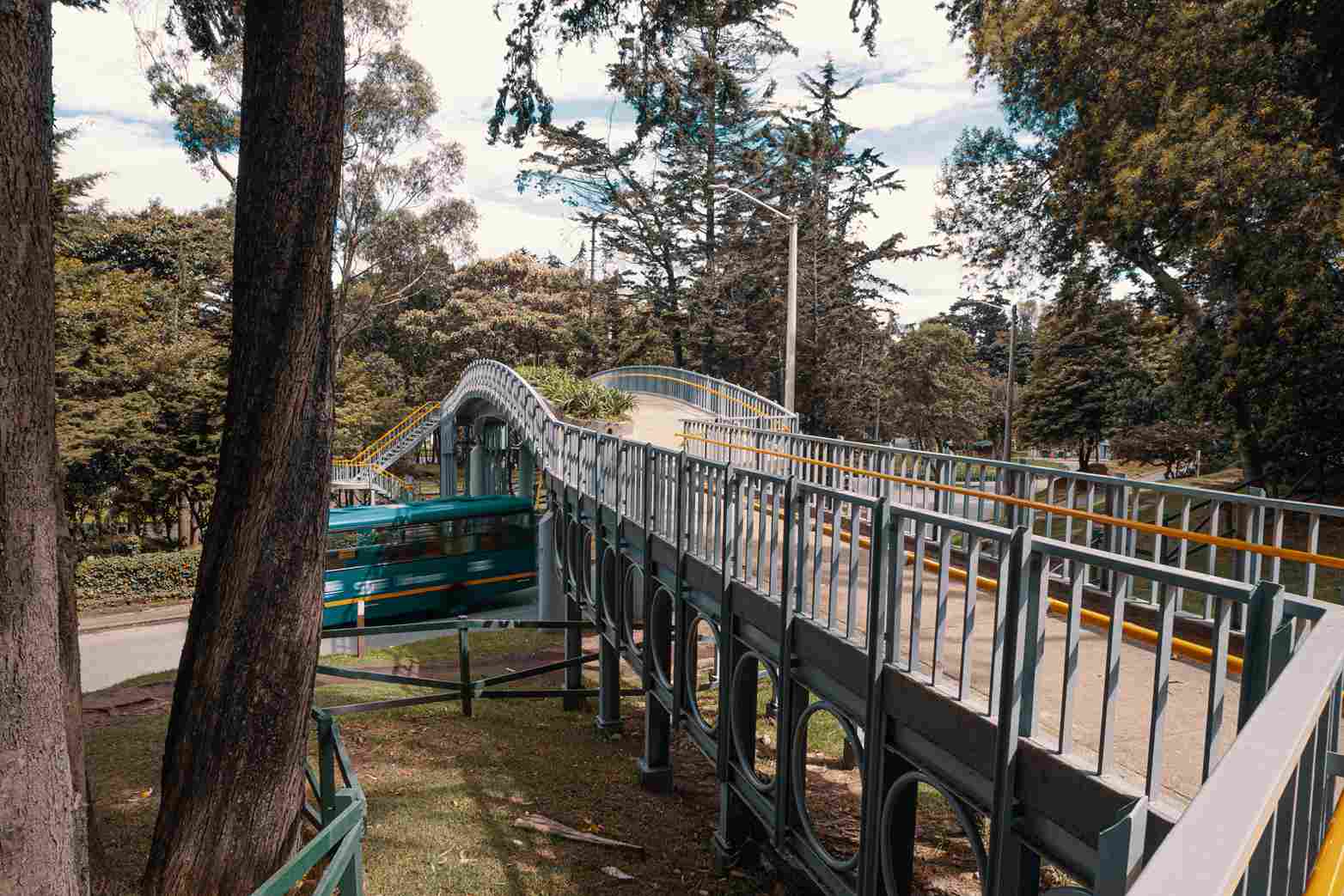
The park is also known for its architecture and landscaping, with features such as fountains, sculptures, and pergolas that beautify it and make it a very pleasant space. It has basketball, futsal, and tennis courts, as well as recreational and artistic skating rinks and a hockey rink.
You can explore the park by bike; it’s also a popular spot for mountain biking (MTB), with trails, natural downhill runs, and technical routes for riders of all skill levels. It’s also a frequent meeting point on the city’s network of bike paths.
Admission is free, and for safety reasons, it is recommended to adhere to the visiting hours.
You can get there by TransMilenio on Avenida Caracas and get off at the Calle 39 station. From there, walk seven blocks towards the eastern hills, until you reach Carrera Séptima. Alternatively, you can get off at the Museo Nacional station and walk about 15 minutes north along Carrera 7.